Discover the Enchanting Hidden Gems of Bhutan: A Wonders of the World Guide
Unveiling Bhutan’s Secret Treasures: A Journey into Its Hidden Wonders
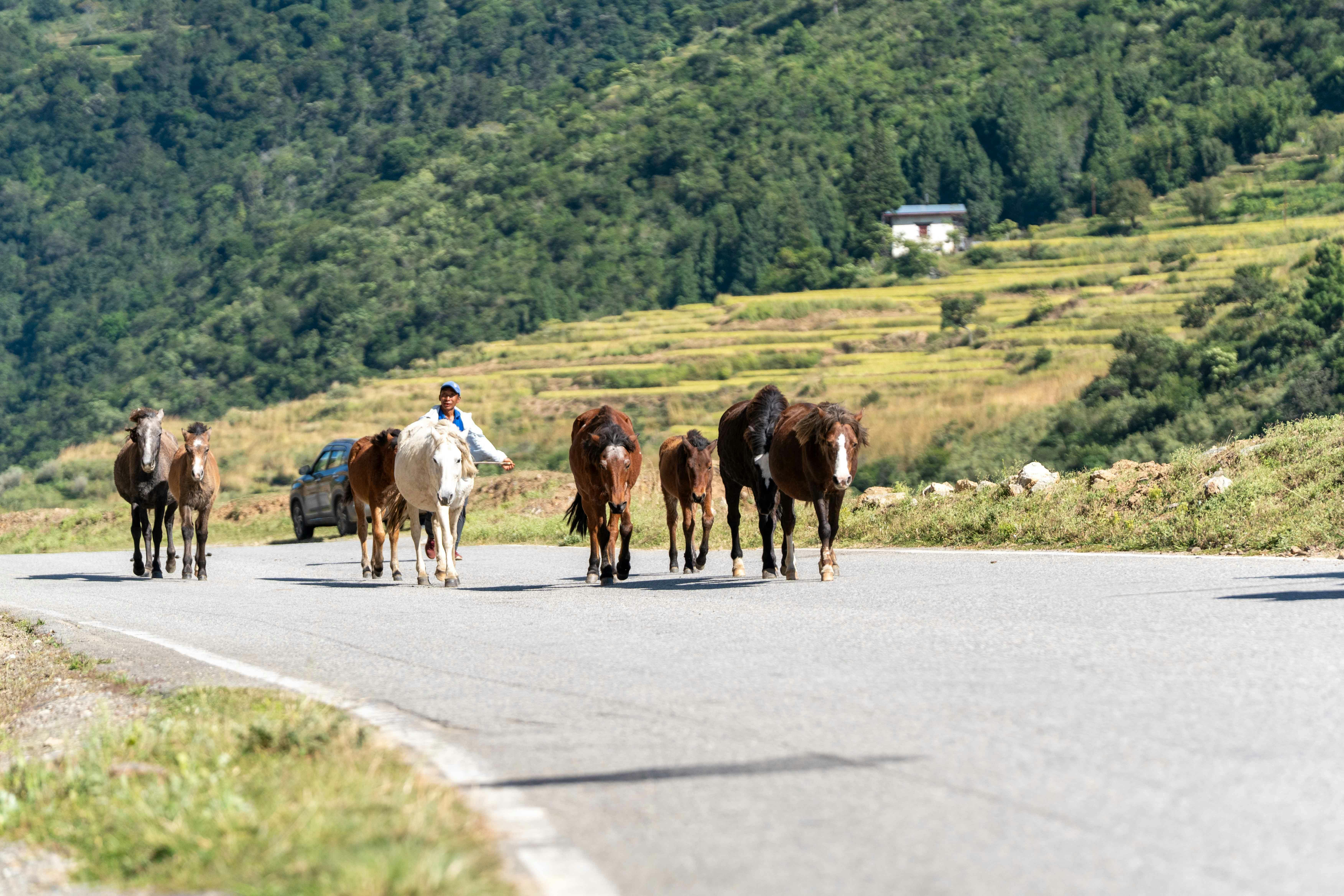
Nestled high in the eastern Himalayas, Bhutan remains one of the world’s most captivating and mysterious destinations. Often celebrated for its breathtaking landscapes, vibrant culture, and spiritual heritage, this land of the Thunder Dragon offers much more than meets the eye. While many travelers flock to its famed monasteries and scenic vistas, Bhutan’s true allure lies in its lesser-known, untouched treasures—hidden gems that reveal the country’s authentic soul. These secluded spots offer a rare glimpse into Bhutan’s unique blend of tradition and nature, far from crowded tourist routes.
In this guide, you will discover a side of Bhutan that few have explored. From tranquil villages tucked away in remote valleys to sacred sites surrounded by pristine wilderness, these hidden wonders promise an enriching experience for the curious traveler. Expect to learn about secret monasteries, untouched landscapes, and local traditions that make Bhutan an extraordinary destination for explorers seeking authentic, off-the-beaten-path adventures.
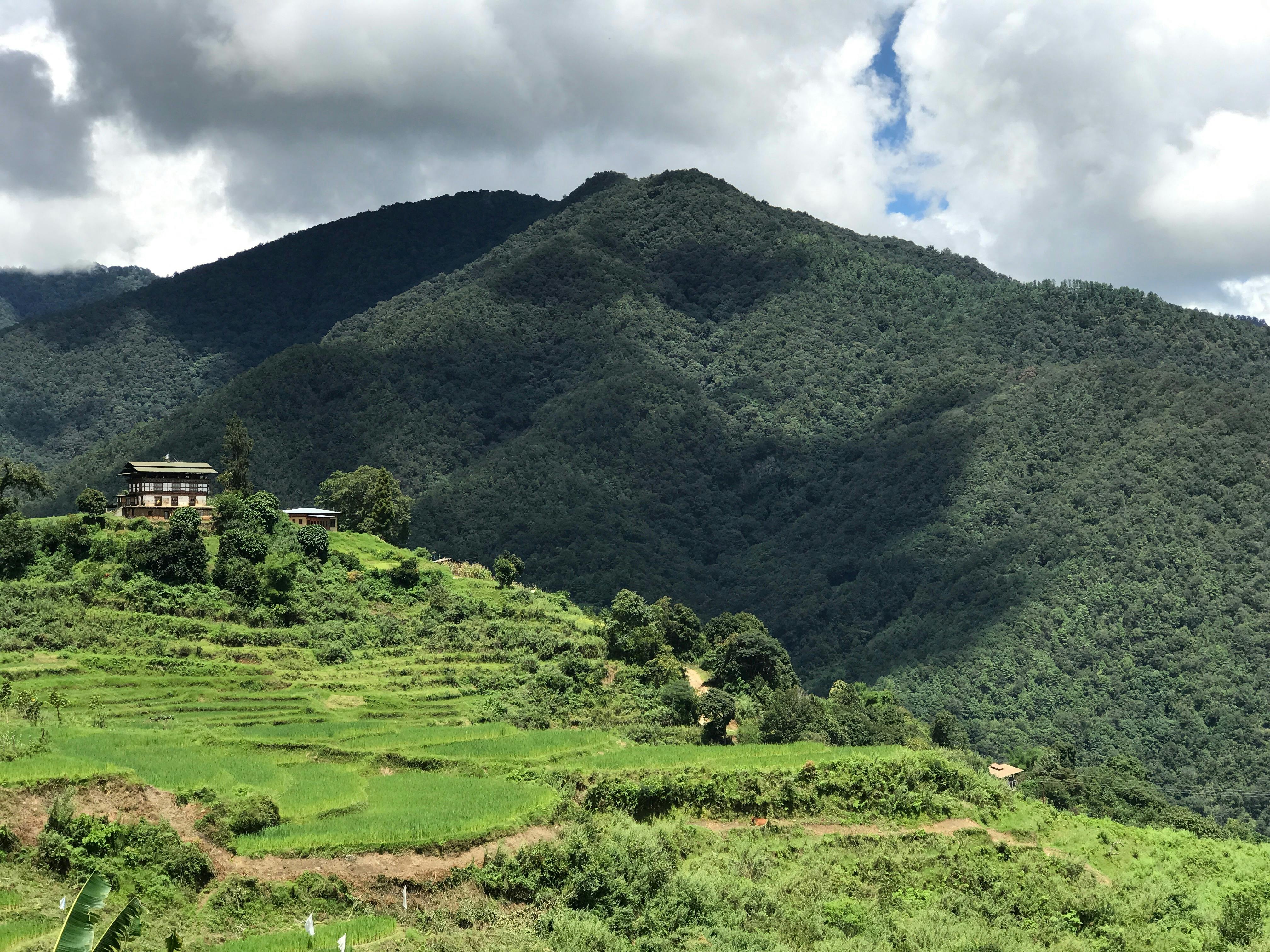
What can you anticipate in this article? We will delve into Bhutan’s lesser-known destinations, share tips for discovering these secluded spots, and highlight why they are essential for any traveler eager to uncover the country’s true essence. Prepare for an inspiring journey into Bhutan’s hidden treasures—where serenity, tradition, and untouched beauty converge.
Movies + shipping = Prime trial free!
Tiger’s Nest Monastery
Perched dramatically on the edge of a cliff 900 meters above the Paro Valley, the Tiger’s Nest Monastery, or Paro Taktsang, stands as one of Bhutan’s most iconic and awe-inspiring landmarks. This sacred site dates back to the 17th century and is deeply intertwined with Bhutanese spiritual history. The monastery’s striking location offers breathtaking panoramic views of the surrounding mountains and lush forests, making it a must-visit for travelers seeking both spiritual insight and natural beauty.
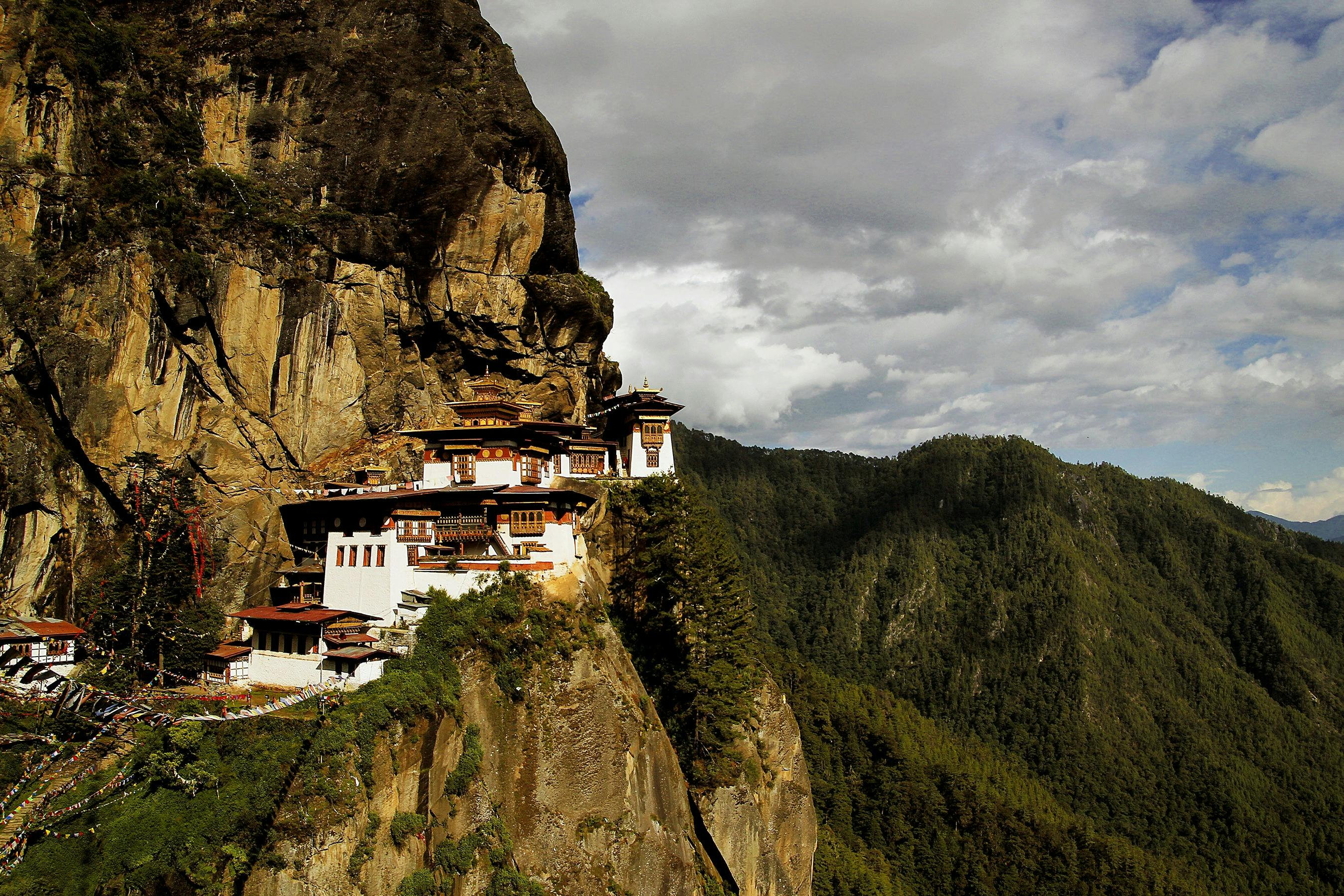
To reach the monastery, visitors embark on a challenging yet rewarding hike that typically takes about 2 to 3 hours, depending on fitness levels. The trail winds through pine forests, prayer flags fluttering in the breeze, and offers glimpses of monasteries and hermitages nestled along the cliffside. The journey itself is a spiritual experience, allowing travelers to reflect and prepare for the awe-inspiring sight awaiting at the summit. Once at the top, visitors are greeted by a complex of temples, prayer halls, and meditation rooms, all built into the cliff face with traditional Bhutanese architecture characterized by ornate woodwork and vibrant colors.
The main monastery complex includes several sacred sites, including the cave where Guru Padmasambhava (the Guru Rinpoche) is said to have meditated and achieved enlightenment. Pilgrims and visitors alike come here to pay homage, seek blessings, and experience the tranquility that emanates from this spiritual hub. Besides its religious significance, the monastery offers insight into Bhutanese monastic life and the country’s deep-rooted Buddhist traditions.
Practical information for visitors includes ensuring appropriate footwear, carrying water, and preparing for variable weather conditions. Guided tours are available, which enrich the experience with historical context and spiritual stories. Visiting Tiger’s Nest Monastery is more than just sightseeing; it’s an immersive journey into Bhutan’s soul, revealing the harmony between spirituality and nature that defines this hidden gem.
Paro Valley
Located in western Bhutan, the Paro Valley is a lush, fertile region renowned for its stunning landscapes, traditional villages, and historical sites. Surrounded by snow-capped mountains and dense forests, the valley offers a peaceful retreat from the hustle of modern life. It is also home to some of Bhutan’s most treasured cultural landmarks, making it a perfect starting point for exploring the country’s rich heritage.
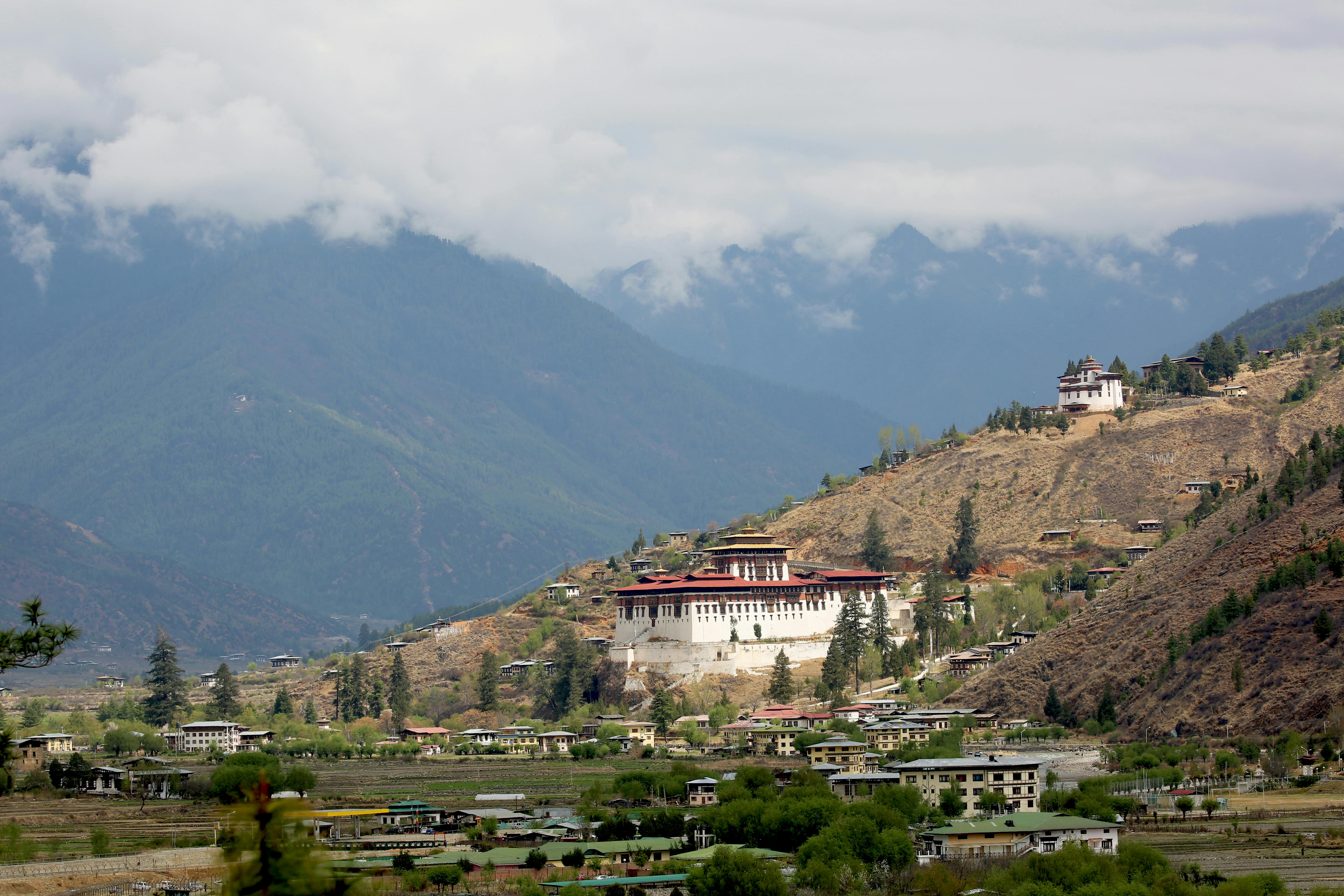
Paro Valley’s main attraction is the Paro River, which meanders through the fertile plains, supporting lush rice paddies and vibrant orchards. Visitors can enjoy scenic walks along the riverbanks, taking in the tranquil beauty of rural Bhutan. The valley’s traditional villages showcase Bhutanese architecture, with intricately carved wooden houses and prayer flags fluttering in the mountain breeze. The area is also a hub for cultural festivals, where colorful masked dances and religious ceremonies take place, offering visitors a glimpse into Bhutan’s vibrant spiritual traditions.
Among the highlights of the valley is the Paro Dzong, a majestic fortress that dominates the landscape and serves as a religious and administrative center. The valley is also the gateway to the Tiger’s Nest Monastery, making it an essential stop for travelers. For outdoor enthusiasts, Paro offers hiking, bird-watching, and opportunities to experience Bhutan’s pristine natural environment firsthand.
Practical tips for visitors include exploring local markets, sampling traditional Bhutanese cuisine, and engaging with friendly villagers. The best time to visit is during spring and autumn when the weather is mild, and the landscape is at its most vibrant. Paro Valley’s blend of natural beauty, cultural richness, and spiritual depth makes it a hidden gem worth discovering for those seeking an authentic Bhutanese experience.
Punakha Dzong
Situated at the confluence of the Pho Chhu and Mo Chhu rivers, Punakha Dzong is one of Bhutan’s most historically significant and architecturally stunning fortress-monasteries. Built in the 17th century, this dzong served as the winter residence of the central monastic body and was the seat of Bhutan’s government until the capital was moved to Thimphu. Its strategic location and impressive design make it a captivating site for history buffs and cultural enthusiasts alike.
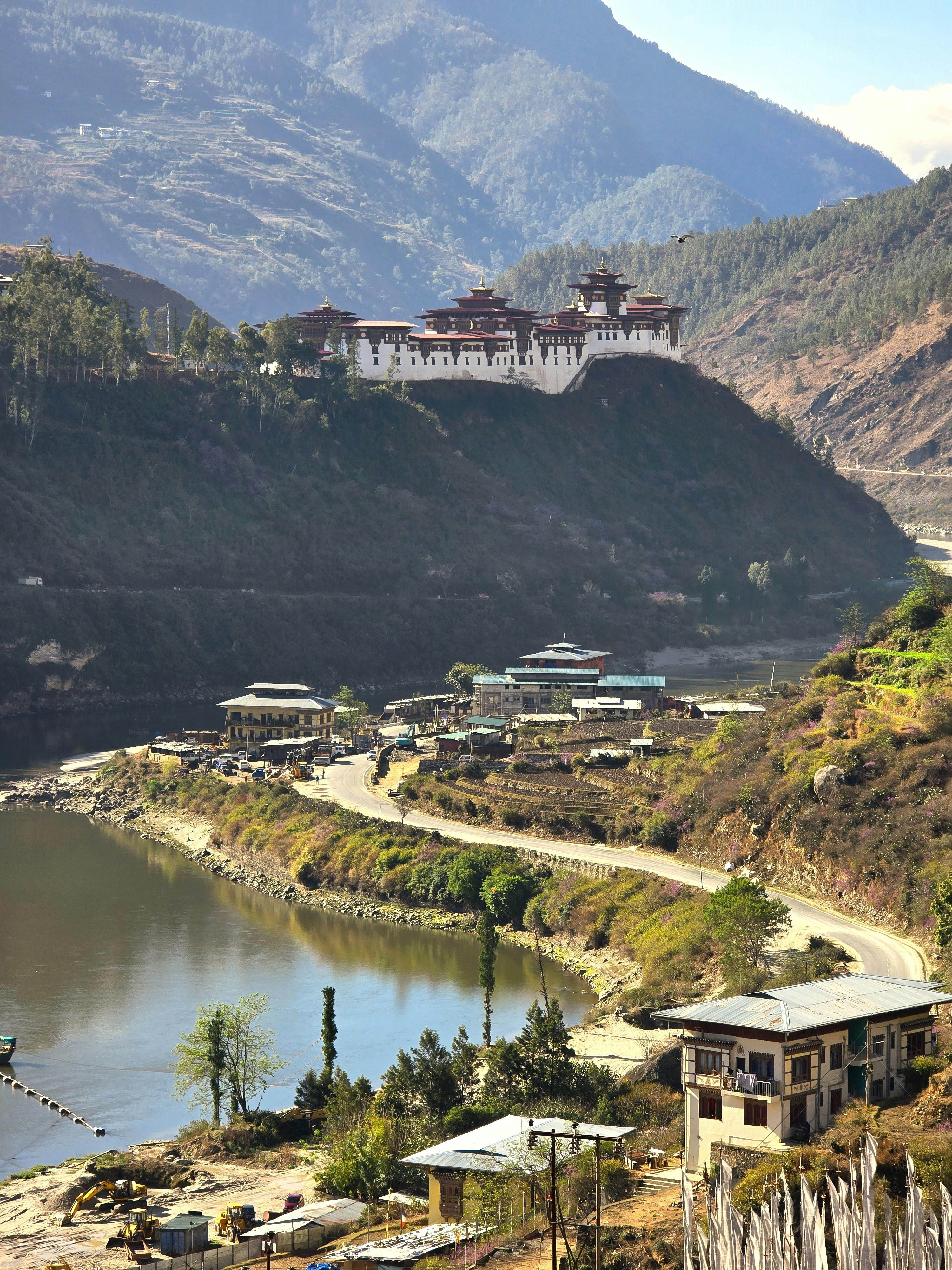
The dzong’s architecture is a masterpiece of Bhutanese craftsmanship, featuring massive whitewashed walls, intricate wood carvings, and vibrant painted facades. Visitors are often struck by the peaceful atmosphere that pervades the complex, which is especially enchanting during the annual Punakha Tshechu festival, when monks and locals gather for colorful masked dances and religious rituals. The dzong’s location at the river junction offers stunning views and photo opportunities, especially during sunrise and sunset.
Inside, the dzong houses sacred relics, ancient murals, and the main assembly hall where monks gather for prayer. The surrounding grounds include courtyards, temples, and a small monastery, providing insight into Bhutan’s monastic traditions. The bridge over the river leading to the dzong adds to its picturesque setting, making it an excellent spot for leisurely walks and photography.
Practical tips for visitors include arriving early to avoid crowds and wearing modest clothing out of respect for the religious site. Guided tours are recommended to fully appreciate the history and symbolism embedded in the architecture. Visiting Punakha Dzong offers a unique glimpse into Bhutan’s regal and spiritual heritage, making it a hidden gem that captures the essence of Bhutanese culture and history.
Best Time to Visit Bhutan
Understanding the Climate and Seasons
Bhutan’s diverse topography creates a range of climatic conditions throughout the year. Generally, the country experiences four main seasons: spring, summer, autumn, and winter. Each offers a unique experience, especially for travelers seeking to uncover Bhutan’s hidden gems.
Peak Tourist Seasons
The most popular times to visit Bhutan are during spring (March to May) and autumn (September to November). During these months, the weather is most favorable, with clear skies and mild temperatures, making it ideal for trekking, sightseeing, and exploring remote villages. These seasons also coincide with vibrant festivals such as Paro Tshechu and Thimphu Tshechu, offering a cultural feast for visitors.
However, because of their popularity, these months tend to be more crowded, and prices for accommodations and tours may be higher.
Off-Peak Benefits
Visiting during the winter months (December to February) or the monsoon season (June to August) offers unique advantages. Winter can be a quiet time to explore the snow-capped Himalayas and discover Bhutan’s hidden mountain monasteries without the crowds. Conversely, the monsoon season, though rainy, transforms the landscape into lush greenery, revealing the country’s secret waterfalls and vibrant flora. Travelers who enjoy solitude and a more authentic experience often prefer these off-peak times.
Nonetheless, be prepared for potential travel disruptions during heavy rains or snow, and some high-altitude trekking routes may be closed.
Summary Table: Pros and Cons of Visiting Bhutan
| Season | Pros | Cons |
|---|---|---|
| Spring (March-May) |
|
|
| Autumn (September-November) |
|
|
| Winter (December-February) |
|
|
| Monsoon (June-August) |
|
|
Final Tips for Planning
To uncover Bhutan’s hidden gems, consider visiting during shoulder seasons—late spring or early autumn—when the weather is good, and crowds are fewer. For those seeking tranquility and a chance to explore lesser-known areas, winter or monsoon seasons can offer a truly authentic and peaceful experience. Ultimately, your choice depends on what aspects of Bhutan’s secret corners you wish to explore, and how you prefer to experience its natural beauty and culture.
Getting to Bhutan: Your Gateway to the Hidden Himalayan Gem
Bhutan, often called the “Land of the Thunder Dragon,” is a captivating destination nestled in the eastern Himalayas. Known for its stunning landscapes, vibrant culture, and serene monasteries, reaching Bhutan can be an adventure in itself. While its remote location adds to its charm, travelers can choose from various transportation options to access this mystical kingdom. Planning your journey thoughtfully ensures an unforgettable experience as you uncover Bhutan’s hidden gems.
Transportation Options to Reach Bhutan
Flights
The most common and convenient way to reach Bhutan is by air. Paro International Airport (PBH) is the only international airport in the country, serving as the main gateway for travelers. Several airlines, including Druk Air and Bhutan Airlines, operate flights from major hubs such as Bangkok, Delhi, Kathmandu, and Kolkata. Due to limited flight routes, it’s advisable to book tickets well in advance, especially during peak travel seasons. The scenic approach to Paro offers breathtaking views of the Himalayas, making the flight itself a memorable part of your journey.
Trains
Currently, Bhutan does not have a railway system, which adds an element of adventure for those seeking alternative routes. However, travelers can combine train journeys to neighboring countries like India or Nepal with subsequent land travel into Bhutan. For example, taking a train to Kolkata or New Delhi and then continuing by bus or car can be a scenic and culturally enriching experience. This option is ideal for travelers wanting to explore the region more extensively.
Buses and Overland Travel
From India, buses operate regularly from cities such as Kolkata, Siliguri, and Guwahati to the border towns of Phuentsholing and Samdrup Jongkhar. These buses are affordable and provide an authentic way to experience local life. Once across the border, you can take local taxis or buses into Bhutan’s interior. For those seeking flexibility, private taxis are also available, offering a more comfortable and direct route into the country.
Car Rentals and Self-Drive
While self-driving is possible once inside Bhutan, it is generally recommended only for experienced drivers familiar with mountain roads. Renting a car can be arranged at the border or in major towns like Thimphu or Paro. Keep in mind that driving in Bhutan requires a valid international driving permit, and road conditions can vary significantly. For those eager to explore Bhutan’s lesser-known trails and hidden valleys, a car rental provides the flexibility to venture off the beaten path.
Travel Tips and Important Information
- Visa Requirements: Most visitors need a visa, which is typically arranged through a licensed Bhutanese tour operator or hotel. Ensure your travel documents are in order before departure.
- Best Time to Visit: Spring (March to May) and autumn (September to November) offer optimal weather and clear views of the Himalayas.
- Altitude Awareness: Bhutan’s high elevations mean travelers should acclimate gradually and stay hydrated.
- Hidden Gems: Consider exploring less-visited regions like the Haa Valley or the remote Phobjikha Valley, accessible via scenic drives and offering authentic cultural encounters.
Traveling to Bhutan is more than just reaching a destination; it’s about immersing yourself in a land where every journey reveals a new hidden gem waiting to be discovered. Proper planning and an adventurous spirit will ensure your trip to this Himalayan sanctuary is truly unforgettable.
Rent a Bicycle
Best Places to Stay in Bhutan: Hidden Gems for Every Budget
Bhutan, known for its stunning landscapes and rich cultural heritage, offers a variety of accommodations that cater to different travelers’ tastes and budgets. Whether you seek luxury, comfort, or budget-friendly options, this Himalayan kingdom has hidden gems waiting to be discovered. Here, we highlight some of the best places to stay, each offering a unique experience that complements Bhutan’s serene and spiritual ambiance.
Luxury Stays: Indulge in Royal Comfort
For travelers seeking a luxurious retreat, Bhutan’s high-end accommodations blend regal comfort with authentic cultural touches. One standout is Amankora Paro. Nestled in a peaceful valley, this collection of five boutique lodges offers personalized service, stunning mountain views, and traditional Bhutanese architecture. Staying here feels like stepping into a royal residence, with each lodge designed to harmonize with its natural surroundings. The spa treatments, organic cuisine, and exclusive excursions make it a true hidden gem for discerning travelers.
Another exceptional option is Le Meridien Thimphu. Located in the heart of Bhutan’s capital, it combines modern luxury with cultural elegance. The hotel’s rooftop lounge offers panoramic views of the city and mountains, perfect for unwinding after exploring Bhutan’s vibrant capital. The attention to detail and personalized service make it a favorite among luxury seekers who want comfort with a touch of Bhutanese charm.
Mid-Range Options: Comfort with Authentic Charm
If you prefer a balance of comfort and cultural immersion, the Hotel Olathang in Paro is a fantastic choice. This charming hotel, built in traditional Bhutanese style, is set amidst lush gardens and offers cozy rooms with authentic decor. Its location provides easy access to iconic sites like Tiger’s Nest Monastery, making it a practical and scenic base for exploration.
Another noteworthy mid-range option is Dewa Chenmo Hotel in Thimphu. It offers modern amenities within a traditional setting, featuring warm decor, friendly staff, and a central location. Guests appreciate its peaceful atmosphere and convenient access to local markets and cultural sites.
Budget Stays: Authentic Experiences Without Breaking the Bank
Travelers seeking affordable options will find charming guesthouses and hostels that offer genuine Bhutanese hospitality. The Dungtse Guesthouse in Thimphu is a hidden gem. It provides comfortable rooms, home-cooked meals, and a warm atmosphere, all at an accessible price. Its friendly hosts often share stories about Bhutan’s traditions, enriching your cultural experience.
In Paro, Janka Guesthouse offers budget-friendly accommodations with traditional decor and stunning views of the surrounding mountains. Staying here allows travelers to immerse themselves in local life while enjoying clean, cozy rooms and helpful staff.
In summary, Bhutan’s accommodations range from luxurious retreats to humble guesthouses, each offering a unique way to experience the kingdom’s hidden charms. Choosing the right place to stay enhances your journey, revealing the true spirit of Bhutan’s tranquil and welcoming environment.
Essential Travel Products for Exploring the Hidden Gems of Bhutan
Visiting Bhutan offers a unique journey into a land rich with spirituality, stunning landscapes, and lesser-known treasures. To fully immerse yourself in this enchanting destination, having the right travel gear can make all the difference. Here are two top travel-related products specifically useful for discovering Bhutan’s hidden gems.
1. Portable Solar Charger – SunPower Mobile Solar Panel
As you venture off the beaten path into Bhutan’s remote villages, temples, and mountain trails, reliable power sources become essential. The SunPower Mobile Solar Panel is a compact, lightweight device designed to keep your electronic devices charged in areas with limited access to electricity. Its high-efficiency solar cells convert sunlight into power swiftly, ensuring you can capture photos of secluded monasteries or navigate unmarked trails without worry.
This charger features a durable, weather-resistant design, making it suitable for Bhutan’s unpredictable mountain weather. It also includes multiple USB ports, allowing you to charge smartphones, GPS devices, and small cameras simultaneously. Its foldable design makes it easy to carry in a backpack, perfect for travelers exploring Bhutan’s lesser-known corners. You can purchase it through online retailers like Amazon or specialty outdoor gear stores.
2. Multi-Layer Travel Backpack – Osprey Farpoint 40
For those seeking to uncover Bhutan’s hidden gems, a versatile and comfortable backpack is indispensable. The Osprey Farpoint 40 is a multi-layer travel backpack that combines functionality with comfort. Its spacious main compartment allows you to pack essentials, while multiple smaller pockets provide easy access to travel documents, maps, and snacks.
This backpack’s ergonomic design, padded shoulder straps, and adjustable harness system ensure comfort during long hikes or city explorations. Its durable, lightweight materials withstand rugged terrains, making it ideal for trekking through Bhutan’s less-traveled paths. Additionally, its lockable zippers enhance security in remote areas. You can find this backpack at outdoor gear stores or online retailers like REI and Backcountry.
Browse popular travel essentials on Amazon
Discovering Bhutan’s Hidden Gems with the Right Guidebooks
While travel products enhance your journey, the right guidebooks offer invaluable insights into Bhutan’s lesser-known treasures. For travelers eager to explore the “hidden gems” beyond popular sites, the Wonders of the World Guide to Hidden Gems Bhutan series provides detailed, engaging narratives and practical tips. Specifically, three books available on Kindle Unlimited and Audible stand out for their comprehensive coverage and unique perspectives.
1. Wonders of the World Guide to Hidden Gems Bhutan – Kindle Edition
This guidebook offers an in-depth exploration of Bhutan’s secret locations, including remote monasteries, secluded mountain trails, and untouched villages. It provides detailed itineraries, cultural insights, and practical advice on navigating lesser-known routes. Perfect for adventurous travelers eager to step off the typical tourist trail, this book helps you uncover Bhutan’s authentic, untouched beauty.
2. Discovering Bhutan’s Hidden Treasures – Audible
Available on Audible, this audiobook narrates stories behind Bhutan’s lesser-explored sites, blending history, folklore, and travel tips. Its engaging storytelling style inspires travelers to venture into remote areas, highlighting local traditions and the spiritual significance of hidden locations. It’s an excellent companion for long journeys or quiet moments of reflection during your trip.
3. Bhutan Off the Beaten Path – Kindle Unlimited
This book emphasizes authentic experiences away from crowded tourist spots. It features practical advice on visiting remote monasteries, participating in local festivals, and discovering natural wonders. Its detailed maps and insider tips make it a valuable resource for travelers seeking a deeper connection with Bhutan’s lesser-known culture and landscapes.
By combining these thoughtfully curated guidebooks with specialized travel gear, visitors can truly unlock Bhutan’s secret corners. Embracing the spirit of discovery, these resources empower travelers to experience the authentic, untouched beauty that makes Bhutan a true hidden gem among the world’s travel destinations.
Subscribe to Audible for free and access thousands of travel audiobooks!
Frequently Asked Questions about Wonders of the World Guide to Hidden Gems Bhutan
What makes Bhutan a unique destination for travelers seeking hidden gems?
Bhutan offers an extraordinary blend of untouched natural beauty, vibrant cultural traditions, and authentic spiritual experiences. Unlike popular tourist spots, its lesser-known sites remain pristine and less crowded, allowing visitors to connect deeply with local life. From secluded monasteries perched on cliffs to remote villages nestled in lush valleys, Bhutan’s hidden gems showcase the country’s rich heritage and natural splendor. Additionally, the emphasis on Gross National Happiness over commercial tourism ensures a tranquil, meaningful travel experience. Exploring these off-the-beaten-path locations provides a rare opportunity to discover Bhutan’s true essence beyond typical tourist routes.
What are some must-visit hidden gems in Bhutan?
Some of the most captivating lesser-known sites include:
- Phobjikha Valley: A serene glacial valley famous for its black-necked cranes and traditional farming villages.
- Lhuentse Dzong: An ancient fortress offering breathtaking views and insight into Bhutanese history.
- Chimi Lhakhang: Also called the “Fertility Temple,” this small monastery is rich in folklore and offers a unique spiritual experience.
- Haa Valley: A picturesque region with pristine landscapes, local festivals, and traditional architecture.
- Trashigang District: Known for its vibrant festivals and authentic rural lifestyle, far from tourist crowds.
Visiting these sites allows travelers to experience Bhutan’s diverse landscapes and cultural depth in a more intimate setting.
Is travel to these hidden gems difficult or expensive?
While Bhutan maintains sustainable tourism policies to preserve its culture and environment, visiting these hidden gems can be affordable with proper planning. Access to remote areas may involve longer drives or hikes, but local guides and transportation options are available. Costs vary depending on the region and services chosen; however, budget travelers can find options that suit their needs. It’s essential to work with a reputable tour operator who can arrange permits, transportation, and accommodations, ensuring a smooth journey. Remember, the investment in exploring lesser-known sites often results in a richer, more authentic experience that’s worth every penny.
What is the best time of year to explore Bhutan’s hidden gems?
The ideal time depends on your interests, but generally, the most favorable seasons are during spring (March to May) and autumn (September to November). During these months, the weather is mild, and the skies are clear, making outdoor exploration more enjoyable. Spring offers vibrant blooms and the chance to witness local festivals, while autumn provides stunning fall foliage and harvest celebrations. Monsoon season (June to August) can bring heavy rains, especially in the mountain regions, making some remote areas less accessible. Winter (December to February) offers a chance to see snow-capped landscapes and fewer tourists, but some high-altitude sites may be challenging to reach due to snow and cold temperatures.
How can travelers ensure respectful and sustainable visits to Bhutan’s hidden sites?
Respect for local customs and environmental conservation are vital when exploring Bhutan’s hidden gems. Travelers should always follow guidelines provided by local guides and avoid touching or removing artifacts. Participating in local festivals and engaging with communities in a respectful manner enriches the experience. To minimize environmental impact, avoid littering, stick to designated paths, and support eco-friendly accommodations. Learning basic Bhutanese etiquette, such as greeting with a bow and removing shoes before entering temples, demonstrates respect. By practicing responsible tourism, visitors help preserve Bhutan’s unique cultural and natural heritage for future generations.
Experience the Hidden Wonders of Bhutan
Exploring Bhutan’s lesser-known sites offers a profound, authentic adventure that reveals the country’s true soul. From tranquil valleys to ancient monasteries, each hidden gem provides a unique perspective on Bhutanese life and spirituality. With thoughtful planning and respect for local traditions, travelers can enjoy a memorable journey that not only uncovers stunning landscapes but also fosters meaningful cultural connections.
Save while you spend! With cashback, you get a percentage of your money back on travel bookings, shopping, insurance, and more. Join now for free!
Discover the Unmatched Charm of Bhutan’s Hidden Gems
As we’ve explored, Bhutan offers more than its renowned monasteries and majestic landscapes. The country’s lesser-known treasures, from secluded valleys to vibrant local festivals, reveal a rich tapestry of culture and natural beauty waiting to be uncovered. These hidden gems provide travelers with authentic experiences, away from tourist crowds, allowing for a deeper connection with Bhutan’s spiritual and cultural essence.
Key Highlights to Remember
- Off-the-beaten-path destinations such as Phobjikha Valley and Laya Village offer serene landscapes and traditional lifestyles.
- Unique festivals like the Black-Necked Crane Festival showcase Bhutan’s vibrant cultural heritage.
- Authentic local cuisine and craft markets provide immersive cultural experiences.
By venturing into these lesser-known areas, travelers can witness Bhutan’s true spirit, characterized by its warm hospitality and untouched natural beauty. Exploring these hidden corners not only enriches your journey but also contributes to sustainable tourism, helping to preserve Bhutan’s unique identity for future generations.
Take the Next Step in Your Adventure
Now is the perfect time to explore beyond the popular sights. Whether you’re seeking tranquility in remote valleys or engaging with local communities, Bhutan’s hidden treasures await your discovery. Research, plan, and embrace the opportunity to experience Bhutan’s authentic charm firsthand. Let these secrets inspire your next adventure, and remember—sometimes, the most extraordinary experiences are found off the beaten path.