

Discover the Charm of Iconic Urban Destinations in London

London stands as a vibrant testament to history, innovation, and cultural diversity, making it one of the world’s most captivating urban destinations. This bustling metropolis seamlessly blends centuries-old landmarks with cutting-edge modernity, offering travelers an unparalleled experience. As a hub of arts, finance, fashion, and history, London invites visitors to explore its iconic streets, world-renowned landmarks, and eclectic neighborhoods. Each corner reveals a story, whether through historic architecture, lively markets, or contemporary art scenes. The city’s dynamic atmosphere ensures that every visit feels fresh and inspiring, appealing to a wide array of interests and passions.
In this article, you will discover what makes London uniquely captivating as an iconic urban destination. We will delve into its rich history, innovative culture, and the diverse experiences that define its identity. Expect insights into the city’s most celebrated districts, hidden gems, and tips for making the most of your visit. Whether you’re a first-time traveler or a seasoned explorer, London’s charm promises unforgettable moments and endless inspiration at every turn.
Binge travel docs – Prime trial on us!
The British Museum
The British Museum stands as one of the most iconic cultural landmarks in London, renowned for its vast and diverse collection that spans thousands of years of human history. Located in the Bloomsbury area, it is easily accessible via public transportation, making it a must-visit for history enthusiasts and curious travelers alike. The museum’s grand neoclassical façade welcomes visitors into a world of discovery, where ancient artifacts, artworks, and manuscripts tell stories from every corner of the globe.

Among its main features are the renowned Rosetta Stone, the Elgin Marbles, and the Egyptian mummies, each showcasing the richness of human civilization. The museum’s galleries are thoughtfully curated, allowing visitors to explore different regions and eras through thematic displays and chronological arrangements. Notably, the Great Court, with its stunning glass roof, provides a dramatic central space that connects various sections of the museum and offers a perfect spot for resting or enjoying a coffee.
What makes the British Museum truly worth visiting is its commitment to accessible education and cultural exchange. Admission is free, encouraging visitors from all backgrounds to immerse themselves in history without barriers. Practical information includes opening hours from 10 am to 5:30 pm, with extended hours on Fridays. It’s advisable to arrive early or during off-peak times to fully appreciate the exhibits without crowds. Guided tours, multimedia guides, and workshops are available for a more interactive experience. Whether you are an art lover, history buff, or casual tourist, the British Museum offers an unparalleled journey through human achievement, making it an essential stop in London’s cultural landscape.
The Tower of London
Located along the north bank of the River Thames, the Tower of London is a historic fortress that embodies centuries of England’s royal and political history. Originally founded by William the Conqueror in 1066, this UNESCO World Heritage site has served various roles, including a royal palace, prison, armory, and treasury. Its commanding presence and centuries-old architecture make it one of London’s most captivating landmarks, drawing millions of visitors each year eager to uncover its stories.
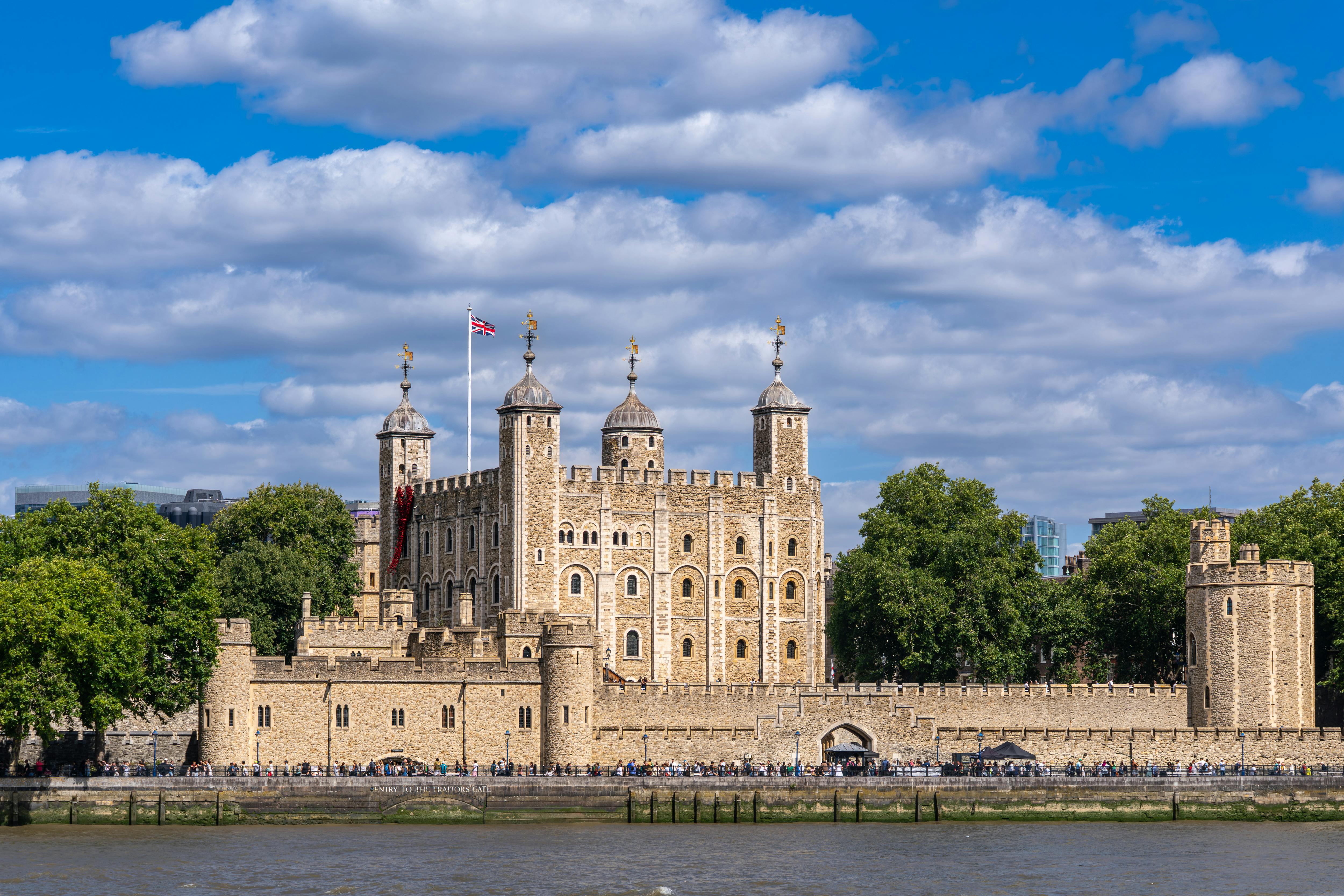
The Tower’s most famous feature is the Crown Jewels, a dazzling collection of regalia used in royal ceremonies. Visitors can explore the intricate displays and learn about the significance of each piece, from crowns to scepters. The Yeoman Warders, also known as Beefeaters, provide lively guided tours filled with fascinating anecdotes about the Tower’s dark and illustrious past. The medieval walls, towers, and the iconic White Tower itself offer a glimpse into England’s turbulent history, including tales of imprisonment, executions, and royal intrigue.
Practical details include opening hours from 9 am to 5:30 pm, with extended hours during peak seasons. It is advisable to purchase tickets in advance to avoid long queues. The site is easily accessible by public transport, with Tower Hill Station nearby. Visitors should wear comfortable shoes, as exploring the expansive grounds involves a fair amount of walking. The Tower of London is more than a fortress; it is a living museum that captures the essence of London’s royal heritage and historical resilience. Its combination of history, architecture, and legends makes it an essential destination for travelers seeking to understand the city’s storied past.
Buckingham Palace
Standing as the official residence of the British monarch, Buckingham Palace is a symbol of the British monarchy’s enduring legacy and pageantry. Located in Westminster, the palace’s impressive façade and grand gates mark the heart of London’s political and ceremonial life. Visitors flock here not only to witness the Changing of the Guard but also to catch a glimpse of the royal residence’s majestic architecture and beautifully maintained gardens.

Built in 1703 as a townhouse for the Duke of Buckingham, the palace was transformed into a royal residence in the 19th century. Today, it features 775 rooms, including state rooms used for official functions and receptions. During the summer months, parts of the palace are open to the public through the Summer Opening, allowing visitors to explore the lavish State Rooms, which are decorated with priceless artworks, chandeliers, and historic furnishings. The Changing of the Guard ceremony, held regularly, is a colorful spectacle that showcases British pageantry and military tradition.
Practical information for visitors includes checking the schedule for the Changing of the Guard, which typically occurs on specific days and times. Guided tours are available, providing insights into the palace’s history, architecture, and royal traditions. It’s advisable to arrive early, especially during peak seasons, to secure good viewing spots. The palace’s central location makes it convenient to combine with visits to nearby attractions such as St. James’s Park and Westminster Abbey. Visiting Buckingham Palace offers a unique opportunity to experience the grandeur of British royal heritage firsthand, making it a quintessential part of London’s iconic urban landscape.
When Is the Best Time to Visit London?
Understanding the Weather and Climate
London experiences a temperate maritime climate, characterized by mild winters and relatively warm summers. The best weather typically occurs from late spring to early autumn, specifically between May and September. During these months, temperatures hover around 15°C to 25°C (59°F to 77°F), making it ideal for exploring iconic urban destinations such as the Tower of London, Buckingham Palace, and the West End theaters. However, weather can be unpredictable, with occasional rain showers, so packing an umbrella is always advisable.
Peak Tourist Seasons and Crowds
London’s peak tourist season coincides with the summer months—June through August—when schools are on holiday and the weather is warmest. During this period, popular attractions are bustling, and accommodations tend to be more expensive. Additionally, events like Wimbledon and the Notting Hill Carnival draw large crowds, enhancing the city’s vibrant atmosphere but also leading to longer wait times and crowded streets.
Off-Peak Benefits
Visiting during the shoulder seasons—spring (March to May) and early autumn (September to October)—offers distinct advantages. These months typically feature fewer tourists, shorter queues, and better hotel rates. The weather remains pleasant, and parks like Hyde Park and Regent’s Park are particularly beautiful during spring’s bloom or autumn’s colorful foliage. Moreover, cultural festivals and events often take place during these times, providing a more authentic experience of London’s urban charm.
Summary Table of Pros and Cons
| Timing | Pros | Cons |
|---|---|---|
| Late Spring to Early Autumn (May – September) |
|
|
| Spring and Autumn (March – May, September – October) |
|
|
| Winter (November – February) |
|
|
Ultimately, the best time to visit London depends on your preferences. If you seek iconic urban experiences in lively settings, summer and early autumn are ideal. Conversely, if you prefer a quieter, more budget-friendly visit with a touch of seasonal charm, spring and winter offer unique opportunities. Planning ahead ensures you can enjoy London’s timeless appeal, no matter the season.
Getting to London: Your Gateway to an Iconic Urban Destination
London, a vibrant metropolis steeped in history and culture, welcomes millions of travelers each year. Whether you’re arriving from across the globe or nearby European cities, understanding your transportation options will ensure a smooth journey into this iconic urban hub. From flights to local transit, this guide will help you navigate your way to London efficiently and comfortably.
Flights to London
London is served by several major airports, making it highly accessible for travelers worldwide. The primary international gateways include Heathrow Airport (LHR), Gatwick Airport (LGW), Stansted Airport (STN), Luton Airport (LTN), and City Airport (LCY). Heathrow is the busiest and offers extensive global connections, while Gatwick and Stansted cater to both international and budget airlines.
When booking flights, consider the airport closest to your accommodation or planned activities. Additionally, early booking often secures better deals and more flight options. For travelers on a tight schedule, direct flights are preferable, but connecting flights can sometimes offer cost savings.
Train Travel to London
If you’re traveling from nearby European cities or within the UK, trains provide a fast and scenic alternative. Major rail services include Eurostar, which connects London to Paris, Brussels, and Amsterdam via the Channel Tunnel. Within the UK, extensive rail networks link London to cities like Oxford, Cambridge, and Brighton.
Trains are known for their punctuality and comfort, making them an excellent choice for quick transfers. Be sure to book tickets in advance to secure the best prices, and consider rail passes if you plan multiple journeys.
Bus and Coach Services
Long-distance bus services offer budget-friendly travel options to London from various European cities and UK regions. Companies like Eurolines and National Express operate frequent routes, providing an economical way to reach the city. Buses typically arrive at central locations such as Victoria Coach Station or Victoria Bus Terminal.
While buses are slower than trains or flights, they are ideal for travelers seeking affordability and flexibility. Remember to check schedules and arrive early, especially during peak travel times.
Travel Tips and Important Information
- Always verify visa requirements before traveling to London, especially if arriving from outside the UK or EU.
- Consider travel insurance that covers delays or cancellations, particularly for international flights.
- For airport transfers, options include taxis, ride-sharing services, and dedicated shuttle buses. Pre-booking can save time and money.
- Keep an eye on transportation strikes or service disruptions, which occasionally occur in major cities.
- London’s transportation system is extensive, but planning your routes ahead of time can save you valuable sightseeing hours.
Exploring Local Transportation in London
Once in London, public transportation is the most practical way to explore iconic sites like the Tower of London, Buckingham Palace, and the British Museum. The city boasts an extensive network of buses, the London Underground (Tube), and river services. For convenience, consider purchasing an Oyster card or a Travelcard, which offer discounted fares across most transport modes.
For those who prefer the flexibility of driving, rental cars are available, but be aware that London’s city center has congestion charges and limited parking. If you decide to rent a vehicle, plan your routes carefully and familiarize yourself with local traffic laws.
Rent a Bicycle
Best Places to Stay in London: A Guide for Every Budget
London, renowned as an iconic urban destination, offers a diverse array of accommodations that cater to all types of travelers. Whether you seek luxury, mid-range comfort, or budget-friendly options, the city’s vibrant neighborhoods and historic landmarks are within reach. Here, we explore top choices across different budgets, ensuring your stay in London is memorable and tailored to your preferences.
Luxury Hotels: Experience the Pinnacle of Elegance
For travelers who desire an opulent experience amid London’s most iconic sights, these hotels set the standard for luxury and sophistication. Staying at one of these establishments means immersing yourself in history, style, and unparalleled service.
- The Savoy – Located on the Strand, The Savoy is a legendary hotel that combines Edwardian grandeur with modern luxury. Its prime location offers stunning views of the Thames and easy access to Covent Garden and the West End. Guests appreciate the world-class dining options and the historic charm that has attracted royalty and celebrities for over a century.
- The Dorchester – Situated in Mayfair, The Dorchester epitomizes elegance with its art deco design and impeccable service. It’s a favorite among high-profile visitors seeking proximity to designer boutiques, cultural attractions, and fine dining. The hotel’s spacious rooms and spa facilities make it a perfect retreat after exploring the city’s iconic landmarks.
Mid-Range Options: Comfort and Convenience
If you prefer a balance between luxury and affordability, London offers numerous mid-range hotels that provide excellent amenities without compromising style or location. These accommodations are ideal for travelers who want to explore the city’s iconic destinations without overspending.
- Premier Inn County Hall – Situated near the London Eye and Southbank, this hotel offers comfortable rooms with modern decor. Its strategic location makes it easy to explore major attractions, and the friendly staff ensure a pleasant stay.
- Hampton by Hilton London Waterloo – Located close to the South Bank, this hotel provides spacious rooms and complimentary breakfast. It’s perfect for families or couples looking for a cozy yet convenient base in the heart of the city.
Budget-Friendly Stays: Discover London Without Breaking the Bank
For travelers seeking affordable options, London’s budget accommodations deliver comfort and character without sacrificing location. These choices allow you to immerse yourself in the city’s vibrant neighborhoods while keeping costs manageable.
- Generator London – A trendy hostel in the King’s Cross area, Generator offers dormitory beds and private rooms. Its lively atmosphere and communal spaces foster social interactions, making it ideal for solo travelers or groups.
- Point A Hotel London Kings Cross – Compact yet stylish, this hotel provides clean, modern rooms at an affordable price. Its proximity to major train stations makes travel across London and beyond effortless.
In conclusion, London’s accommodations are as diverse as its history and culture. Whether indulging in luxury at historic landmarks, enjoying mid-range comfort near cultural hubs, or exploring budget options in lively neighborhoods, each choice offers a unique way to experience this iconic city. Your perfect stay awaits, tailored to your style and budget, in the heart of one of the world’s most captivating urban destinations.
Next, explore essential travel products to enhance your London trip, including sightseeing passes and transportation cards.
Essential Travel Products for Visiting London
1. The London Pass – Your All-In-One Sightseeing Card
The London Pass is an invaluable resource for travelers eager to explore the city’s iconic landmarks without the hassle of individual ticket purchases. This comprehensive sightseeing card grants you access to over 80 attractions, including the Tower of London, Westminster Abbey, St. Paul’s Cathedral, and the London Eye. One of its standout features is the ability to skip long lines at popular sites, saving precious time during busy hours. Additionally, the pass comes with a detailed guidebook and map, helping visitors navigate the city efficiently.
Designed for convenience, the London Pass is available for durations ranging from one to ten days, allowing flexibility based on your itinerary. It also includes discounts on various tours, restaurants, and shops, making it a cost-effective choice for travelers looking to maximize their experience. Whether you’re interested in history, art, or panoramic city views, this pass simplifies access and enhances your London adventure.
Where to buy: You can purchase the London Pass online through the official website or at select locations across the city, such as Heathrow Airport and major tourist centers.
2. The Oyster Card – Seamless Travel on London’s Public Transport
The Oyster Card is an essential tool for navigating London’s extensive public transportation network. This contactless smart card offers discounted fares on buses, the Tube, trams, the Docklands Light Railway, and some river services. Its convenience lies in its ease of use: simply tap in and tap out at stations or onboard buses, avoiding the need for cash transactions.
One of the key advantages of the Oyster Card is its cost-saving feature. Compared to buying individual tickets, it provides significant discounts, especially for travelers planning multiple journeys daily. Additionally, the card can be topped up online or at numerous stations, making it adaptable to your travel schedule. For visitors staying several days, an Oyster Card ensures smooth, hassle-free travel across London’s iconic neighborhoods, from Westminster to Camden and beyond.
Where to buy: Obtain your Oyster Card at Heathrow, Gatwick, or Stansted airports, at Tube stations, or order online in advance for pickup or delivery.
See why travelers buy these on Amazon
Guidebooks for Exploring Iconic Urban Destinations in London
1. “Lonely Planet London” (Available on Kindle Unlimited and Audible)
This comprehensive guidebook offers an in-depth look into London’s most iconic sites, neighborhoods, and hidden gems. It provides detailed itineraries, practical tips, and cultural insights that help travelers craft personalized experiences. Whether you’re visiting the historic Tower of London, wandering through the vibrant markets of Camden, or exploring the art-filled streets of Shoreditch, this book equips you with the knowledge to make the most of each moment. Its user-friendly maps and suggested walking routes are particularly helpful for those eager to discover London on foot.
Perfect for first-time visitors and seasoned travelers alike, “Lonely Planet London” encourages an immersive experience, highlighting unique stories behind each landmark. The Kindle version allows easy access on-the-go, while the Audible edition makes it perfect for listening during commutes or relaxing in your accommodation.
2. “DK Eyewitness Travel Guide: London” (Available on Kindle Unlimited and Audible)
This visually stunning guide emphasizes the city’s iconic architecture, museums, and historic districts. Richly illustrated with photographs and detailed maps, it helps travelers understand London’s evolution from Roman times to the modern metropolis. The book’s thematic chapters—covering royal sights, literary landmarks, and contemporary art scenes—allow for tailored exploration based on your interests.
Its practical tips include the best times to visit popular attractions, local dining suggestions, and insider secrets. The Kindle edition is perfect for quick reference during your trip, while the Audible version offers a narrated overview of London’s highlights, ideal for pre-trip planning or leisurely listening.
3. “Insight Guides London” (Available on Kindle Unlimited and Audible)
This guide combines stunning visuals with insightful commentary, making it an excellent resource for travelers seeking a deeper understanding of London’s urban fabric. It explores the city’s iconic landmarks, from Buckingham Palace to the British Museum, while also delving into lesser-known neighborhoods that showcase London’s diverse culture. The book emphasizes experiential travel, offering suggestions for local experiences, markets, and cultural events.
Both the Kindle and Audible formats provide flexibility, allowing you to explore London’s stories at your own pace. This guide is especially useful for travelers who want to go beyond the typical tourist trail and immerse themselves in the city’s vibrant urban life.
Subscribe to Audible for free and access thousands of travel audiobooks!
Frequently Asked Questions about Iconic Urban Destinations London
What are the must-see landmarks in London for first-time visitors?
London is a city rich with history and culture, offering numerous iconic landmarks. For first-time visitors, the top sights include the Big Ben and the Houses of Parliament, which symbolize the city’s political heritage. The Tower of London provides a glimpse into medieval history and houses the Crown Jewels. Don’t miss the London Eye for breathtaking panoramic views of the city skyline. Additionally, Buckingham Palace offers the spectacle of the Changing of the Guard ceremony, which is a quintessential London experience. To maximize your visit, consider joining guided tours that provide fascinating insights into each site’s history and significance.
How can I make the most of my visit to London’s public transportation system?
London’s extensive public transportation network is one of the most efficient ways to explore the city. The Oyster card is a smart, cost-effective way to travel on buses, trams, and the Tube. You can purchase and top up your Oyster card at stations or online before your trip. The Tube system covers most major attractions, with signs and maps available at every station. For convenience, consider downloading the Transport for London (TfL) app, which provides real-time updates, route planning, and fare information. Buses are also a scenic way to see the city while traveling between sites, especially during daylight hours.
Are there any tips for visiting London’s popular attractions without long lines?
Absolutely. To avoid long queues, plan your visits early in the morning or later in the afternoon. Many major attractions, such as the British Museum and National Gallery, are less crowded during off-peak hours. Booking tickets online in advance is highly recommended, especially for popular sites like the London Eye or Westminster Abbey. Consider purchasing combination tickets or passes, such as the London Pass, which grants access to multiple attractions and can save both time and money. Additionally, visiting on weekdays rather than weekends can significantly reduce wait times.
What are some hidden gems or lesser-known spots worth exploring?
While London’s famous landmarks are a must-see, exploring lesser-known spots can enrich your experience. Visit Leighton House Museum, a stunning example of Victorian architecture with exquisite interiors. The Hampstead Heath offers expansive green spaces and spectacular views of the city from Parliament Hill. For a unique shopping experience, explore Columbia Road Flower Market on Sundays. The Little Venice area, with its charming canals and waterside cafes, provides a peaceful retreat from the bustling city. These hidden gems reveal London’s diverse character beyond its iconic skyline.
Is it safe to explore London at night?
London is generally a safe city for tourists, including at night. However, like any major city, it’s wise to stay vigilant. Stick to well-lit, busy areas and avoid unfamiliar neighborhoods late at night. Public transportation continues to operate safely into the late hours, especially around central locations. Keep your belongings secure and be cautious of your surroundings, particularly in crowded places. Many popular nightlife districts, such as Soho and Shoreditch, are lively and safe, offering a vibrant atmosphere for evening outings. Always plan your route in advance and consider using licensed taxis or ride-sharing services if you’re unfamiliar with the area.
What is the best time of year to visit London for iconic urban experiences?
The best time to visit London depends on your preferences. Spring (March to May) offers mild weather and blooming gardens, perfect for outdoor sightseeing. Summer (June to August) sees the city come alive with festivals, open-air events, and longer daylight hours, ideal for exploring iconic sites. Autumn (September to November) provides cooler temperatures and fewer crowds, with beautiful fall foliage. Winter (December to February) transforms London into a festive wonderland, with Christmas markets and holiday lights, though it can be colder and busier during the holiday season. No matter when you visit, planning ahead ensures you can enjoy London’s vibrant urban landscape to the fullest.
Travel smart – earn cashback on flights, hotels & even travel insurance!
Discover the Unmatched Charm of London’s Iconic Urban Destinations
London’s rich tapestry of history, culture, and modern innovation makes it a truly unparalleled urban destination. From the majestic Big Ben and Westminster Abbey to the vibrant energy of Covent Garden, each site offers a unique glimpse into the city’s soul. The London Eye provides breathtaking views that capture the city’s sprawling beauty, while the British Museum immerses visitors in centuries of human history. Notably, the blend of historic landmarks with contemporary attractions creates a dynamic atmosphere that appeals to every traveler.
Moreover, London’s diverse neighborhoods, such as Shoreditch and Notting Hill, showcase a mix of artistic expression, culinary excellence, and local charm. These districts exemplify the city’s ability to evolve while preserving its storied past. Whether you’re exploring iconic sites or discovering hidden gems, London invites you to experience its multifaceted character firsthand.
Take Action and Explore Further
If you’re inspired to delve deeper into London’s iconic destinations, start planning your visit today. Consider guided tours to uncover lesser-known stories behind famous landmarks or explore neighborhoods on foot to truly absorb their vibrant atmosphere. Remember, each corner of London offers a new story waiting to be discovered. So, pack your curiosity and embark on an unforgettable journey through this captivating metropolis.