Discover the Timeless Charm of Rome: A Journey Through Its Historic and Cultural Wonders
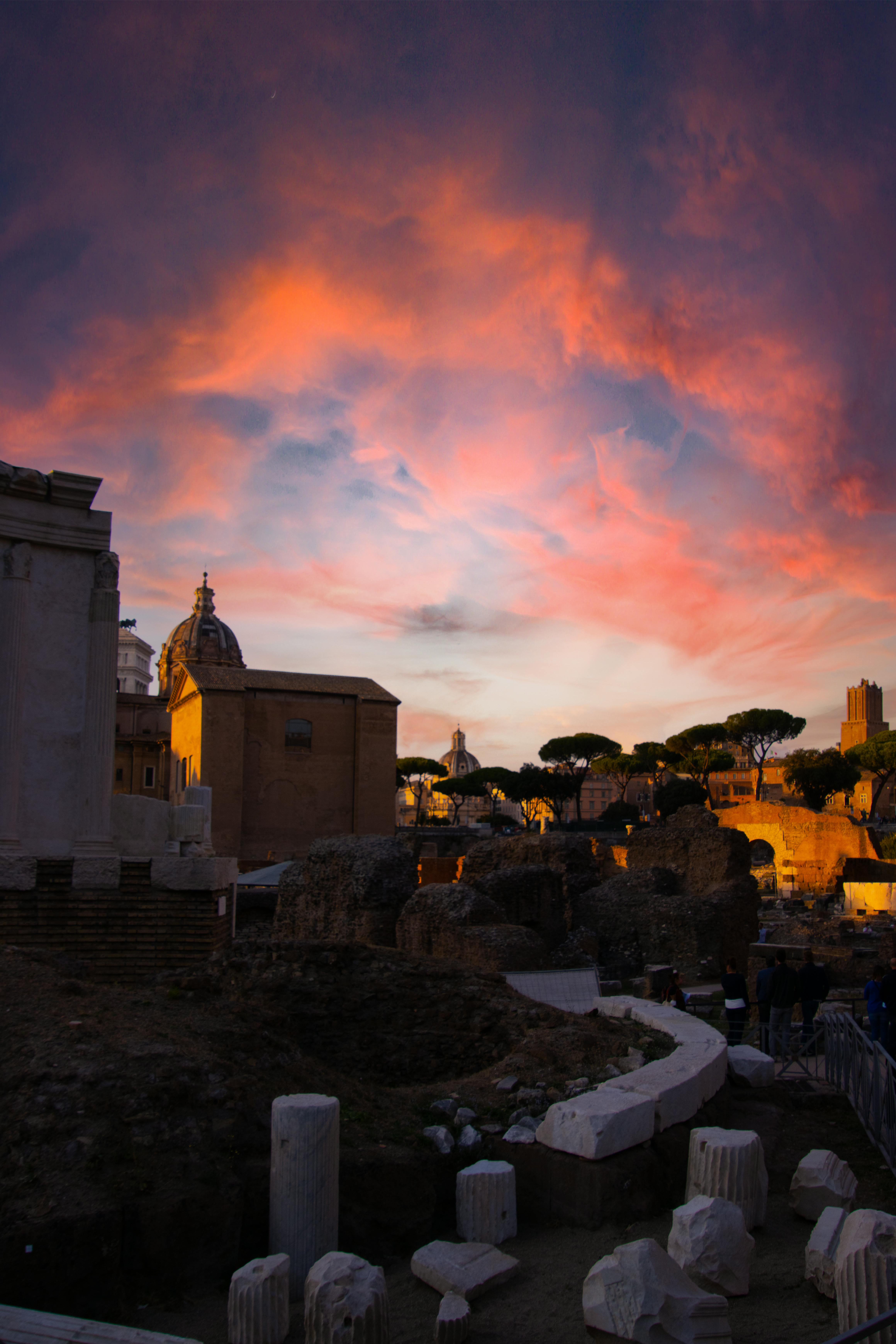
Rome, often heralded as the Eternal City, stands as a captivating testament to human history and cultural achievement. Its streets are an open-air museum, where every corner reveals stories of ancient civilizations, revolutionary art, and enduring architecture. This city is a living tapestry woven with the grandeur of the Roman Empire, the brilliance of Renaissance masters, and the vibrancy of modern life. Visitors are drawn not only by its iconic landmarks but also by its ability to seamlessly blend the past with the present, creating a unique atmosphere that enchants travelers from around the world.
In this article, you will explore why Rome is considered one of the greatest wonders of the world. We will delve into its rich history, uncover its cultural treasures, and highlight the distinctive features that make Rome an unparalleled destination for history enthusiasts, art lovers, and curious explorers alike. Prepare to embark on a journey through time and discover the city’s most extraordinary cultural and historic marvels that have stood the test of centuries.
Get everything you need for your trip – fast, and free with Prime.
Colosseum
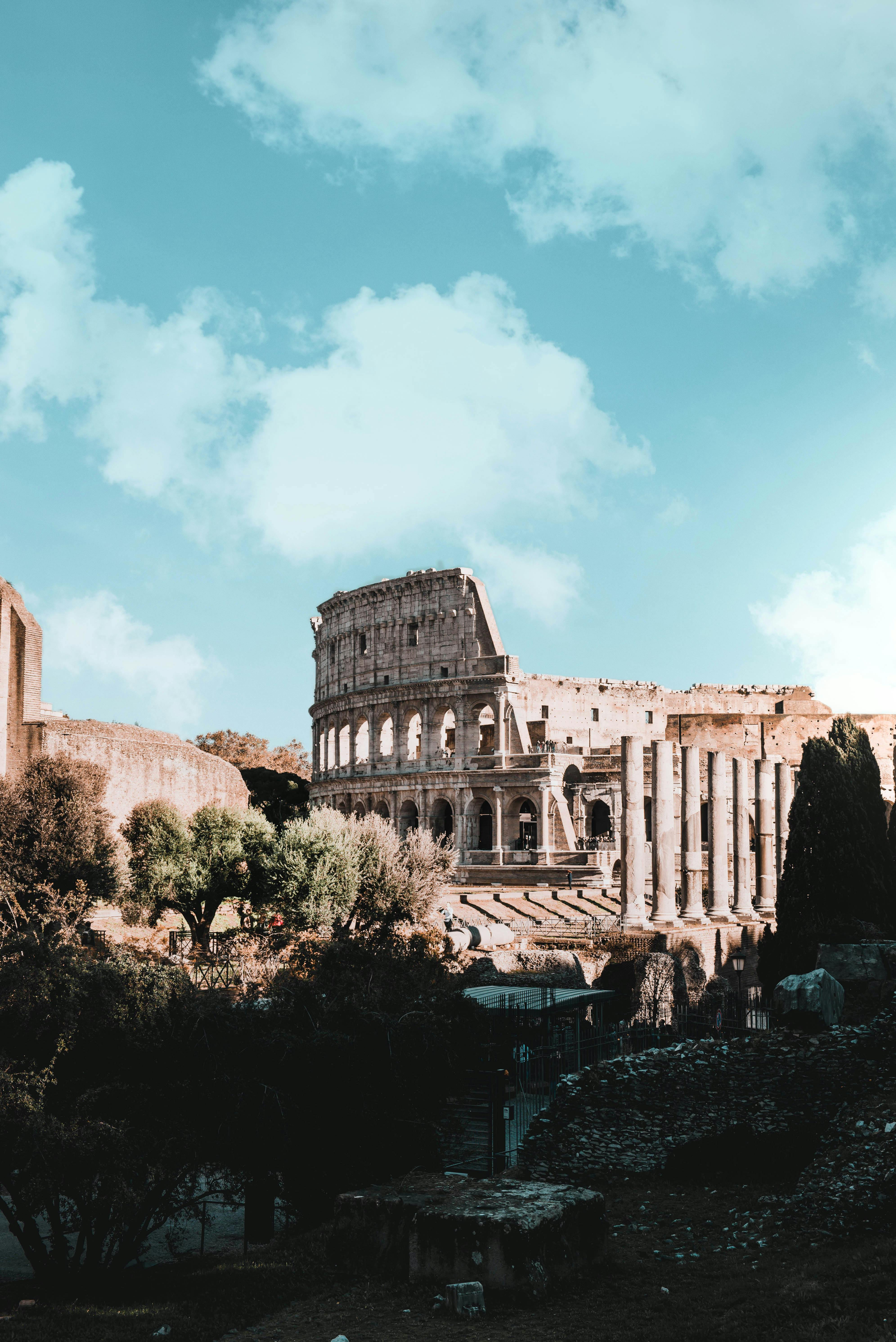
The Colosseum, also known as the Flavian Amphitheatre, stands as an iconic symbol of ancient Rome’s grandeur and engineering prowess. Located in the heart of Rome, this colossal structure was constructed between AD 70 and 80 under the reign of Emperor Vespasian and his son Titus. It was primarily used for gladiatorial contests, public spectacles, and other entertainment events that drew thousands of spectators from across the empire. Today, it remains one of the most impressive and well-preserved monuments from antiquity, attracting millions of visitors eager to glimpse the grandeur of ancient Roman civilization.
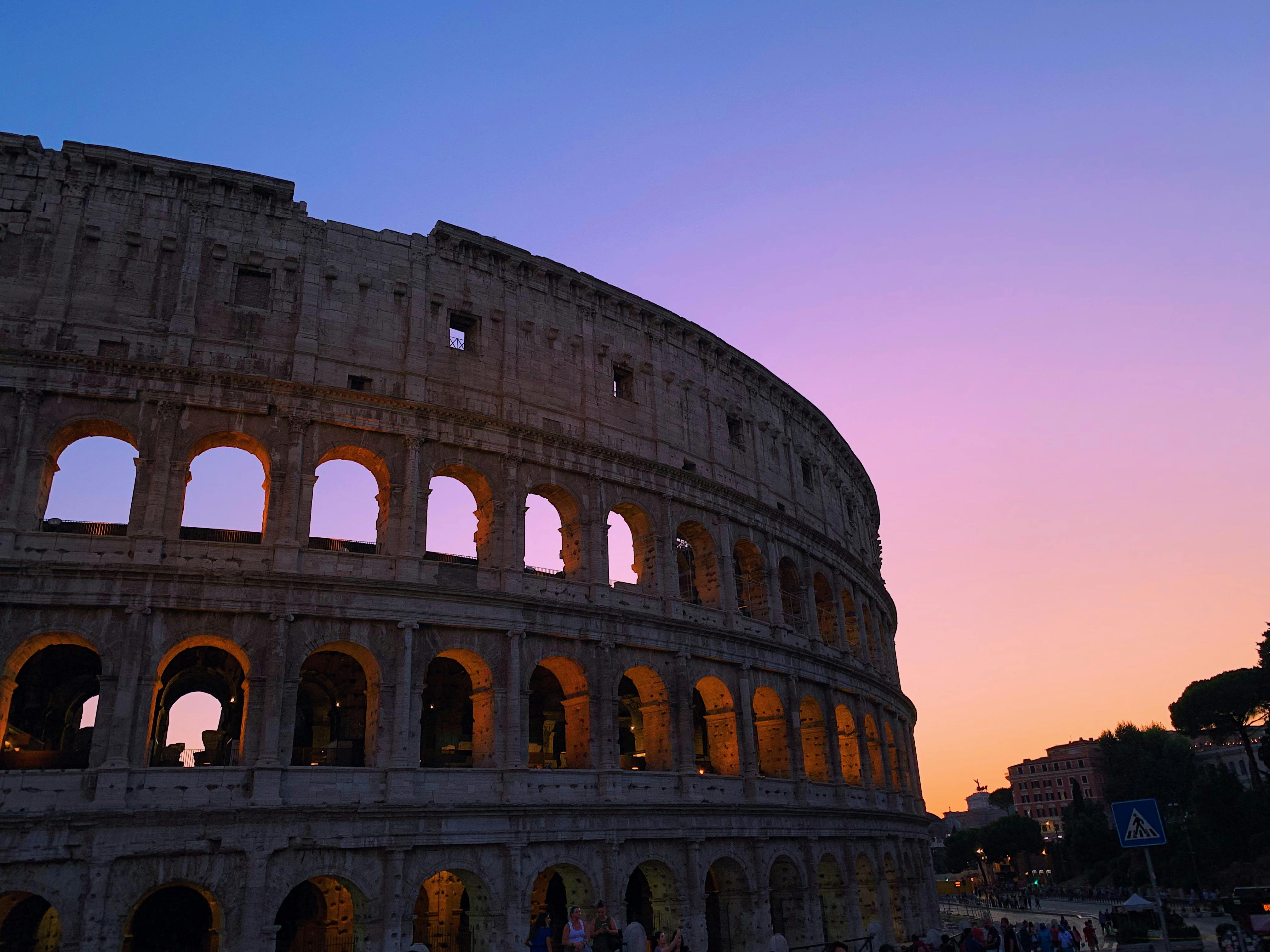
The Colosseum’s main features include its massive elliptical structure, which measures approximately 189 meters long, 156 meters wide, and 48 meters high. Its outer façade is composed of three levels of arches adorned with columns in the Doric, Ionic, and Corinthian orders, showcasing classical Roman architectural mastery. Inside, visitors can explore the vast arena, where battles and spectacles once captivated audiences. The underground hypogeum, a complex network of tunnels and chambers, is particularly fascinating, as it reveals how animals, gladiators, and stage sets were managed behind the scenes.
Visiting the Colosseum provides a profound connection to history, allowing travelers to imagine the thrill of ancient Roman entertainment. It’s highly recommended to join a guided tour, which often includes access to areas not open to the general public, such as the upper tiers and the hypogeum. To make the most of your visit, arrive early to avoid crowds and consider purchasing tickets online in advance. The site is accessible via public transportation, with nearby metro stations and bus stops. Nearby, you can also explore the Roman Forum and Palatine Hill, completing a journey through the heart of ancient Rome’s political and social life.
Vatican Museums
The Vatican Museums, situated within Vatican City, represent one of the world’s most extensive and remarkable art collections. Founded in the early 16th century, these museums house an astonishing array of artworks, sculptures, tapestries, and historical artifacts accumulated by the Catholic Church over centuries. Visitors can wander through a labyrinth of galleries that showcase masterpieces from renowned artists such as Michelangelo, Raphael, Caravaggio, and Leonardo da Vinci. The museums are not only a treasure trove of artistic achievement but also a journey through the history of Christianity and the papacy itself.
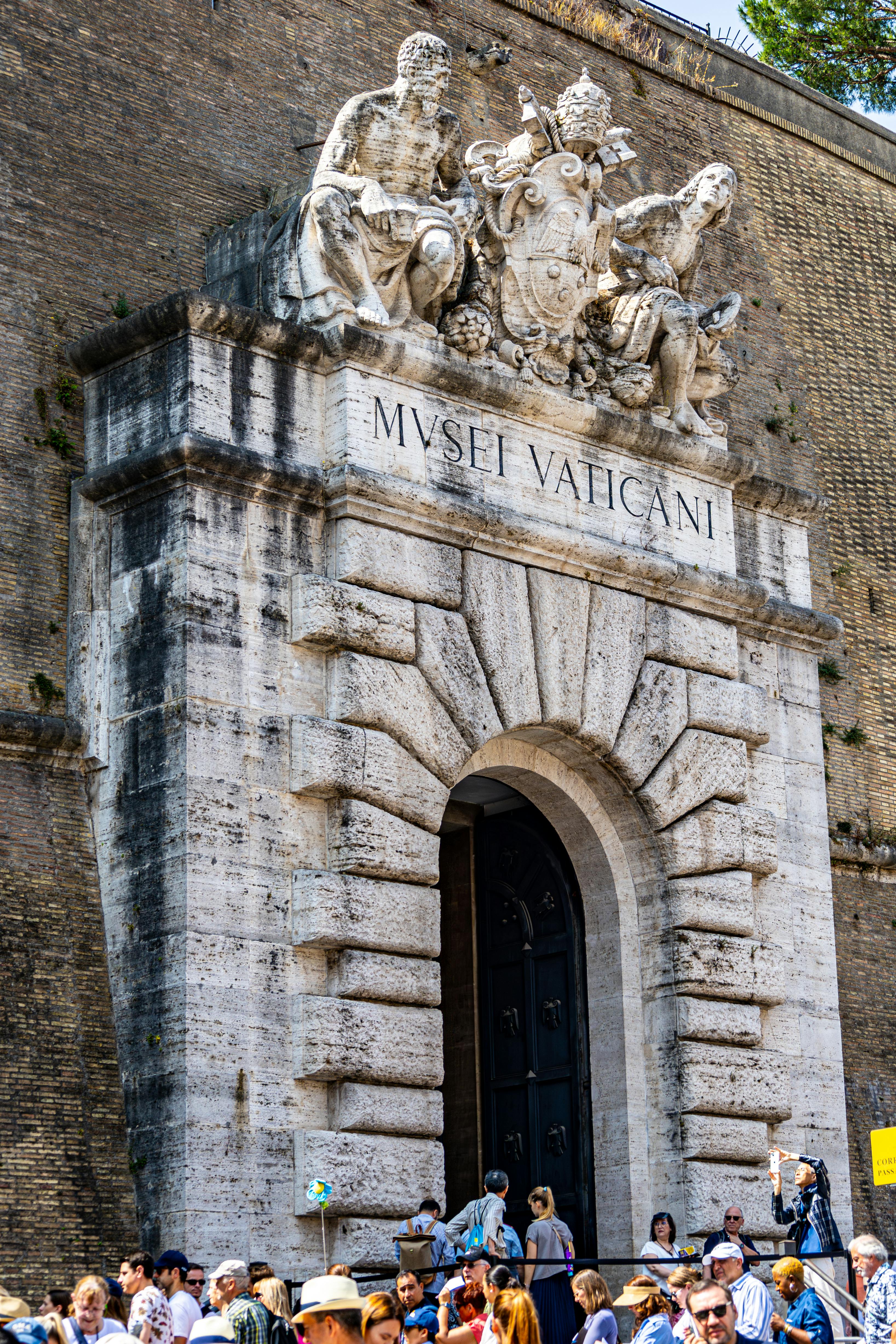
The Vatican Museums are located within the Vatican City, just north of St. Peter’s Basilica. The complex spans over 7 kilometers of corridors and galleries, with highlights including the Gallery of Maps, the Tapestry Gallery, and the modern art collection. The most famous part of the museums is the Sistine Chapel, renowned for Michelangelo’s breathtaking ceiling frescoes depicting scenes from Genesis and The Last Judgment. Visiting the museums provides an unparalleled opportunity to witness some of the most important works of Western art in their original setting.
Practical tips for visitors include purchasing tickets online to skip long lines, which can be extensive during peak seasons. It’s advisable to allocate at least three hours to explore the highlights comfortably. The museums are wheelchair accessible, and guided tours are available for a more enriching experience. Remember, dress modestly, as the Vatican maintains strict dress codes. After exploring the museums, visitors often combine their visit with a tour of St. Peter’s Basilica and the stunning St. Peter’s Square, making it a comprehensive cultural experience in the heart of Vatican City.
Pantheon
The Pantheon, located in the center of Rome, stands as one of the most extraordinary architectural achievements of ancient Rome. Originally built as a temple dedicated to all gods, it was completed around 126 AD during Emperor Hadrian’s reign. Its enduring presence is a testament to Roman engineering ingenuity and spiritual significance. The Pantheon’s massive domed roof and oculus have fascinated architects and visitors for nearly two millennia, symbolizing the divine connection between heaven and earth.
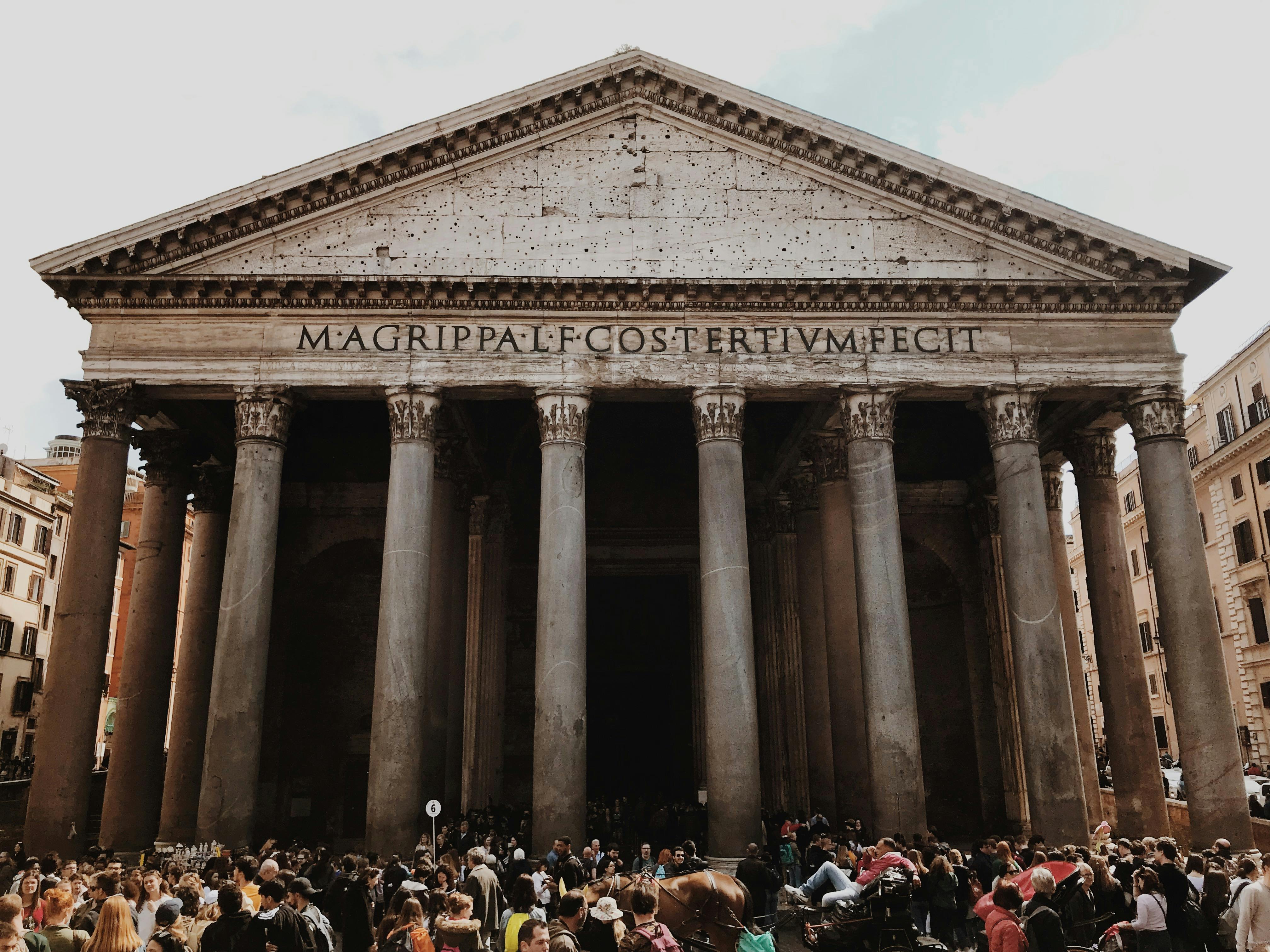
The main features of the Pantheon include its colossal circular structure, which measures 43.3 meters in diameter, and the iconic oculus at the center of the dome, which is 9 meters wide. The oculus not only provides natural light but also creates a dynamic atmosphere as sunlight moves across the interior throughout the day. The front portico, with its impressive Corinthian columns, leads into the vast interior, where the coffered ceiling reduces the weight of the dome while adding aesthetic appeal.
Visiting the Pantheon offers a unique insight into Roman religious practices and architectural innovation. Its perfect proportions and innovative use of concrete continue to inspire architects today. Entrance is free, making it accessible to all, though guided tours can enrich your understanding of its history and symbolism. The site is conveniently located in Rome’s historic center, within walking distance of other major attractions like Piazza Navona and the Trevi Fountain. To avoid crowds, plan your visit early in the morning or late in the afternoon. The Pantheon’s timeless beauty and historical significance make it a must-see wonder for anyone exploring the wonders of Rome’s ancient world.
Best Time to Visit Rome
Understanding Rome’s Climate and Seasons
Rome experiences a Mediterranean climate, characterized by hot, dry summers and mild, wet winters. The best time to visit depends on what travelers seek—whether pleasant weather, fewer crowds, or vibrant city life. Spring (April to June) and fall (September to November) are particularly popular among travelers exploring the Wonders of the World, as they offer ideal conditions for sightseeing and outdoor activities.
Peak Tourist Seasons and Their Drawbacks
Summer months from July to August see a surge of tourists, especially around iconic sites like the Colosseum and Vatican Museums. While the weather is warmest during this period, attractions tend to be crowded, and accommodation prices often rise. If you prefer a lively atmosphere and don’t mind the crowds, summer can be exciting. However, for those seeking a more relaxed experience, this might be less ideal.
Off-Peak Benefits: Visiting in Winter and Early Spring
Visiting Rome during winter (December to February) offers several advantages. Temperatures are cooler, but generally mild, and the city is less crowded. This means shorter lines at major attractions and better deals on hotels. Early spring (March and early April) is also a good time, with fewer tourists and blooming flowers enhancing the city’s historic beauty. Additionally, the festive atmosphere during Christmas and New Year adds a special charm to the Eternal City.
Summary: Pros and Cons of Visiting at Different Times
| Time Period | Pros | Cons |
|---|---|---|
| Spring (April – June) |
|
|
| Summer (July – August) |
|
|
| Autumn (September – November) |
|
|
| Winter (December – February) |
|
|
Ultimately, the best time to visit Rome depends on your preferences—whether you prioritize weather, avoiding crowds, or experiencing local festivals. Planning around these factors can help ensure a memorable journey to witness the Wonders of the World in one of history’s most captivating cities.
Getting to Rome: Your Gateway to the Wonders of the World
Rome, the eternal city, is a must-visit destination for travelers eager to explore the marvels of ancient civilization and vibrant modern culture. Whether you’re arriving from abroad or nearby countries, understanding your transportation options will ensure a smooth journey into this historic metropolis. From flights to local transit, each method offers a unique experience that adds to the adventure of discovering Rome’s timeless wonders.
Flights to Rome
The most convenient way for international travelers to reach Rome is by air. Rome is served by two major airports: Leonardo da Vinci International Airport (Fiumicino) and Ciampino Airport. Fiumicino, the larger of the two, handles most international flights and is well-connected to major cities worldwide. Many airlines offer direct flights to Rome, making it accessible from Europe, North America, Asia, and beyond.
When booking your flight, consider arriving early to avoid last-minute stress, especially during peak tourist seasons. Additionally, look for deals and flexible tickets, as Rome’s airports are hubs for numerous carriers, providing ample options for different budgets.
Train Travel to Rome
If you’re traveling from other Italian cities or European countries, trains offer a scenic and efficient alternative. Italy’s high-speed trains, such as Frecciarossa and Italo, connect Rome with cities like Milan, Florence, and Venice in just a few hours. These trains are comfortable, punctual, and provide stunning views of the Italian countryside.
For travelers coming from neighboring countries, high-speed rail links from France, Switzerland, and Austria make train travel an appealing option. Booking tickets in advance often secures better prices and ensures availability during busy seasons.
Bus and Coach Services
Buses are a budget-friendly way to reach Rome from various European destinations. Several international coach companies operate routes into the city, often arriving at central bus stations such as Tiburtina or Termini. While buses take longer than trains or flights, they are a great option for those seeking economical travel and a chance to enjoy the scenery along the way.
Car Rentals and Driving Tips
If you prefer the flexibility of driving, car rentals are available at airports and city locations. Renting a car allows you to explore beyond Rome and visit nearby wonders like Ostia Antica or Tivoli. However, keep in mind that Rome’s city center has restricted traffic zones, and parking can be challenging and expensive.
Before renting, familiarize yourself with local driving laws, and consider using GPS navigation to avoid congestion and narrow streets. For a hassle-free experience, many travelers opt for public transportation within the city and reserve car rentals for day trips outside Rome.
Travel Tips and Important Information
- Plan ahead: Book flights and train tickets early, especially during peak seasons like spring and summer.
- Check schedules: Public transportation schedules may vary on holidays or weekends, so verify timings in advance.
- Stay central: Arriving at major hubs like Fiumicino or Termini station simplifies onward travel within the city.
- Use local transit: Rome’s metro, buses, and trams are efficient for reaching key attractions, including the Colosseum, Vatican, and Pantheon.
- Travel light: Navigating busy stations and narrow streets is easier without heavy luggage.
By choosing the right transportation method and planning carefully, your journey to Rome becomes a seamless part of your exploration of the wonders of the world. Enjoy your trip and immerse yourself in the timeless beauty that awaits in this historic city.
Rent a Bicycle
Best Places to Stay in Rome: Accommodations for Every Budget
Rome, a city of timeless wonders and captivating history, offers a variety of accommodations that allow travelers to immerse themselves in its grandeur. Whether you seek opulence, comfort, or affordability, choosing the right place to stay enhances your experience of the Eternal City’s marvels. Here, we explore top options across different budgets, each offering unique access to Rome’s iconic landmarks and hidden gems.
Luxury Options for an Unforgettable Roman Experience
For those who wish to indulge in the city’s splendor, luxury hotels provide not only lavish comfort but also proximity to some of the world’s most celebrated wonders. The Hotel de Russie is a prime example. Nestled near the Piazza del Popolo, this historic hotel boasts elegant rooms, a lush secret garden, and a renowned spa. Its central location makes it easy to explore the Trevi Fountain, Spanish Steps, and Vatican City, all within walking distance.
Another top-tier choice is the Hotel Hassler Roma. Positioned atop the Spanish Steps, this iconic hotel combines classic Roman architecture with modern luxury. Guests enjoy panoramic views, exceptional service, and exquisite dining, making it ideal for travelers seeking a regal experience amid Rome’s wonders.
Mid-Range Hotels for Comfort and Convenience
If you desire a balance between luxury and affordability, mid-range hotels offer comfort without sacrificing access to Rome’s historic sites. The Hotel Savoy is a charming option located near Via Veneto. It features stylish rooms, friendly service, and a rooftop terrace with views of the city’s skyline. Its strategic position makes it easy to visit the Colosseum, Roman Forum, and other ancient marvels.
Similarly, the Hotel Artemide provides modern amenities, spacious rooms, and a wellness center. Situated on Via Nazionale, it offers quick access to the Pantheon, Piazza Navona, and the Trevi Fountain, making it an excellent choice for travelers eager to explore Rome’s wonders comfortably.
Budget-Friendly Accommodations for the Thrifty Explorer
Travelers on a budget can still enjoy Rome’s splendors by choosing affordable yet comfortable options. The The Beehive is a cozy hostel and guesthouse near Termini Station. It offers a warm atmosphere, communal spaces, and a friendly vibe, perfect for meeting fellow adventurers eager to discover the city’s marvels.
Another great option is Alessandro Downtown Hostel, located close to major attractions such as the Colosseum and Roman Forum. Its clean dorms, private rooms, and communal kitchens make it an ideal base for explorers who want to experience Rome without overspending.
| Budget Level | Recommended Accommodation | Highlights |
|---|---|---|
| Luxury | Hotel de Russie | Elegant decor, central location, lush garden, spa |
| Mid-Range | Hotel Artemide | Modern amenities, rooftop terrace, prime location |
| Budget | The Beehive | Affordable, friendly atmosphere, communal spaces |
Choosing the right accommodation in Rome depends on your budget and desire for proximity to the city’s wonders. Regardless of where you stay, each of these options provides a comfortable base from which to explore the Eternal City’s awe-inspiring history and architecture, truly a testament to the wonders of the world.
Essential Travel Products for Visiting Rome
1. Rome Travel Power Adapter with USB Ports
One of the most practical items for any traveler heading to Rome is a versatile power adapter. The Universal Travel Power Adapter with USB Ports is designed specifically for international travelers, featuring multiple plug configurations compatible with Italian outlets and many others worldwide. This compact device typically includes two or three USB ports, allowing you to charge multiple devices simultaneously—smartphones, tablets, cameras, and portable chargers—without the need for multiple adapters. Its built-in surge protection safeguards your electronics from unexpected voltage spikes, providing peace of mind during your adventures.
Having a reliable adapter is essential for visitors to Rome since Italy’s outlets differ from those in many countries. This ensures you stay connected and powered throughout your trip. Whether capturing stunning photos of the Colosseum or navigating historic streets with your smartphone, this adapter minimizes hassle and keeps your devices ready for use. You can purchase this product on Amazon, Best Buy, or travel specialty stores, making it easily accessible before your departure.
2. Anti-Theft Travel Backpack with RFID Protection
Security is paramount when exploring a bustling city like Rome. The Anti-Theft Travel Backpack with RFID Blocking combines functionality and safety, making it an ideal companion for sightseeing. Crafted from durable, water-resistant materials, this backpack features lockable zippers, hidden compartments, and cut-resistant fabric to deter pickpockets. The RFID-blocking pockets protect your credit cards and passports from electronic theft, which is a growing concern in crowded tourist areas.
Additionally, ergonomic design elements such as padded straps and a breathable back panel ensure comfort during long days of exploration. Many models also include USB charging ports, allowing you to connect a power bank inside and charge your devices on the go. This backpack is available on websites like REI, Amazon, and specialty travel gear stores. Its thoughtful design helps travelers keep their valuables secure while immersing themselves in Rome’s wonders.
Check prices and reviews on Amazon
Guidebooks for Exploring Rome’s Historic and Cultural Wonders
1. “Rome: The Ultimate Guide” by Lonely Planet (Kindle Unlimited & Audible)
This comprehensive guide offers detailed insights into Rome’s most iconic landmarks, hidden gems, and local experiences. It includes practical tips on navigating the city’s historic sites, recommended itineraries, and cultural context that enriches your visit. The audiobook version allows travelers to listen while walking through ancient ruins or riding the metro, making it a flexible resource for on-the-go learning. Lonely Planet’s engaging narrative helps visitors appreciate the grandeur of the Colosseum, the artistry of the Vatican Museums, and the charm of lesser-known piazzas.
2. “Rome: A History in Art” by Michael E. Rosenthal (Kindle Unlimited & Audible)
This book delves into Rome’s artistic heritage, exploring the city’s masterpieces from antiquity to the Renaissance. It offers insights into how art and architecture reflect Rome’s cultural evolution, helping travelers understand the stories behind the masterpieces they encounter. The narrated version enhances the experience, providing historical context as you stand before Michelangelo’s Sistine Chapel ceiling or Bernini’s sculptures. It’s perfect for art enthusiasts eager to connect with Rome’s creative legacy on a deeper level.
3. “Walking Rome: A Self-Guided Tour” by Rick Steves (Kindle Unlimited & Audible)
Designed for independent explorers, this guidebook emphasizes walking routes through Rome’s most significant neighborhoods and landmarks. It includes detailed maps, historical anecdotes, and practical tips for avoiding crowds and discovering local eateries. The audiobook complements the book by offering narrated tours, allowing you to listen as you stroll through Trastevere or around the Roman Forum. This resource is ideal for travelers who want an immersive experience, blending historical insights with the joy of discovery on foot.
Each of these guidebooks enhances your understanding of Rome’s “Wonders of the World,” transforming a simple visit into an enriching journey through history, art, and culture. Whether you prefer reading or listening, these resources help you appreciate the timeless allure of the Eternal City.
Make every moment of your trip count! Whether you’re on a long-haul flight, a scenic train ride, or a solo adventure, Audible gives you access to travel books, local guides, and language learning tools—all hands-free. Try it free for 30 days and start listening today!
Frequently Asked Questions about Historic and Cultural Wonders of Rome
What are the must-see historic landmarks in Rome?
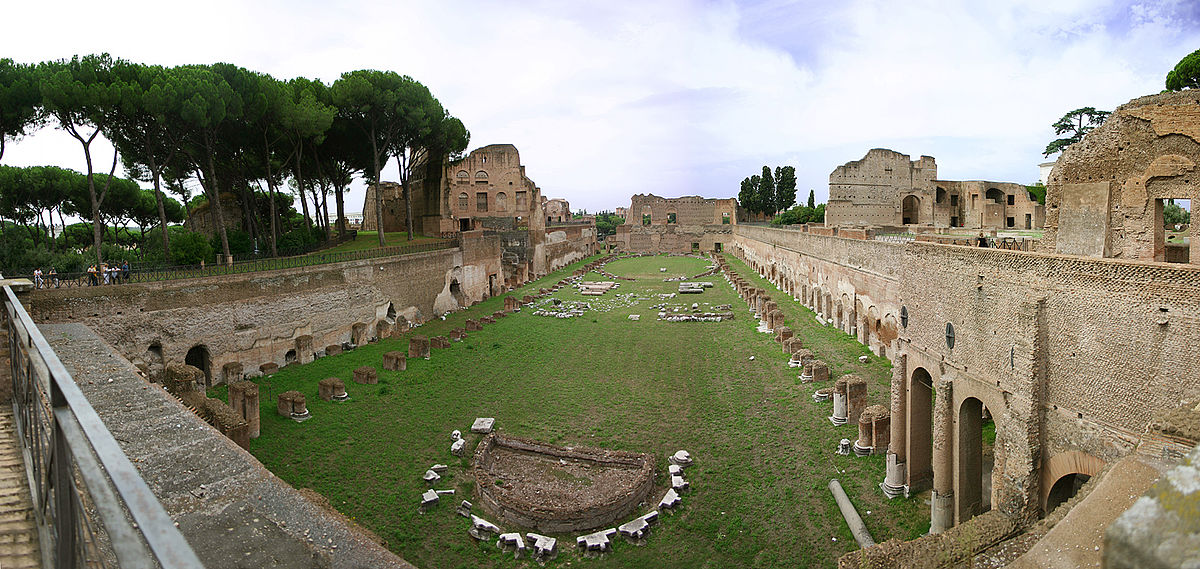
Rome is a treasure trove of historic landmarks that showcase its rich history as the heart of the Roman Empire. The most iconic sites include the Colosseum, an ancient amphitheater renowned for gladiatorial contests; the Pantheon, a marvel of ancient engineering and architecture; and the Roman Forum, which was the political and social center of ancient Rome. Don’t miss the Palatine Hill, believed to be the birthplace of Rome, and the Vatican City, home to St. Peter’s Basilica and the Sistine Chapel. These sites offer a glimpse into Rome’s grandeur and innovation, making them essential for any visitor.
Are there practical tips for visiting Rome’s historic sites?
Absolutely. To maximize your experience, consider the following tips:
- Buy tickets online in advance to avoid long queues, especially for popular sites like the Colosseum and Vatican Museums.
- Visit early in the morning or late in the afternoon to enjoy a more peaceful experience and avoid crowds.
- Wear comfortable shoes because exploring Rome involves a lot of walking on uneven surfaces.
- Carry a refillable water bottle; Rome has numerous public fountains with clean, fresh water.
- Respect the sites by following photography rules and dress codes, especially at religious sites like St. Peter’s Basilica.
Additionally, guided tours can provide insightful historical context that enriches your visit. Many sites also offer audio guides and informational brochures for self-guided exploration.
What cultural experiences can I enjoy in Rome besides visiting monuments?
Rome’s vibrant culture extends beyond its monuments. You can indulge in authentic Italian cuisine at local trattorias, participate in traditional festivals, or attend live opera and theater performances. Exploring neighborhoods like Trastevere offers a glimpse into Roman daily life, with lively piazzas, street musicians, and artisan shops. Don’t miss the chance to visit local markets such as Campo de’ Fiori, where fresh produce and regional specialties are on display. Participating in a cooking class or wine tasting can deepen your appreciation for Roman and Italian culture, making your trip more immersive and memorable.
Is it safe to explore Rome’s historic sites alone?
Yes, Rome is generally safe for solo travelers, especially in well-populated areas and during daylight hours. However, like any major tourist destination, it’s wise to stay vigilant. Keep an eye on your belongings to prevent pickpocketing, particularly in crowded spots. Stick to well-lit streets at night and avoid secluded areas. Many visitors find guided group tours or hiring local guides beneficial for safety and gaining deeper insights into the city’s history. Overall, with common-sense precautions, exploring Rome alone can be both enjoyable and enriching.
What is the best time of year to visit Rome’s historic and cultural wonders?
The ideal time to visit Rome is during spring (April to June) and early fall (September to October). During these months, the weather is pleasantly warm, and the city is less crowded compared to peak summer months. Visiting in the shoulder seasons allows you to enjoy outdoor sites comfortably and experience local events and festivals. Summers can be very hot, with temperatures often exceeding 30°C (86°F), and the city becomes crowded with tourists. Winter, though cooler, offers a unique charm, especially around Christmas, with fewer visitors and festive markets. Planning your trip during these optimal periods ensures a more comfortable and authentic experience of Rome’s wonders.
Explore the Wonders of Rome
You’re already booking a hotel, why not earn cashback too?
Discover the Timeless Charm of Rome’s Wonders
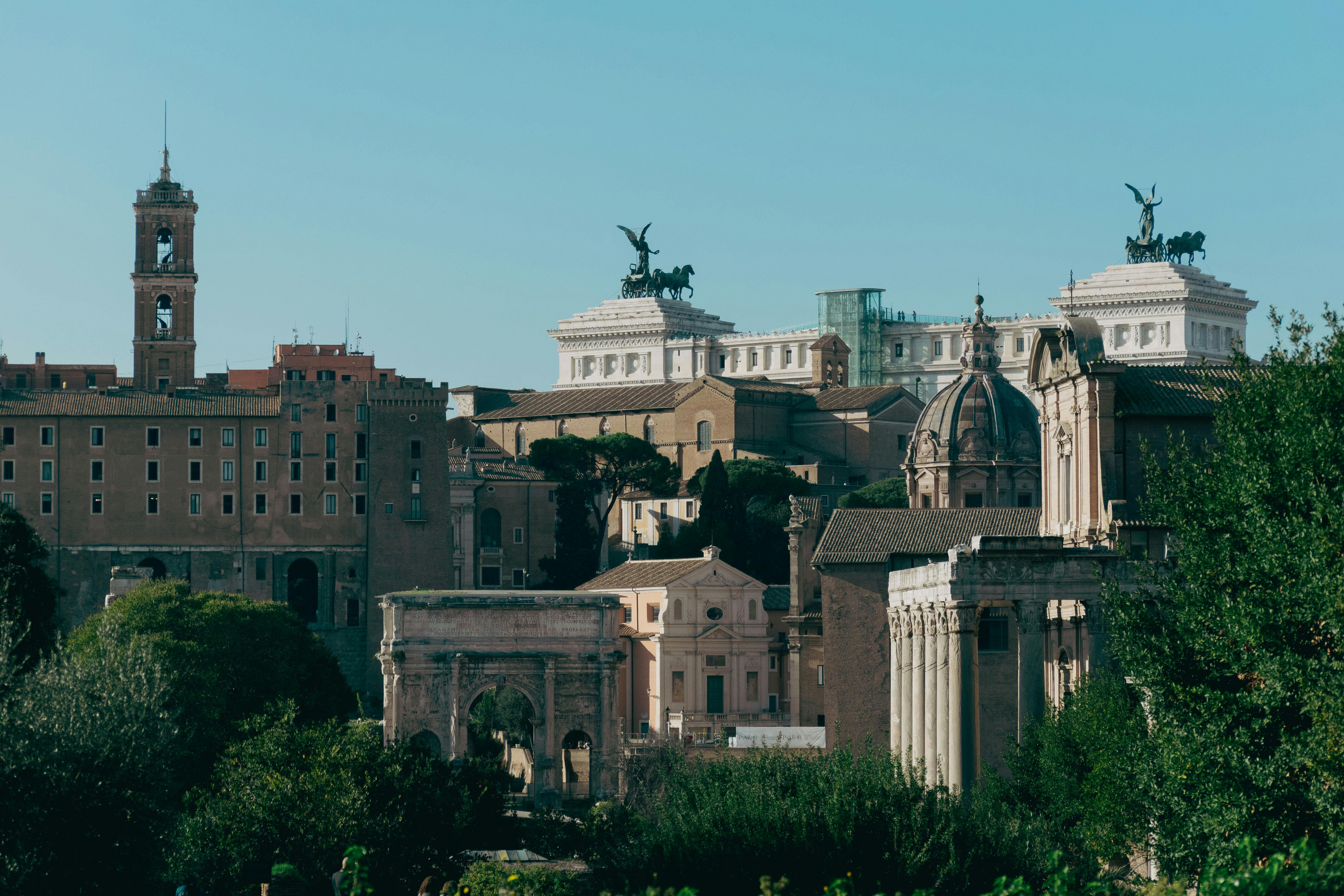
Rome stands as a testament to human ingenuity, history, and culture. From the awe-inspiring grandeur of the Colosseum and the majestic beauty of the Roman Forum to the artistic brilliance of the Vatican Museums and St. Peter’s Basilica, the city offers a treasure trove of wonders that captivate every visitor. These iconic landmarks not only tell stories of ancient civilizations but also serve as symbols of enduring legacy and resilience.
Unveiling Hidden Gems and Unique Perspectives
Beyond the well-known sites, Rome offers lesser-explored treasures such as the Baths of Caracalla and the charming Trastevere neighborhood. Exploring these areas provides a more profound understanding of Roman daily life and its rich history. Additionally, engaging with local traditions, savoring authentic cuisine, and wandering through ancient streets enrich your experience, making your journey truly memorable.
Why You Should Embark on Your Roman Adventure Today
Whether you’re a history enthusiast, an art lover, or a curious traveler, Rome’s wonders promise an unforgettable experience. Each site offers a unique insight into the past, inspiring awe and reflection. Planning your visit and immersing yourself in its timeless beauty can lead to a truly enriching journey. Discover the stories etched into every stone, and let Rome’s cultural legacy inspire your own adventure.
Don’t wait any longer—dive into the wonders of Rome. Explore its historic sites, embrace its vibrant culture, and create memories that will last a lifetime. Rome’s timeless appeal beckons travelers from around the world, offering a unique blend of history, art, and culture that you simply cannot miss. Start planning your adventure today and experience firsthand why Rome remains one of the world’s most captivating destinations.