Discover the Enchanting Mystique of Machu Picchu
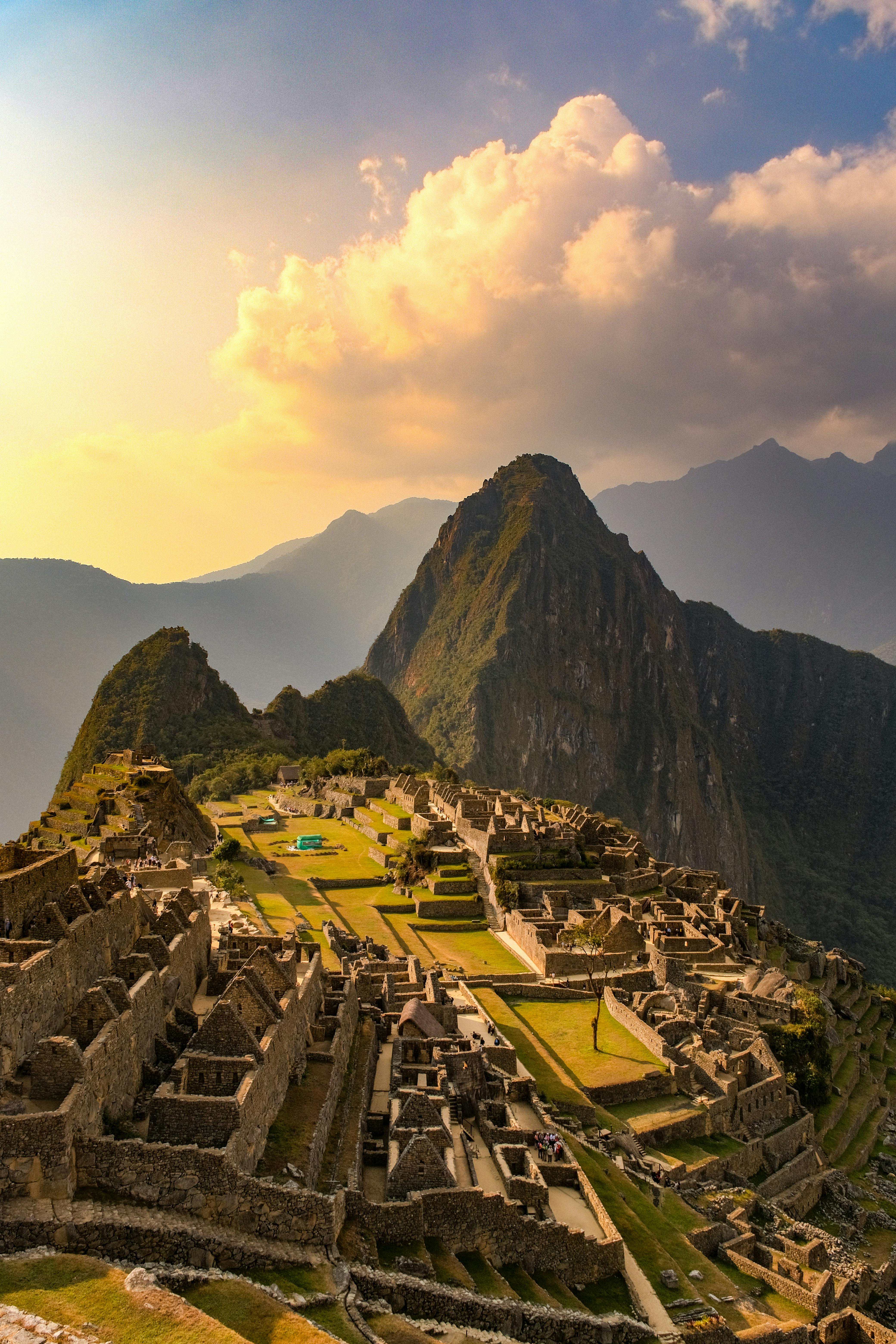
Imagine standing amidst the clouds, gazing upon a breathtaking ancient citadel nestled high in the Peruvian Andes. Machu Picchu is more than just a remarkable archaeological site; it is a symbol of human ingenuity and cultural resilience that has captivated travelers for centuries. Recognized as one of the most iconic wonders of the world, this UNESCO World Heritage site offers a mesmerizing blend of history, architecture, and natural beauty. Its mysterious origins and breathtaking setting make it a must-visit destination for explorers seeking to connect with a lost civilization and marvel at extraordinary engineering feats.
Whether you are an avid history enthusiast, adventure seeker, or cultural explorer, Machu Picchu promises an unforgettable journey through time. In this article, we will delve into what makes this wonder so unique—from its intriguing history and architectural marvels to practical travel tips. Prepare to uncover the secrets behind one of the most awe-inspiring wonders of the world.
Binge travel docs – Prime trial on us!
Intihuatana
The Intihuatana stone is one of the most intriguing and revered structures at Machu Picchu, often regarded as the spiritual heart of the site. Located on a prominent terrace within the main complex, this carved rock pillar is believed to have served as an astronomical instrument and a ritual calendar for the Inca civilization. Its name, derived from Quechua words meaning “hitching post of the sun,” hints at its purpose related to solar observations and ceremonial functions.
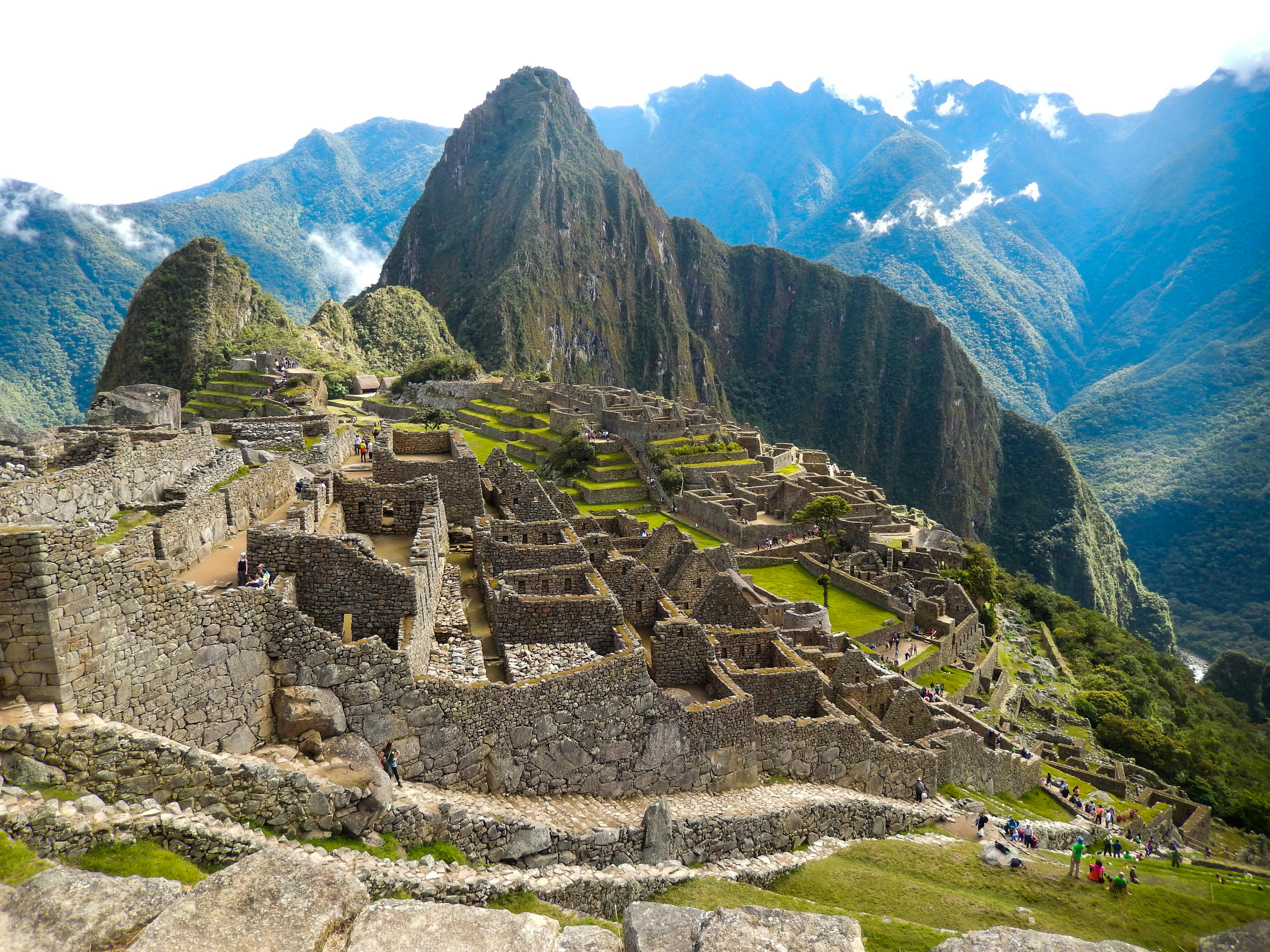
The stone itself is a finely carved, trapezoidal block of granite, approximately 1.2 meters high and weighing several tons. Its precise craftsmanship demonstrates the Inca’s advanced knowledge of astronomy and engineering. The Intihuatana’s unique shape and positioning suggest it was used to track the sun’s movements throughout the year, helping the Incas determine solstices and equinoxes, which were crucial for agricultural cycles and ceremonial rituals.
Visiting the Intihuatana offers a profound experience, as it embodies the Inca’s sophisticated understanding of celestial phenomena and their spiritual connection to the cosmos. The site’s elevated position provides spectacular panoramic views of Machu Picchu, adding to its mystical aura. Many travelers find it compelling to stand beside this ancient pillar, contemplating its purpose and the ingenuity of its creators.
Practical information for visitors includes the fact that access to the Intihuatana is often included in the standard Machu Picchu entry ticket. It is advisable to visit early in the morning or late afternoon when the lighting accentuates the stone’s carvings and when the site is less crowded. Respectful behavior is essential, as the Intihuatana remains a sacred monument for indigenous communities and a symbol of Inca astronomical prowess. Exploring this site not only enriches your understanding of Inca culture but also connects you to the universe’s timeless mysteries.
Temple of the Sun
The Temple of the Sun stands as one of Machu Picchu’s most impressive and spiritually significant structures. Situated on a rounded, semi-circular stone platform within the main complex, this temple was dedicated to Inti, the Inca sun god. Its strategic location offers commanding views of the surrounding landscape, emphasizing its importance as a sacred site for worship and astronomical observation.
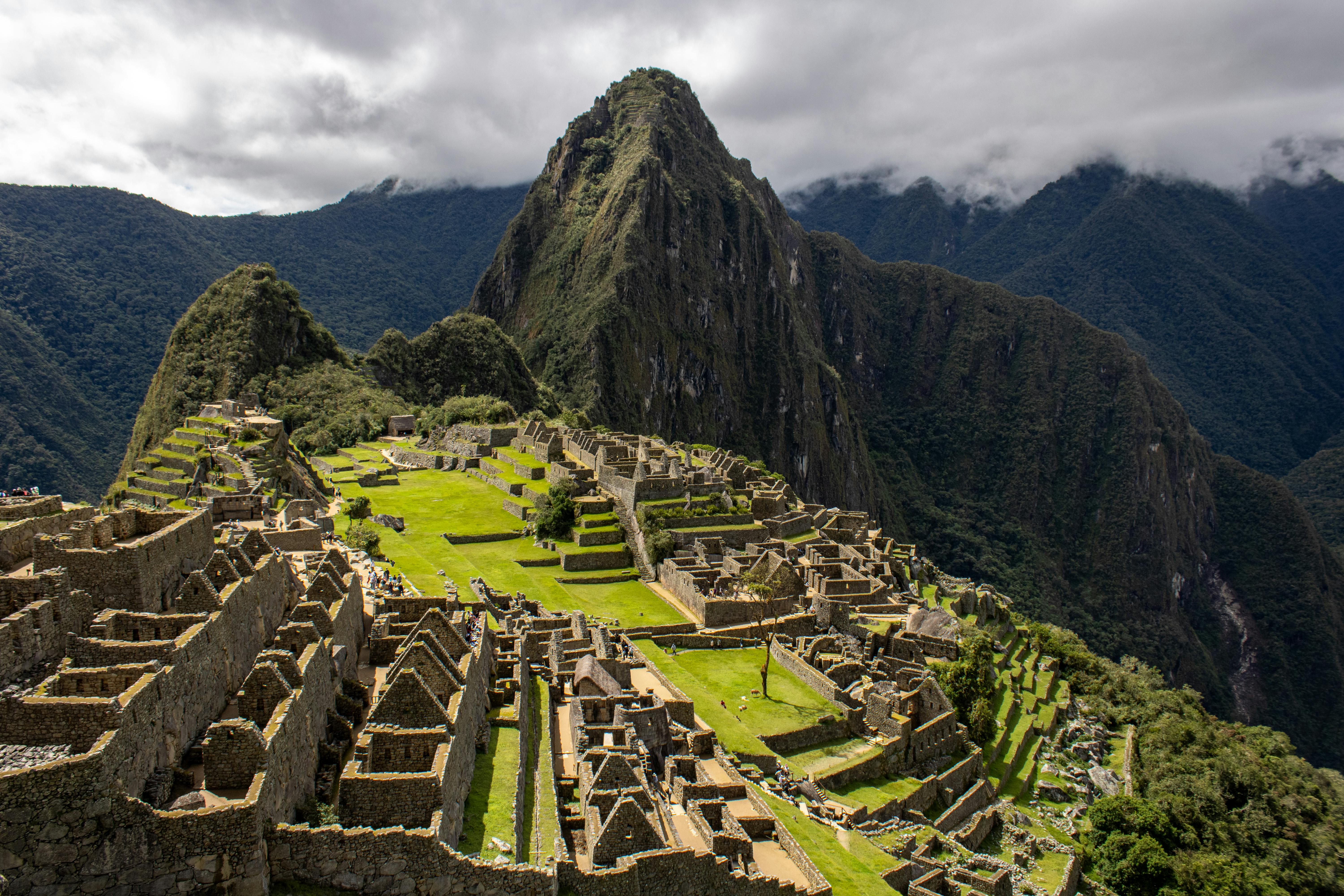
The main feature of the Temple of the Sun is its semicircular wall, built with precisely cut stones that fit together seamlessly without mortar, exemplifying Inca masonry craftsmanship. The temple’s curved shape aligns with the solstices, allowing sunlight to penetrate specific niches and illuminate carved stones during key astronomical events. Such alignments indicate the temple’s role in tracking solar movements and marking important calendar dates.
Inside the temple, a carved stone altar or niche is believed to have been used for offerings and rituals dedicated to the sun deity. The site’s design reflects a sophisticated understanding of the solar cycle, which was vital for agricultural planning and ceremonial activities. The temple’s elevated position also symbolizes its spiritual significance, serving as a bridge between the earthly and divine realms.
Visitors should allocate time to explore the temple’s intricate stonework and consider its astronomical alignments. The best times to visit are during the early morning or late afternoon when the sunlight enhances the temple’s features and creates a mystical atmosphere. Access is typically included in the general Machu Picchu ticket, but it’s recommended to arrive early to avoid crowds and experience the site’s serenity. The Temple of the Sun remains a powerful reminder of the Incas’ astronomical knowledge and their devotion to celestial deities, making it a must-see for those interested in ancient civilizations’ spiritual and scientific achievements.
Huayna Picchu
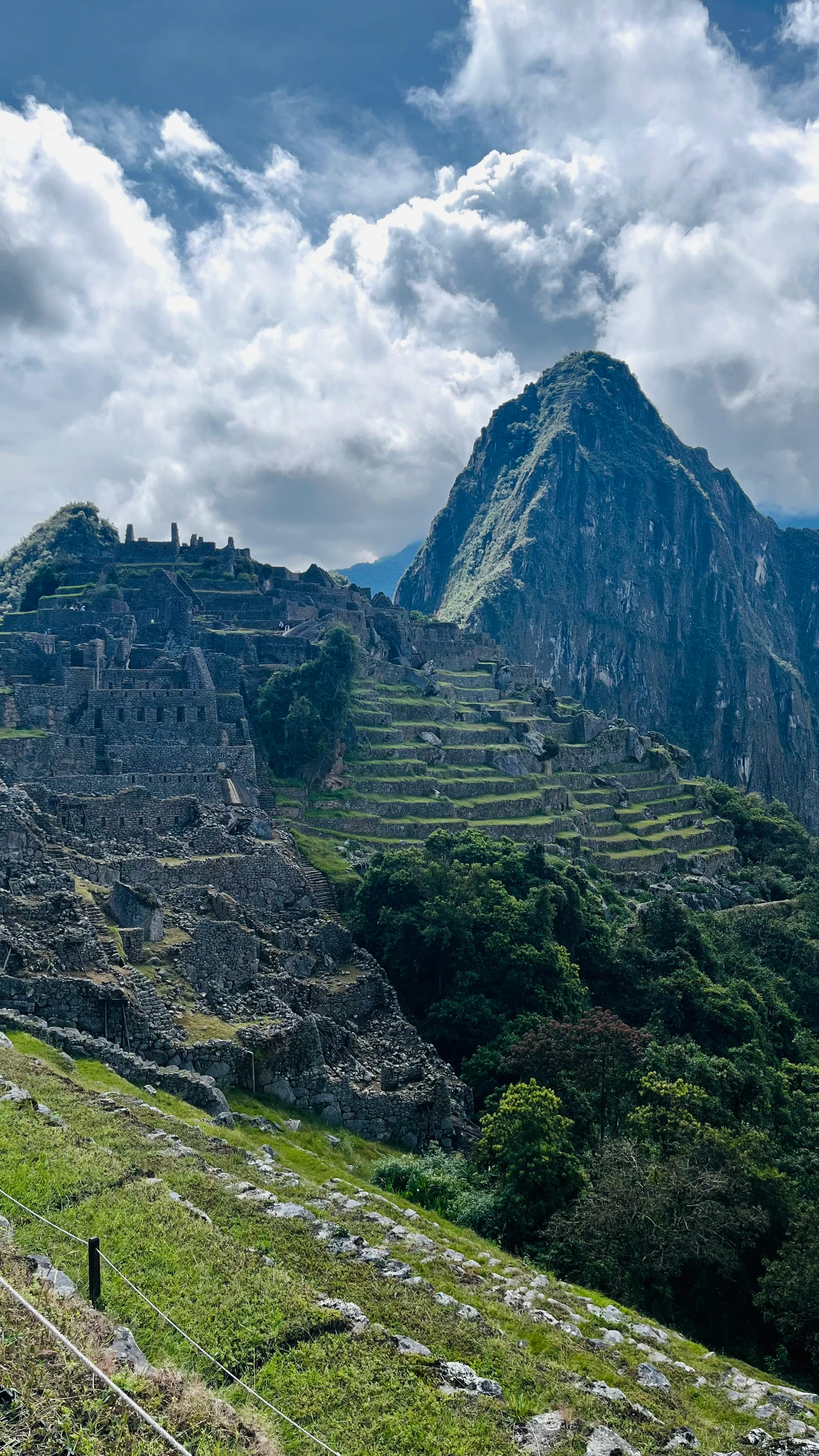
Huayna Picchu is the iconic mountain that towers over Machu Picchu, offering visitors a chance to experience breathtaking views and explore archaeological remains perched atop its slopes. Known for its steep ascent and rugged terrain, this peak is often considered the ultimate adventure for travelers seeking an immersive encounter with Inca engineering and natural beauty. Its name, which translates to “Young Peak,” reflects its youthful, jagged profile that dominates the landscape surrounding the citadel.
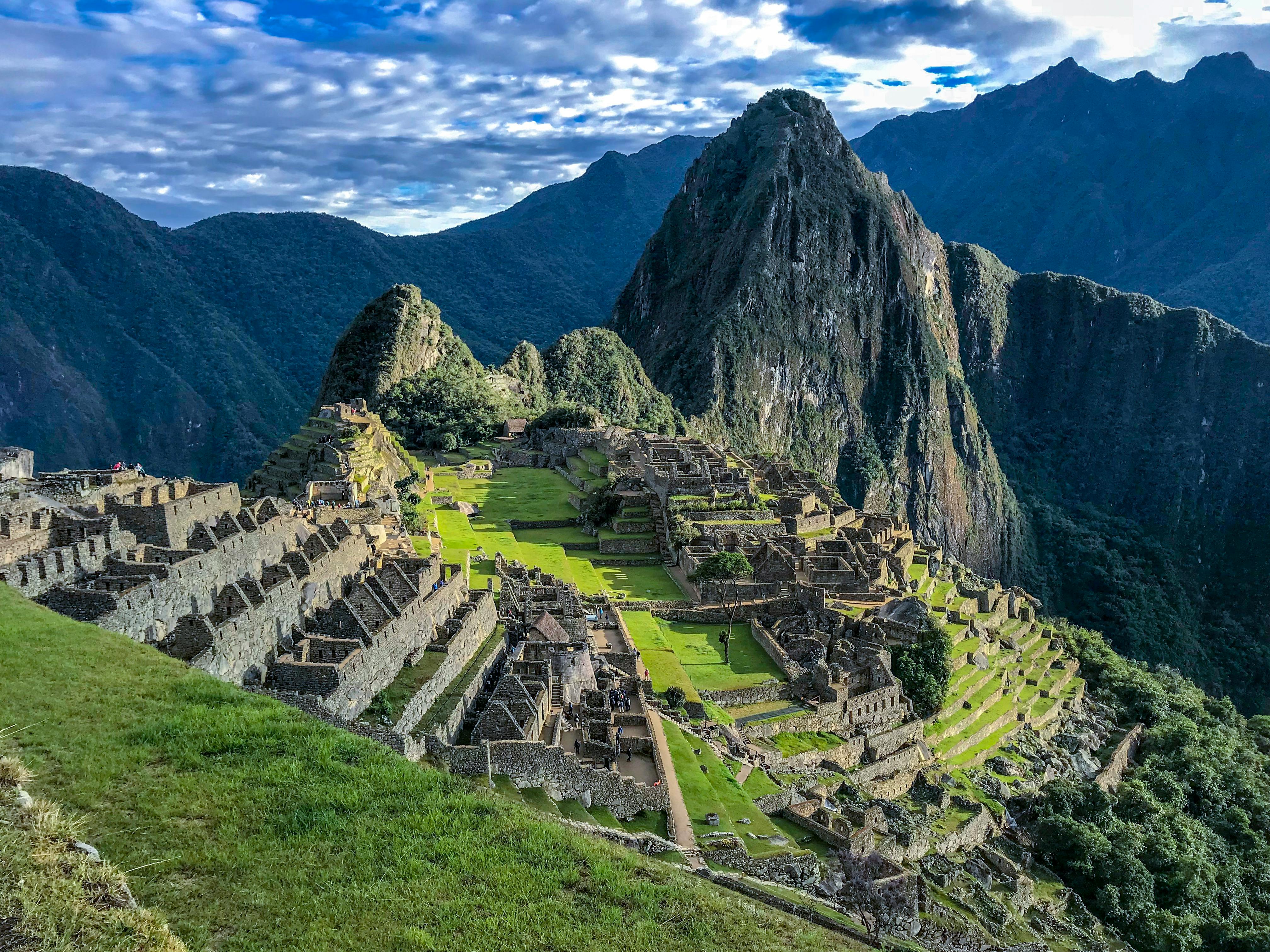
Huayna Picchu is located directly behind the main Machu Picchu site, accessible via a narrow, steep trail that requires moderate to high physical fitness. The climb takes approximately 45 minutes to an hour, depending on your pace, and offers panoramic vistas of the entire archaeological complex and the lush Urubamba River valley below. The summit is home to several ancient terraces, terraces, and stone structures, believed to have served as ceremonial or administrative areas during Inca times.
The trail to Huayna Picchu is famous for its challenging sections, including steep staircases and narrow pathways with sheer drops, making it a thrilling experience for adventure enthusiasts. Along the way, visitors can enjoy spectacular photo opportunities of Machu Picchu from above, capturing the site’s grandeur against the backdrop of the surrounding mountains. At the summit, a small archaeological site and terraces provide insight into Inca engineering ingenuity and their ability to adapt to steep terrain.
Because of its popularity, tickets to Huayna Picchu are limited and must be purchased well in advance. It’s advisable to start early in the morning, as the trail can become crowded later in the day. Visitors should wear sturdy shoes, bring water, and be prepared for a physically demanding hike. Reaching the top rewards travelers with unforgettable views and a profound sense of connection to the ancient Incas’ mastery of their environment. Visiting Huayna Picchu transforms a trip to Machu Picchu into an extraordinary adventure, offering a perspective that combines natural beauty, history, and adrenaline in one unforgettable experience.
Best Time to Visit Machu Picchu
Understanding the Climate and Seasons
Machu Picchu’s weather varies significantly throughout the year, influencing the visitor experience. The dry season, from May to September, offers clear skies and excellent visibility of the ruins, making it ideal for photography and exploring. Conversely, the rainy season, from November to March, brings frequent showers, lush greenery, and fewer crowds. Temperatures are generally mild year-round, but the rainy months can be damp and slippery, requiring appropriate gear.
Peak Tourist Seasons and Their Benefits
The peak season coincides with the dry months, especially June to August, which also align with the Southern Hemisphere’s winter holidays. During this period, the site is bustling with visitors, creating a lively atmosphere. Visiting during peak season ensures good weather and vibrant local festivities, but it also means crowds and higher prices for accommodations and permits. If you thrive on a lively environment and want optimal weather, this is the best time to go.
Advantages of Visiting During Off-Peak Months
Traveling in the shoulder seasons of April, May, or September offers a different experience. Fewer tourists mean more tranquility, better chances for intimate exploration, and often lower costs. However, travelers should be prepared for occasional rain and variable weather. Off-peak visits are perfect for those seeking a reflective experience of Machu Picchu’s wonders, away from the crowds, with the added benefit of more flexible booking options.
Summary of Pros and Cons
| Timing | Pros | Cons |
|---|---|---|
| Dry Season (May – September) |
|
|
| Rainy Season (November – March) |
|
|
| Shoulder Months (April, May, September) |
|
|
Ultimately, choosing the best time to visit Machu Picchu depends on your preferences for weather, crowd levels, and budget. Regardless of when you go, witnessing this wonder of the world promises an unforgettable experience that combines natural beauty with ancient mysteries.
How to Get to Machu Picchu: A Journey to One of the World’s Greatest Wonders
Reaching Machu Picchu, the iconic Lost City of the Incas, is an adventure that combines breathtaking scenery with rich history. Located high in the Peruvian Andes, this UNESCO World Heritage site attracts travelers from around the globe. While the journey may seem complex, understanding your transportation options ensures a smoother experience, allowing you to focus on marveling at one of the world’s most awe-inspiring wonders.
Transportation Options to Reach Machu Picchu
Flights to Peru
The first step in your journey is to fly into Peru. The primary international gateway is Jorge Chávez International Airport in Lima, the nation’s capital. From Lima, you can catch a domestic flight to Cusco, the gateway city to Machu Picchu. Several airlines operate daily flights, with durations of approximately 1 hour and 20 minutes. It’s advisable to book your tickets well in advance, especially during peak travel seasons, to secure the best rates and availability.
Traveling from Cusco to Machu Picchu
Once in Cusco, travelers have multiple options to reach Machu Picchu. The most popular route is to take the train, which offers scenic views and comfort. Trains depart from Cusco or from the nearby city of Ollantaytambo, heading towards Aguas Calientes, the town at the base of Machu Picchu. The train journey lasts approximately 3.5 to 4 hours, depending on the service chosen. It’s wise to reserve your tickets early, especially during high season, to secure your preferred departure times.
Public Transportation and Other Options
For those seeking flexibility, buses and taxis are available from Cusco to Ollantaytambo, where you can transfer to the train. Alternatively, adventurous travelers may consider hiking along the Inca Trail, which takes several days but offers a unique perspective on Inca history and stunning landscapes. For travelers with access to a vehicle, renting a car is an option, but note that driving in the Peruvian Andes requires experience and careful planning due to narrow mountain roads.
Travel Tips and Important Information
- Always check the weather forecast; rain can make the journey more challenging.
- Book train tickets and entrance passes to Machu Picchu months in advance, especially during peak seasons (May to September).
- Arrive early in Aguas Calientes to beat the crowds and enjoy a more serene experience at the site.
- Consider purchasing a combined ticket that includes Huayna Picchu or Machu Picchu Mountain for spectacular views.
- Keep in mind altitude sickness; spend a day acclimatizing in Cusco before heading to Machu Picchu.
Getting to Machu Picchu: A Journey of Wonder
Traveling to Machu Picchu is not just about reaching a destination—it’s about immersing yourself in a wonder of the world. Whether you prefer flying, scenic train rides, or adventurous hikes, each option offers a unique perspective on this ancient marvel. Proper planning and early reservations will ensure your journey remains as memorable as the site itself.
Rent a Bicycle
Best Places to Stay in Machu Picchu: Accommodations for Every Budget
Visiting Machu Picchu is a once-in-a-lifetime experience, and choosing the right place to stay can elevate your journey into a true wonder of the world. Whether you seek luxury, comfort, or affordability, the region offers a diverse range of accommodations that complement the awe-inspiring landscape and rich history. Here, we explore top options across different budgets, ensuring your stay enhances your exploration of this legendary site.
Luxury Options: Indulge in the Ultimate Experience
For travelers who desire an opulent retreat, the luxury hotels near Machu Picchu provide world-class amenities and breathtaking views. These establishments often feature spa services, gourmet dining, and personalized concierge services, making your visit both comfortable and memorable.
- Belmond Sanctuary Lodge
- Inkaterra Machu Picchu Pueblo Hotel
This exclusive hotel sits just steps from the entrance to Machu Picchu, offering unmatched proximity. Guests enjoy luxurious rooms with panoramic mountain views, a lush garden setting, and a refined restaurant. Staying here means waking up to the wonder of Machu Picchu every morning, truly immersing yourself in the site’s majesty.
Set in a private nature reserve, this hotel combines luxury with eco-conscious design. Its beautifully appointed casitas blend seamlessly into the lush surroundings, providing a peaceful escape after a day of exploring. The hotel’s holistic approach to wellness and sustainable practices makes it a top choice for discerning travelers seeking harmony with nature.
Mid-Range Options: Comfort with a Touch of Adventure
If you prefer a balance of comfort and affordability, several mid-range hotels offer cozy accommodations with excellent amenities. These options often include comfortable rooms, reliable Wi-Fi, and convenient access to local attractions, making them perfect for explorers wanting to experience Machu Picchu without splurging.
- Hotel Sumaq Machu Picchu
- Tierra Viva Machu Picchu
This boutique hotel offers elegant rooms, a rooftop terrace with stunning views, and a renowned restaurant serving Peruvian cuisine. Its friendly service and central location make it an ideal base for visiting the archaeological site and exploring Aguas Calientes.
Known for its warm hospitality and modern decor, Tierra Viva provides comfortable, well-equipped rooms at a reasonable price. Its proximity to train stations and bus stops ensures easy access to Machu Picchu and surrounding attractions.
Budget Options: Affordable Comfort for Every Traveler
Travelers on a tighter budget can still enjoy a comfortable stay near Machu Picchu. Hostels and guesthouses offer basic amenities with a friendly atmosphere, allowing you to focus on marveling at the wonder of the world without overspending.
- Supertramp Hostel
- Inka Backpackers Hostel
This popular hostel provides clean dorms and private rooms, along with communal spaces perfect for meeting fellow travelers. Its central location in Aguas Calientes makes it easy to catch early buses to Machu Picchu.
Offering budget-friendly rates, this hostel features simple accommodations, free Wi-Fi, and a welcoming environment. It’s an excellent choice for backpackers eager to explore one of the greatest wonders of the world without breaking the bank.
In conclusion, whether you choose luxurious indulgence, mid-range comfort, or budget-friendly simplicity, the right accommodation can make your visit to Machu Picchu truly extraordinary. Each option offers a unique way to experience the wonder of the world, enriching your journey through history, nature, and culture.
Essential Travel Products for Visiting Machu Picchu
1. Eco-Friendly Travel Backpack with Hydration System
For explorers venturing to the awe-inspiring ruins of Machu Picchu, a durable and functional backpack is indispensable. The Osprey Talon 22 Hydration Pack combines lightweight design with maximum utility. Crafted from eco-friendly recycled materials, this pack offers a perfect balance of comfort and sustainability. Its ergonomic shoulder straps and adjustable sternum strap ensure a snug fit, even during long hikes through rugged terrain.
This backpack features a built-in hydration reservoir, typically holding up to 2 liters of water, which allows travelers to stay hydrated without stopping frequently. Multiple compartments enable easy organization of essentials such as snacks, camera gear, and a light jacket. Its weather-resistant fabric protects belongings from unexpected rain, common in the Andean climate.
Where to buy: Available on Osprey’s official website, Amazon, and outdoor specialty stores worldwide. Investing in this backpack ensures comfort, eco-consciousness, and convenience during your exploration of Machu Picchu’s breathtaking vistas.
2. Portable Power Bank with Solar Charging
Capturing the grandeur of Machu Picchu often involves extensive photography, making a reliable power source essential. The Anker PowerPort Solar Lite offers a practical solution. This portable solar charger features high-efficiency solar panels that convert sunlight into electricity, enabling travelers to recharge devices even in remote areas where power outlets are scarce.
Its compact design, lightweight construction, and rugged exterior make it perfect for outdoor adventures. The PowerPort Solar Lite can charge smartphones, GPS devices, and small cameras, ensuring you never miss a shot or lose navigation. Additionally, it includes multiple USB ports, allowing simultaneous charging of several devices.
Where to buy: Find it on Anker’s official site, Amazon, or electronic retailers. This device ensures your devices stay powered throughout your journey, allowing you to focus on experiencing the wonders of Machu Picchu without worry.
Find smart travel solutions on Amazon
Guides to the Wonders of Machu Picchu: Books for the Curious Traveler
1. “Machu Picchu: The History and Mysteries of the Lost City” (Kindle Unlimited & Audible)
This comprehensive guide delves into the fascinating history, archaeology, and cultural significance of Machu Picchu. It explores the theories behind its construction, purpose, and abandonment, providing travelers with a deeper understanding of this iconic wonder. The narrative combines scholarly research with engaging storytelling, making it perfect for those who want context before visiting.
Using this book, visitors can appreciate the site’s architectural marvels and the ingenuity of the Inca civilization. It also highlights recent archaeological discoveries, adding fresh insights to your journey. Available on Kindle Unlimited and Audible, it allows for flexible listening or reading, ideal for preparing for your trip or reminiscing afterward.
2. “The Ultimate Guide to Machu Picchu” (Kindle Unlimited & Audible)
This book offers practical advice for travelers, including best times to visit, ticketing tips, and recommended routes. It covers logistical aspects such as transportation, permits, and nearby attractions, helping visitors plan an efficient and enjoyable trip. The guide also features vivid descriptions of the site’s most photogenic spots and hidden corners that often go unnoticed.
Readers can benefit from insider tips on avoiding crowds, choosing the right tours, and understanding local customs. Its detailed maps and itineraries make it an essential resource for first-time visitors and seasoned travelers alike, available on Kindle Unlimited and Audible for easy access.
3. “Machu Picchu: A Journey Through Time” (Kindle Unlimited & Audible)
This narrative takes travelers on a poetic journey through Machu Picchu’s history, landscape, and spiritual significance. It combines historical facts with personal stories and legends, creating an immersive experience. This book is perfect for those seeking a reflective and culturally enriching perspective on the site.
Listening to or reading this work can deepen your appreciation of Machu Picchu’s enduring mystery and spiritual aura. It encourages visitors to connect emotionally with the site, transforming a sightseeing trip into a meaningful exploration of wonder and heritage. Available on Kindle Unlimited and Audible, it complements your physical visit with a soulful narrative.
In summary, whether you’re equipped with the right gear or inspired by compelling literature, these products and books will enhance your journey to Machu Picchu. They help you experience the wonder not just visually, but intellectually and emotionally, enriching your understanding of one of the world’s greatest marvels.
Explore with confidence! Audible offers audiobooks that bring destinations to life, from cultural insights to must-see landmarks. Try it free for a month and travel smarter!
Frequently Asked Questions About the Historic and Cultural Wonders of Machu Picchu
What is the historical significance of Machu Picchu?
Machu Picchu is an iconic symbol of the Inca Empire, believed to have been constructed in the mid-15th century. It served as a royal estate, religious site, and strategic military outpost. Its sophisticated stonework and architecture showcase the advanced engineering skills of the Incas. The site remained largely unknown to the outside world until American explorer Hiram Bingham rediscovered it in 1911. Today, Machu Picchu stands as a testament to Inca ingenuity and is recognized as a UNESCO World Heritage Site. Visiting this wonder offers a glimpse into a civilization that mastered agriculture, astronomy, and architecture, leaving behind a legacy that continues to fascinate travelers and historians alike.
When is the best time to visit Machu Picchu?
The ideal time to visit Machu Picchu is during the dry season, which runs from late April to early October. During these months, the weather is generally sunny, and rainfall is minimal, making trekking and exploration more comfortable. However, this is also the peak tourist season, so expect larger crowds. Conversely, the shoulder months of April and October offer a good balance of decent weather and fewer visitors. The rainy season, from November to March, can bring heavy rains, which might hinder visibility and trail conditions, but it also results in fewer tourists and lush, vibrant landscapes. Planning ahead ensures you can enjoy the site at your preferred time with optimal safety and comfort.
How do I get to Machu Picchu?
Reaching Machu Picchu typically involves a combination of travel methods. Most visitors fly into Cusco, the historic capital of the Inca Empire, and then take a train to Aguas Calientes, the town closest to the ruins. From Aguas Calientes, a short bus ride or hike takes you up to the archaeological site. Alternatively, adventurous travelers can trek the Inca Trail, a four-day hike that culminates at Machu Picchu, offering an immersive experience of Inca history and breathtaking scenery. It’s essential to book train tickets and permits for the Inca Trail well in advance, especially during peak seasons, to ensure a smooth journey to this wonder of the world.
Are there any restrictions or permits required to visit Machu Picchu?
Yes, visiting Machu Picchu requires careful planning regarding permits and regulations. Daily visitor limits are enforced to preserve the site’s integrity, with around 2,500 visitors allowed each day. If you plan to hike the Inca Trail, you must secure a permit months ahead, as these are limited and highly competitive. Additionally, visitors are restricted from climbing certain areas, such as the Huayna Picchu and Machu Picchu mountains, which require separate permits. It’s advisable to book your tickets through authorized agencies and follow all guidelines to ensure a respectful and safe visit. Respecting these restrictions helps preserve the site for future generations.
What should I know about preserving the site during my visit?
Respect for Machu Picchu’s cultural and natural environment is crucial. Visitors should stay on designated paths, avoid touching or climbing on the stones, and refrain from removing artifacts or souvenirs. Wearing eco-friendly footwear helps minimize erosion, and carrying out all trash contributes to the site’s preservation. Guided tours are recommended, as they provide insightful context while ensuring visitors adhere to conservation rules. By practicing responsible tourism, you help maintain Machu Picchu’s status as a wonder of the world, allowing future generations to marvel at its timeless beauty and historical significance.
Experience the Wonder
Exploring Machu Picchu is more than just sightseeing; it’s an immersion into a remarkable chapter of human history. The site’s breathtaking vistas, intricate stonework, and mysterious aura make it one of the most awe-inspiring wonders in the world. Whether you’re marveling at its engineering, learning about Inca culture, or simply soaking in the panoramic views, Machu Picchu continues to captivate travelers and remind us of humanity’s extraordinary achievements.
Earn cashback on every aspect of your trip – from flights and hotels to car rentals and shopping. It’s free and simple to sign up!
Discover the Lasting Legacy of Machu Picchu
As we explore the marvels of Machu Picchu, it’s evident why this site remains one of the most captivating wonders of the world. Its intricate stonework, breathtaking vistas, and mysterious history continue to inspire travelers and scholars alike. This ancient Incan citadel not only exemplifies extraordinary engineering and architectural achievement but also embodies a cultural legacy that has endured for centuries.
From its strategic location high in the Peruvian Andes to its significance as a spiritual and political hub, Machu Picchu offers a unique glimpse into a civilization that thrived centuries ago. The site’s preservation allows us to connect with the ingenuity and resilience of the Incas, fostering a deeper appreciation for their achievements. Moreover, the surrounding natural beauty, with lush greenery and panoramic mountain views, enhances its appeal as a destination that seamlessly blends history with nature.
Why You Should Explore Further
- Experience the awe-inspiring sunrise over the ruins
- Learn about Incan culture through guided tours and exhibits
- Embark on scenic hikes like the Inca Trail or the Salkantay Trek
- Immerse yourself in local traditions and vibrant markets nearby
Planning your visit now allows you to experience this wonder firsthand. Whether you’re a history enthusiast, an adventure seeker, or a cultural explorer, Machu Picchu offers an unforgettable journey. Let this site ignite your curiosity and inspire your travels. Discover the magic of a place that continues to captivate the world, and create your own stories amid its timeless stones.
Are you entitled to compensation for a delayed flight?