Discover the Historic and Cultural Wonders of Kyoto
Nestled in the heart of Japan, Kyoto stands as a testament to centuries of rich history, tradition, and artistry. Once the imperial capital, it remains a vibrant hub where ancient temples, traditional tea houses, and serene gardens coexist with modern life. Renowned for its well-preserved architecture and sacred sites, Kyoto offers travelers a unique glimpse into Japan’s glorious past and enduring cultural identity. This city is not just a destination but a living museum, where every corner tells a story of imperial grandeur, spiritual devotion, and artistic mastery.
In this article, you will embark on a journey through Kyoto’s most iconic wonders, exploring why it is considered one of the world’s greatest cultural treasures. From awe-inspiring temples to historic districts, we will highlight what makes Kyoto an essential stop for travelers seeking authentic and unforgettable experiences. Prepare to uncover the magic of a city that continues to enchant visitors with its timeless beauty and cultural significance.
No credit card? No problem – start your free Prime trial now.
Kinkaku-ji
Located in the northern part of Kyoto, Kinkaku-ji, also known as the Golden Pavilion, stands as one of Japan’s most iconic and breathtaking sights. This Zen Buddhist temple is renowned for its stunning architecture, which is covered in shimmering gold leaf that reflects beautifully on the surrounding mirror-like pond. Originally built in the 14th century as a retirement villa for shogun Ashikaga Yoshimitsu, it was later transformed into a Zen temple. Today, Kinkaku-ji is a UNESCO World Heritage Site and a symbol of Kyoto’s rich cultural heritage.
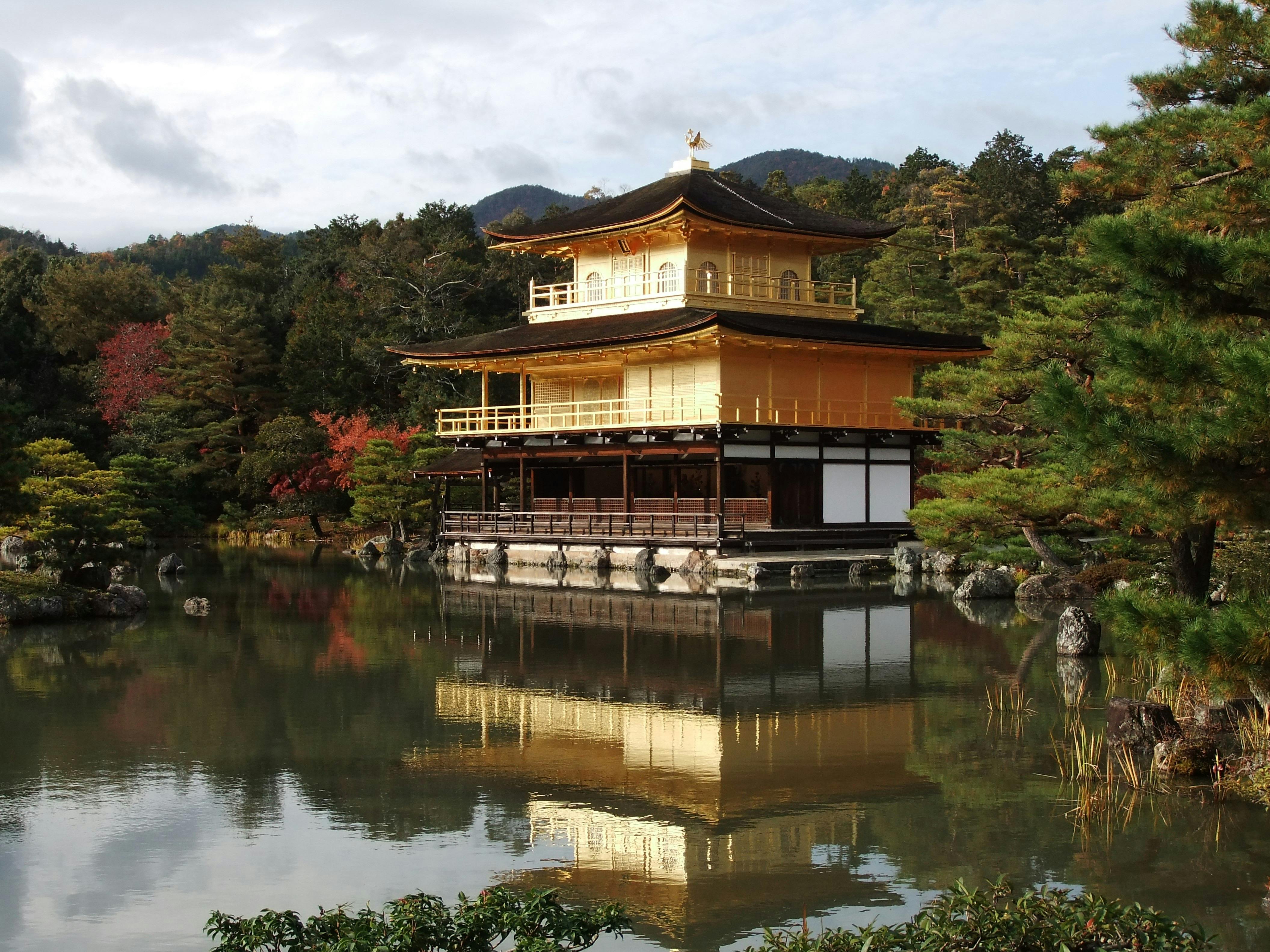
The main structure of Kinkaku-ji is a three-story building, each floor showcasing a different architectural style, blending Japanese, Chinese, and Zen influences. The top two levels are entirely covered in gold leaf, creating a dazzling effect that draws visitors from around the world. The pavilion is set amidst meticulously maintained gardens and a large pond, which creates a picturesque setting that seems almost otherworldly. Visitors can enjoy a leisurely stroll around the pond, taking in views of the pavilion from various angles, each offering a unique perspective of its shimmering beauty.
Practical information for visitors includes opening hours from early morning to evening, with the best times to visit being early in the morning or late in the afternoon to avoid crowds. An entrance fee is required, and guided tours are available for those interested in the detailed history and symbolism behind the temple. Accessibility is good, with pathways designed for easy walking, though some areas may be less suitable for visitors with mobility issues.
Visiting Kinkaku-ji is more than just seeing a beautiful building; it’s an immersion into Japan’s artistic and spiritual traditions. The temple’s reflection on the pond, especially during sunrise or sunset, offers an almost surreal experience. Whether you’re a lover of history, architecture, or simply seeking a moment of serenity, Kinkaku-ji is undeniably a wonder of the world that captures the essence of Kyoto’s timeless charm.
Fushimi Inari Taisha
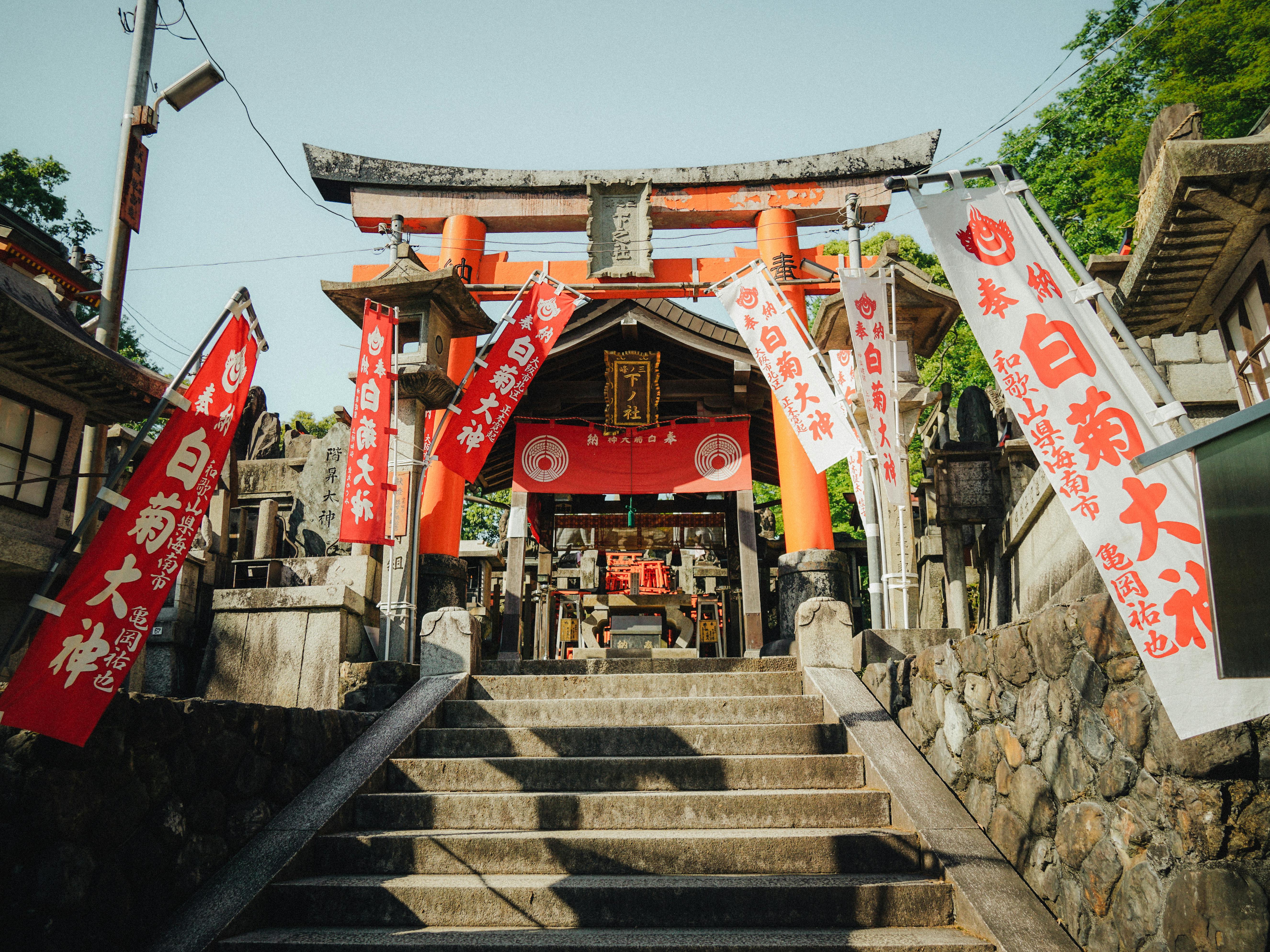
Situated at the southern end of Kyoto, Fushimi Inari Taisha is one of Japan’s most revered Shinto shrines. Famous for its thousands of vibrant red torii gates that create a seemingly endless tunnel, this shrine is dedicated to Inari, the deity of rice, prosperity, and business. Founded over 1,300 years ago, Fushimi Inari has become a symbol of spiritual significance and cultural heritage in Kyoto. Its striking visual appeal and spiritual ambiance make it a must-visit destination for travelers seeking a deeper understanding of Japanese tradition.
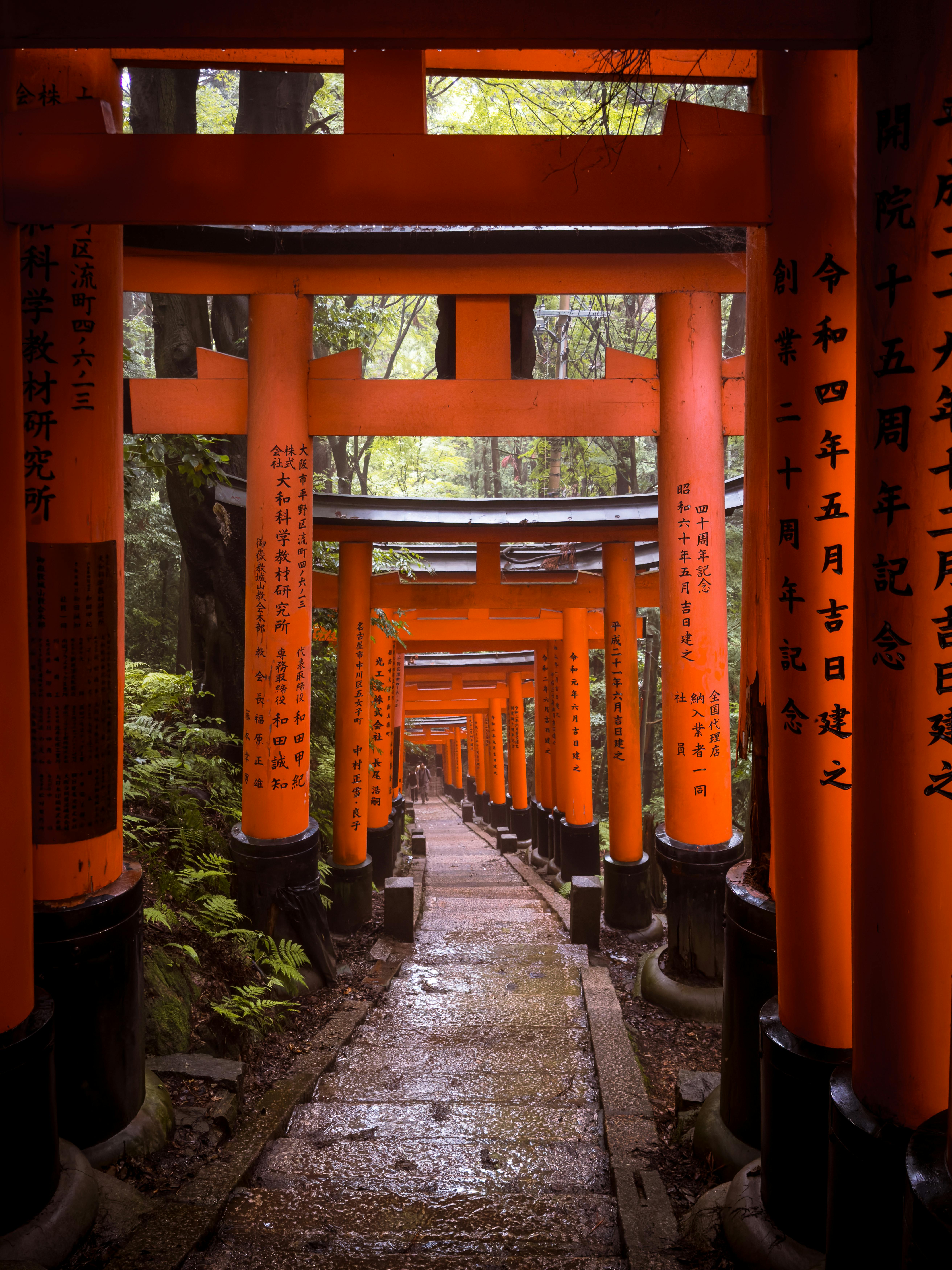
The main entrance features a large torii gate that marks the start of a network of pathways winding through the sacred Mount Inari. These paths are lined with thousands of smaller torii gates, each donated by individuals or companies, creating a breathtaking corridor of crimson that stretches up the mountain. As visitors ascend, they encounter smaller shrines, statues of foxes (considered messengers of Inari), and stone lanterns, all contributing to the shrine’s mystical atmosphere. The hike to the summit takes about 30 to 40 minutes, offering panoramic views of Kyoto and the surrounding landscape.
Practical tips for visitors include wearing comfortable shoes suitable for walking uphill and carrying water, especially during warmer months. The shrine is open year-round, with no admission fee, making it accessible at any time. Early mornings or late afternoons are ideal for avoiding crowds and experiencing a more tranquil atmosphere. Photography is highly recommended, particularly of the torii tunnels and the lush greenery that surrounds the trails. Visiting Fushimi Inari is not just about sightseeing; it’s about experiencing a living spiritual tradition that has been cherished for centuries. The journey through the thousands of gates offers a sense of connection, serenity, and awe that truly embodies the wonder of Kyoto’s spiritual landscape.
Kiyomizu-dera
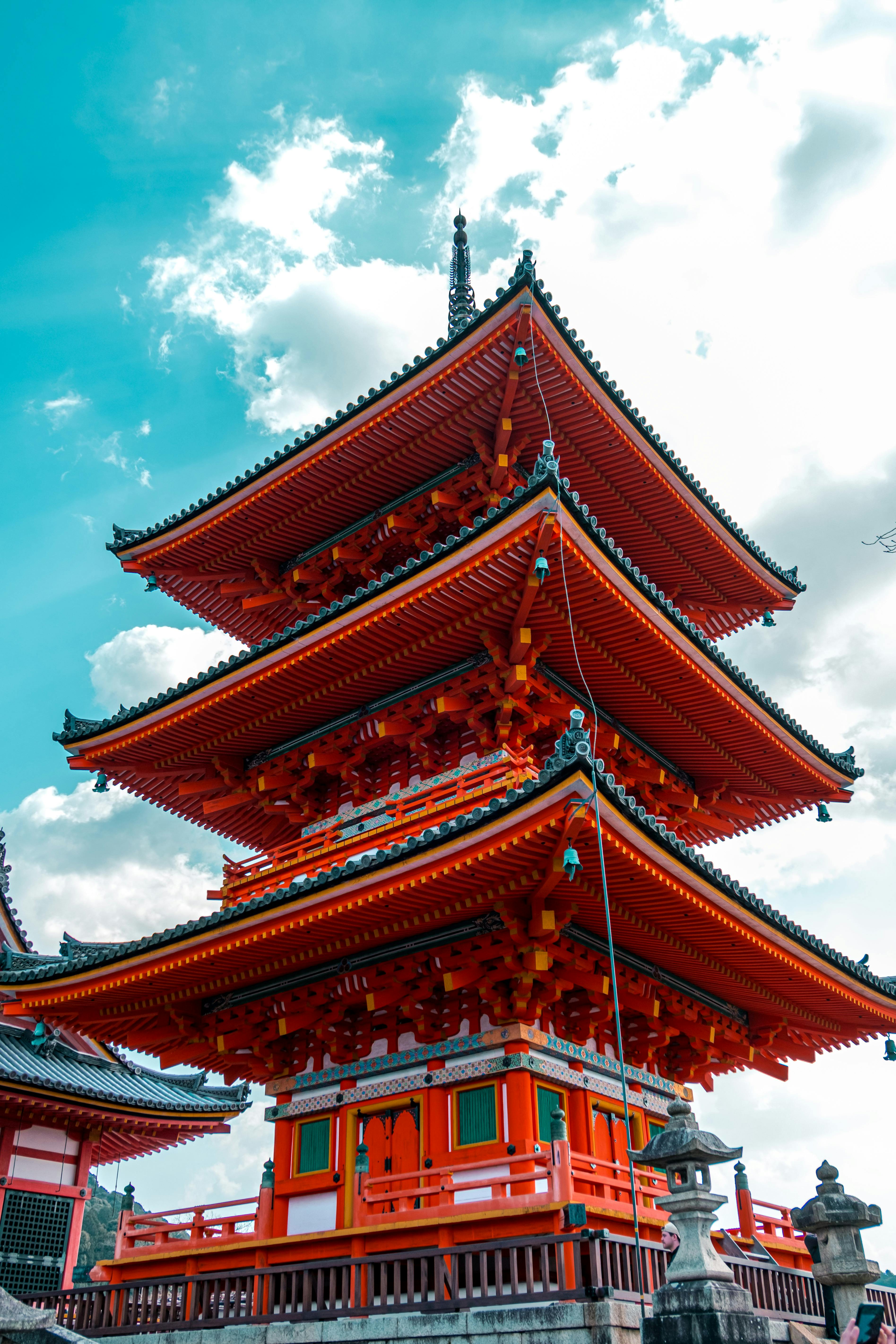
Perched on the hillside in eastern Kyoto, Kiyomizu-dera is an architectural marvel and one of Japan’s most celebrated temples. Founded in 778, this historic site is renowned for its massive wooden stage that juts out from the main hall, offering spectacular views of cherry blossoms in spring and colorful foliage in autumn. The temple’s name, meaning “Pure Water Temple,” derives from the Otowa Waterfall, whose waters are believed to grant health, longevity, and success. A UNESCO World Heritage Site, Kiyomizu-dera embodies Kyoto’s spiritual and cultural heritage, drawing millions of visitors each year.
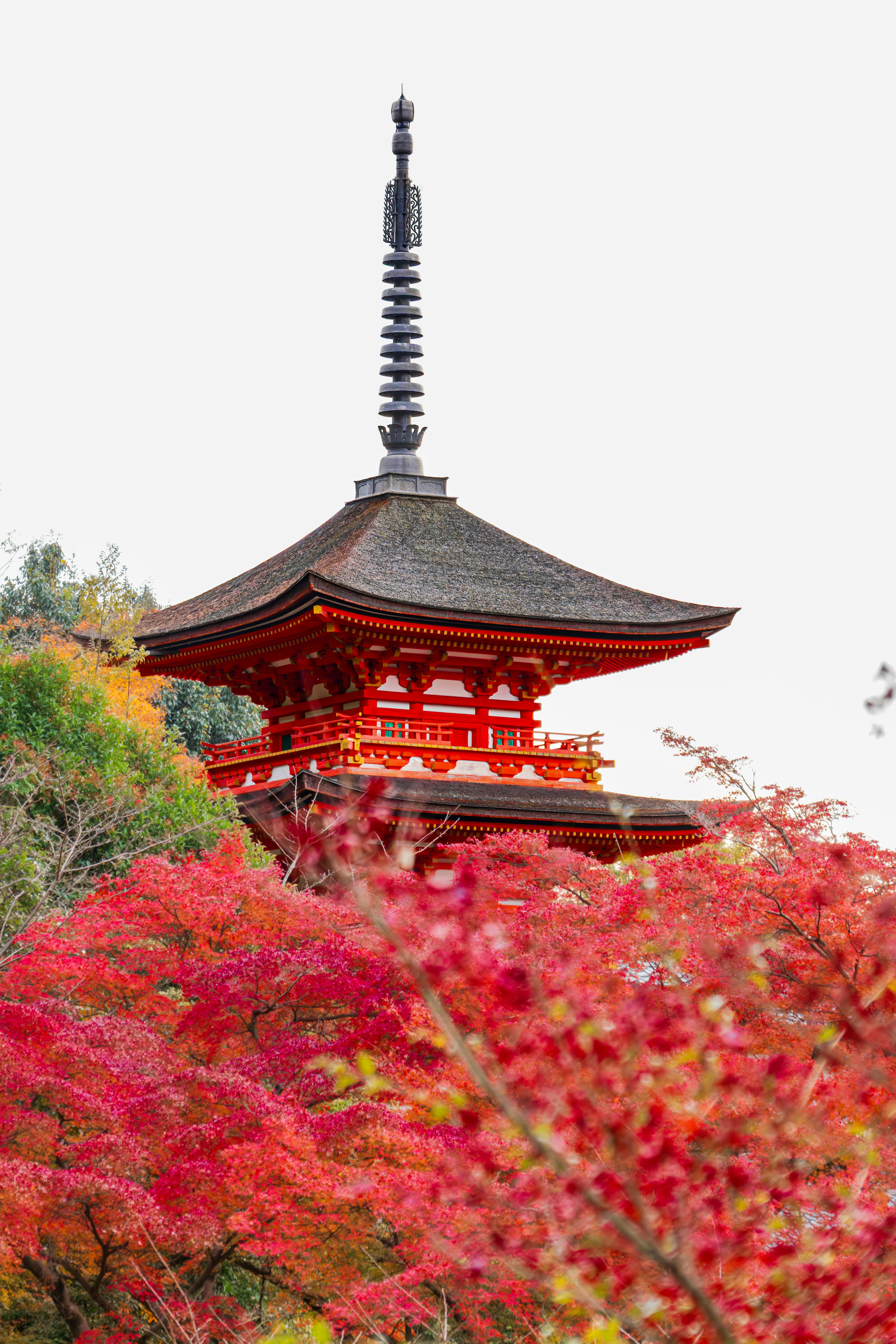
The main hall, constructed without nails using traditional Japanese joinery, is a breathtaking feat of engineering. Its large veranda, supported by hundreds of wooden pillars, provides a panoramic view of the city below and the surrounding hills. Visitors can explore the temple grounds, which include smaller halls, pagodas, and the Jishu Shrine dedicated to love and matchmaking. The temple’s grounds are especially lively during seasonal festivals and the cherry blossom season, when the scenery becomes a vibrant tapestry of pink and white blossoms.
Practical information for visitors includes opening hours from morning to evening, with an entrance fee for the main hall. The site can be crowded, particularly during peak seasons, so early mornings are recommended for a more peaceful experience. Comfortable footwear is advised due to the uneven pathways and stairs. The approach to Kiyomizu-dera through the historic Sannenzaka and Ninenzaka streets offers a charming glimpse into traditional Kyoto, with shops selling souvenirs, sweets, and crafts. Visiting Kiyomizu-dera is more than just admiring its architecture; it’s about immersing oneself in a spiritual journey surrounded by natural beauty and historical significance. The temple’s breathtaking vistas and serene atmosphere make it a true wonder of the world, capturing the essence of Kyoto’s timeless charm and spiritual depth.
Best Time to Visit Kyoto
Understanding the Climate and Seasonal Highlights
Kyoto experiences four distinct seasons, each offering unique charms for travelers. Spring (March to May) is renowned for cherry blossoms, creating a breathtaking wonder of the world that draws millions. Summer (June to August) can be hot and humid, but it also features vibrant festivals and lush greenery. Autumn (September to November) transforms the city into a tapestry of red and gold foliage, making it a visual marvel. Winter (December to February) is quieter, with crisp air and occasional snow, ideal for exploring temples and enjoying hot springs.
Peak Tourist Seasons and Their Drawbacks
The most popular times to visit are during the cherry blossom season in spring and the autumn foliage period. During these peak times, attractions are crowded, accommodations fill quickly, and prices tend to rise. While the weather is generally pleasant, the influx of tourists can diminish the sense of serenity that makes Kyoto special. Planning well in advance is essential if visiting during these seasons to secure accommodations and avoid long queues.
Off-Peak Benefits and Practical Tips
Visiting during the shoulder seasons—late winter and early spring or late autumn—offers a more tranquil experience. These periods typically see fewer tourists, lower prices, and more personalized encounters with local culture. The weather remains manageable, and many attractions are less crowded, allowing for a more immersive experience. Travelers should consider these times if they wish to explore Kyoto’s wonders at a relaxed pace and capture authentic photographs without crowds.
Summary of Pros and Cons
| Season | Pros | Cons |
|---|---|---|
| Spring (March-May) | Spectacular cherry blossoms, ideal weather, vibrant festivals | Crowds are large, accommodations fill quickly, prices rise |
| Autumn (September-November) | Stunning foliage, pleasant temperatures, fewer tourists | Shorter daylight hours, some attractions may close early |
| Winter (December-February) | Quiet atmosphere, clear skies, lower prices | Cold weather, some sites may have limited hours |
| Summer (June-August) | Festivals, lush landscapes, longer days | Hot, humid, crowded during festivals, risk of rain |
Ultimately, the best time to visit Kyoto depends on your preferences—whether you seek vibrant festivals and blossoms or prefer peaceful exploration. Considering weather, crowd levels, and your interests can help you choose the season that allows you to best experience Kyoto’s wonders.
Getting to Kyoto: Your Gateway to Japan’s Cultural Wonders
Kyoto, renowned for its timeless temples, lush gardens, and rich history, is a must-visit destination for travelers exploring the wonders of the world. Reaching Kyoto involves choosing from various transportation options, each offering a unique experience that complements your journey into Japan’s cultural heart. Whether arriving from international destinations or nearby cities, understanding the best ways to get there can significantly enhance your travel experience.
Flights to Kyoto
The most convenient way for international travelers to reach Kyoto is by flying into Japan. The closest major airport is Kansai International Airport (KIX), located approximately 75 kilometers from Kyoto. Many international airlines operate flights to Kansai from major hubs like Tokyo, Seoul, and Beijing. From Kansai, you can take a direct train or bus to Kyoto, which takes around 75 minutes. Alternatively, Osaka’s Kansai Airport often offers more flight options and can serve as a gateway for travelers heading to Kyoto.
Travel by Train
Japan’s extensive rail network offers an efficient and scenic way to reach Kyoto. The Shinkansen, or bullet train, is the fastest and most popular option. The Tokaido Shinkansen connects Tokyo to Kyoto in approximately 2 hours and 20 minutes, with frequent departures throughout the day. The train ride offers stunning views of Mount Fuji and the Japanese countryside, making it a memorable part of your journey. For travelers coming from other parts of Japan, regional trains also connect Kyoto to cities like Osaka, Nagoya, and Hiroshima.
Bus and Coach Services
Long-distance buses provide a budget-friendly alternative, especially for travelers coming from nearby cities or regions. Several companies operate overnight and daytime services to Kyoto from Tokyo, Osaka, and other major cities. While buses take longer—often 8 to 10 hours—they offer a scenic and relaxed travel experience, ideal for those wanting to enjoy Japan’s landscapes at a leisurely pace.
Car Rentals for Flexible Travel
If you prefer the freedom of exploring at your own pace, renting a car is a viable option. However, remember that driving in Japan requires an International Driving Permit, and parking within Kyoto can be limited and costly. Renting a car allows you to explore the outskirts of Kyoto and visit lesser-known wonders beyond the city limits. Keep in mind that Japan drives on the left side of the road, and traffic rules are strictly enforced.
Useful Travel Tips and Important Information
- Advance booking for flights and trains can secure better prices and availability, especially during peak seasons like cherry blossom and autumn foliage.
- Consider purchasing a Japan Rail Pass if planning multiple train journeys; it offers unlimited travel on JR lines, including the Shinkansen.
- Check the weather forecast before your trip to choose appropriate clothing and plan for possible transportation delays due to weather conditions.
- Always have your travel documents, including passports and visas, easily accessible, especially when transferring between different transportation modes.
By understanding these transportation options and tips, your journey to Kyoto will be smooth and enriching, setting the perfect tone for discovering the city’s extraordinary wonders.
Rent a Bicycle
Best Places to Stay in Kyoto: A Journey Through the City’s Hospitality Wonders
Kyoto, often regarded as the heart of Japan’s cultural and historical treasures, offers a diverse range of accommodations that reflect its timeless beauty. Whether you seek opulent luxury, comfortable mid-range options, or budget-friendly stays, Kyoto’s hospitality scene ensures that every traveler can experience its wonders in style. Here, we explore the best places to stay across different budgets, each offering a unique gateway into Kyoto’s enchanting world.
Luxury Stays: Experiencing Kyoto’s Regal Heritage
For those who wish to immerse themselves in the city’s regal history, luxury hotels provide an unrivaled experience. The Four Seasons Hotel Kyoto exemplifies this with its harmonious blend of modern elegance and traditional Japanese design. Located near the Kamogawa River, it offers spacious rooms with private gardens, exquisite spa services, and Michelin-starred dining. Staying here feels like stepping into a living masterpiece, where every detail echoes Kyoto’s artistic legacy.
Another exceptional choice is the Hyatt Regency Kyoto. Nestled close to Nijo Castle, this hotel boasts contemporary luxury with subtle nods to Kyoto’s imperial past. Its serene ambiance, combined with luxurious amenities and panoramic views of the city, makes it ideal for travelers seeking a regal experience intertwined with the city’s wonders.
Mid-Range Options: Comfort with Cultural Charm
If you prefer comfort without the extravagance, Kyoto offers several well-curated mid-range hotels. The Hotel Granvia Kyoto stands out as a prime choice, situated directly above Kyoto Station. This location provides effortless access to the city’s historic sites and beyond, making it perfect for explorers eager to uncover Kyoto’s wonders. The hotel features modern rooms, a variety of dining options, and a welcoming atmosphere that balances convenience with comfort.
Additionally, The Royal Park Hotel Kyoto Sanjo offers a boutique experience in the city center. Its stylish interiors, friendly staff, and proximity to key attractions like Nishiki Market make it a favorite among travelers who want to experience Kyoto’s vibrant culture without sacrificing comfort.
Budget-Friendly Gems: Discovering Kyoto on a Dime
For adventurous travelers and budget-conscious visitors, Kyoto’s hostels and guesthouses provide authentic, affordable stays. The K’s House Kyoto is renowned for its welcoming environment and clean, comfortable dorms and private rooms. Located near Kyoto Station, it’s a perfect base for exploring the city’s wonders without overspending.
Another excellent option is Piece Hostel Kyoto, which combines modern design with affordability. Its communal spaces foster social interactions, enriching your experience of Kyoto’s lively culture. Staying here allows you to connect with fellow travelers and gain deeper insights into Kyoto’s rich history and traditions.
In conclusion, whether you choose the grandeur of luxury hotels, the cozy charm of mid-range options, or the affordability of budget hostels, Kyoto’s accommodations are gateways to discovering the city’s timeless wonders. Each stay offers a unique perspective into the city’s layered history, vibrant culture, and artistic heritage.
Essential Travel Products for Visiting Kyoto
1. Portable Wi-Fi Router
One of the most valuable tools for modern travelers exploring Kyoto is a portable Wi-Fi router, such as the Sony Pocket Wi-Fi. This compact device ensures seamless internet connectivity throughout your journey, eliminating the stress of searching for unreliable public Wi-Fi spots. With up to 10 devices connected simultaneously, it’s perfect for sharing with travel companions or staying connected across multiple gadgets. Its long-lasting battery, which can last up to 6 hours on a single charge, means you can explore all day without worry. The device is lightweight, fits comfortably in your pocket or bag, and offers secure, fast internet access—crucial for navigating the city’s historic sites and sharing your experiences in real-time.
Available for purchase online through major retailers like Amazon or electronics stores, the Sony Pocket Wi-Fi is an investment that enhances your sightseeing experience. It allows you to access maps, translation apps, and travel guides instantly, making your journey smoother and more enjoyable. Given Kyoto’s sprawling temples, traditional streets, and scenic spots, staying connected is essential to maximize your experience and ensure you don’t miss hidden wonders along the way.
2. Compact Travel Umbrella
Kyoto’s weather can be unpredictable, with sudden rain showers common, especially during spring and summer. A Blunt Metro Travel Umbrella offers a practical solution. This umbrella is both sturdy and ultra-compact, folding down to fit easily into your bag or backpack. Its aerodynamic design resists inversion in strong winds, which is especially useful when exploring outdoor sites like Fushimi Inari Shrine or Kiyomizu-dera.
The umbrella’s water-repellent canopy dries quickly, preventing messes inside your accommodation or on your clothing. Its stylish, minimalist design complements any traveler’s wardrobe, and the durable construction ensures it will last through multiple trips. You can purchase the Blunt Metro at outdoor gear stores or online platforms such as REI or Amazon, making it a reliable companion for Kyoto’s often changeable weather.
Having a compact umbrella means you can explore Kyoto’s historic streets and gardens without the worry of getting soaked, allowing you to capture photographs and enjoy the scenery even during unexpected rain showers. It’s an essential item for experiencing the city’s wonders comfortably and without interruption.
Shop convenient travel gear on Amazon
Guidebooks for Exploring Kyoto’s Historic and Cultural Wonders
1. Kyoto: The Complete Guide to Japan’s Most Famous City (Kindle Unlimited & Audible)
This comprehensive guide offers an in-depth look at Kyoto’s most iconic sites, from ancient temples to hidden alleys. It provides detailed historical context, cultural insights, and practical tips for navigating the city’s complex layout. The book’s rich descriptions help travelers appreciate the significance of landmarks like Kinkaku-ji and Gion, transforming sightseeing into a journey through history’s most captivating chapters. Its audio version on Audible is perfect for listening during commutes or leisurely walks, enhancing your understanding of Kyoto’s wonder of the world status.
2. Kyoto Travel Guide: Top 50 Sights & Hidden Gems (Kindle Unlimited & Audible)
This guide emphasizes the lesser-known treasures alongside popular attractions, making it ideal for travelers seeking authentic experiences. It includes practical advice on best visiting times, local customs, and dining options near each site. The narrative style makes it engaging, helping visitors immerse themselves in Kyoto’s cultural tapestry. Listening to the audiobook version allows you to absorb insights while exploring on foot or using public transportation, enriching your journey with stories behind each location.
3. The Cultural Wonders of Kyoto: A Traveler’s Companion (Kindle Unlimited & Audible)
Focusing specifically on Kyoto’s cultural heritage, this book delves into the city’s temples, traditional arts, and seasonal festivals. It offers detailed itineraries, historical anecdotes, and tips for experiencing Kyoto like a local. The Kindle version provides high-quality images and maps, while the Audible edition offers narrated tours that bring the city’s wonders to life. This guide is perfect for travelers who want a deeper understanding of Kyoto’s significance as a UNESCO World Heritage site and a center of Japanese culture.
Each of these guides enhances your exploration by providing context, stories, and practical advice, transforming your trip into an immersive experience of Kyoto’s status as a wonder of the world. Whether you prefer reading or listening, these resources ensure you don’t miss the city’s most extraordinary sights and secrets.
Explore like a local with Audible! Download travel audiobooks and phrasebooks for free during your trial.
Frequently Asked Questions About Historic and Cultural Wonders in Kyoto
What makes Kyoto a unique destination among Japan’s historic sites?
Kyoto stands out as Japan’s cultural heart, offering a rare glimpse into the nation’s imperial past. Unlike modern cities, Kyoto preserves over a thousand years of history through its ancient temples, shrines, and traditional neighborhoods. It was Japan’s imperial capital for over a millennium, which means many of its sites are UNESCO World Heritage treasures. Visitors can explore beautifully preserved architecture, traditional tea houses, and vibrant festivals that showcase Japan’s rich cultural tapestry. Furthermore, Kyoto’s blend of history with modern artistry makes it a captivating destination for travelers seeking to understand Japan’s cultural roots deeply.
Which are the must-visit historic sites in Kyoto?
Some of the most iconic landmarks include:
- Kinkaku-ji (Golden Pavilion): A stunning Zen temple covered in gold leaf, reflecting beautifully on a tranquil pond.
- Fushimi Inari Taisha: Famous for its thousands of vibrant red torii gates leading up the mountain.
- Kiyomizu-dera: An ancient wooden temple offering panoramic views of Kyoto.
- Gion District: The historic geisha district with traditional teahouses and narrow streets.
- Nijo Castle: An ornate castle showcasing feudal-era architecture and gardens.
Each site offers a unique perspective on Japan’s imperial and religious history, making them essential stops for history buffs and culture enthusiasts alike.
When is the best time to visit Kyoto for cultural experiences?
Spring (March to May) and autumn (October to November) are ideal for experiencing Kyoto’s cultural wonders. During spring, cherry blossoms bloom, creating a breathtaking backdrop for temples and gardens. Autumn offers vibrant fall foliage that enhances the beauty of historic sites. Additionally, visiting during traditional festivals such as Gion Matsuri in July or Jidai Matsuri in October allows travelers to witness authentic cultural celebrations. To avoid crowds, consider early mornings or weekdays, especially during peak seasons.
How can travelers best explore Kyoto’s cultural heritage?
Walking is the most immersive way to experience Kyoto’s historic districts and temples. Many sites are within walking distance in central areas. For longer distances, consider using bicycles or public transportation, which is efficient and eco-friendly. Participating in traditional activities like tea ceremonies, kimono rentals, or calligraphy classes can deepen your cultural understanding. Guided tours led by local experts also provide insightful historical context that enriches your visit. Remember to respect local customs, especially in sacred sites, by dressing appropriately and maintaining a respectful demeanor.
Are there practical tips for visiting Kyoto’s historic sites?
Yes, here are some useful tips:
- Plan ahead: Many popular sites require tickets or reservations, especially during peak seasons.
- Wear comfortable shoes: Exploring Kyoto involves a lot of walking on uneven surfaces.
- Carry cash: Some smaller temples and shops may not accept credit cards.
- Respect the environment: Keep sites clean and avoid touching delicate artifacts.
- Stay centrally: Accommodation near major sites minimizes transit time and enhances your experience.
By preparing in advance, your visit will be smoother and more rewarding as you delve into Kyoto’s rich heritage.
What is the significance of Kyoto’s cultural wonders in the context of world heritage?
Kyoto’s historic and cultural sites are recognized globally for their outstanding universal value. They embody centuries of Japanese spiritual, artistic, and architectural achievements. For example, Kinkaku-ji and Fushimi Inari are not only national treasures but also symbols of Japan’s enduring cultural identity. These sites connect visitors to a broader narrative of human history, showcasing how tradition and innovation intertwine. Visiting Kyoto offers a chance to witness one of the world’s most comprehensive collections of ancient architecture and cultural practices, making it a true wonder of the world in its own right.
Before you book your next trip, make sure you’re getting cashback! Sign up today and start saving on travel, shopping, and insurance.
Discover the Timeless Allure of Kyoto’s Historic and Cultural Wonders
Kyoto stands as a testament to Japan’s rich heritage, seamlessly blending centuries-old traditions with vibrant modern life. From the majestic temples and shrines that adorn its skyline to the serene beauty of traditional tea houses and Zen gardens, Kyoto offers an immersive journey into the heart of Japan’s cultural identity. The iconic Kinkaku-ji Golden Pavilion and Fushimi Inari Shrine exemplify architectural mastery and spiritual significance, drawing millions of visitors each year. Meanwhile, the historic Gion district provides a glimpse into the world of geishas and timeless customs, offering a unique perspective on Japan’s cultural evolution.
Beyond its landmarks, Kyoto’s cultural festivals, traditional crafts, and exquisite cuisine enrich the visitor experience. Exploring these wonders reveals a city that honors its past while embracing the future. Whether you’re captivated by its ancient temples or enchanted by its seasonal beauty, Kyoto invites travelers to uncover a world where history and culture intertwine seamlessly.
Why You Should Explore Kyoto Further
- Experience the tranquility of historic temples and gardens
- Participate in traditional tea ceremonies and festivals
- Discover unique local crafts and culinary delights
- Walk through enchanting districts like Gion and Higashiyama
Now is the perfect time to plan your journey to this extraordinary city. Delve deeper into Kyoto’s wonders, and let its timeless charm leave a lasting impression on your soul. Embark on an adventure that celebrates the enduring marvels of the world, and create memories that will inspire you for years to come.