The Majestic Grandeur of the Natural Wonder That Is the Grand Canyon
Discover the Breathtaking Natural Wonder of the Grand Canyon
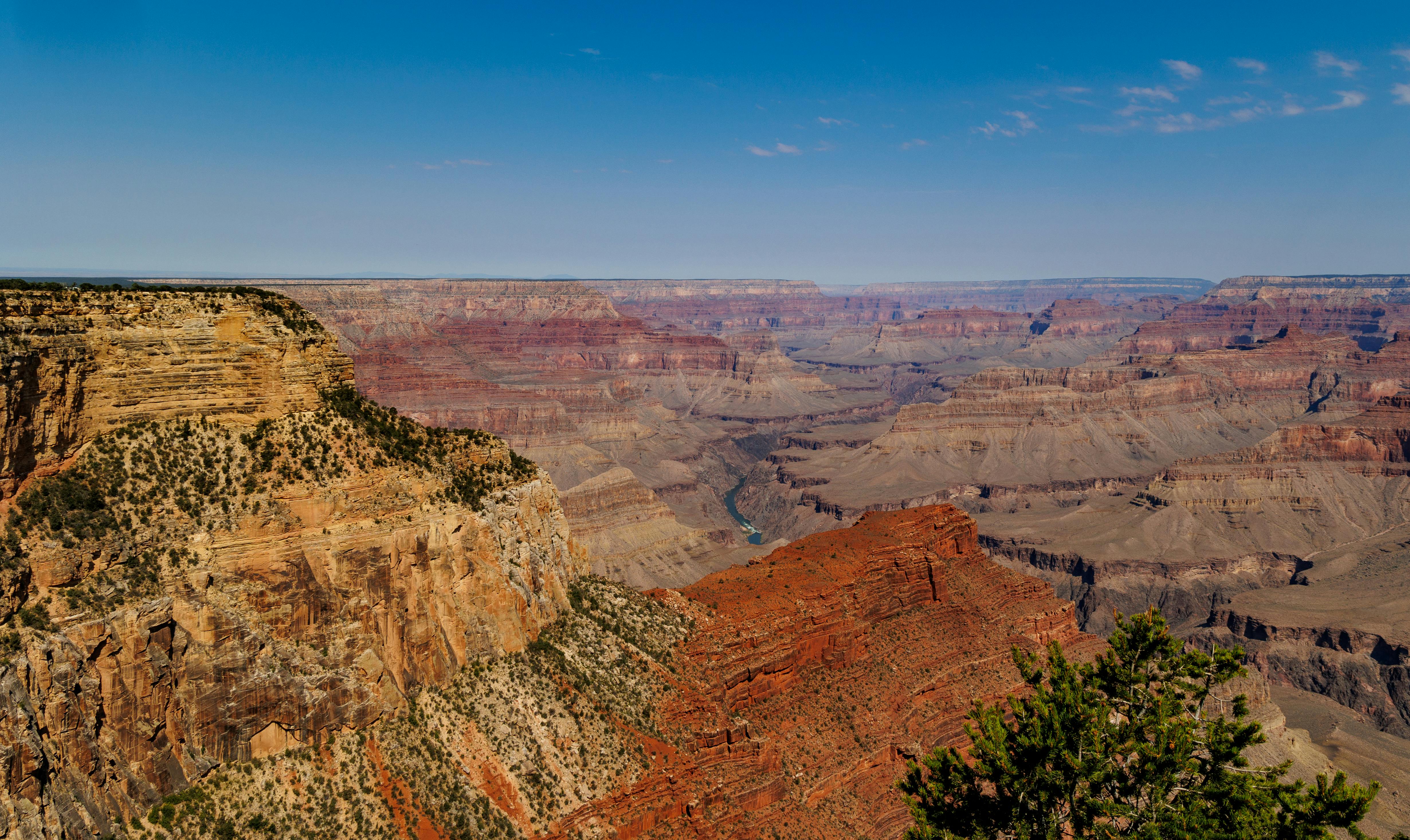
Few destinations evoke a sense of awe quite like the Grand Canyon, a true marvel of nature that has captivated travelers for centuries. Carved by the Colorado River over millions of years, this colossal chasm showcases Earth’s raw power and timeless beauty. Its vibrant layers of rock tell stories of geological history, revealing a spectrum of colors that change with the sunlight and seasons. As one of the most iconic natural wonders of the world, the Grand Canyon offers an unparalleled experience for adventurers, photographers, and nature lovers alike. Whether you are seeking breathtaking vistas, thrilling outdoor activities, or a peaceful retreat into nature’s masterpiece, this destination promises an unforgettable journey. Its sheer scale, intricate formations, and rich ecosystem make it a must-see on any traveler’s list, standing proudly among the wonders of the world.

In this article, you can expect a comprehensive exploration of what makes the Grand Canyon a unique natural wonder. We will delve into its geological significance, highlight the best ways to experience its grandeur, and share insider tips for making the most of your visit. Prepare to be inspired by the sheer magnificence of this extraordinary landscape and discover why it remains one of the most celebrated wonders of the world.
Packed in a hurry and forgot a charger? Prime can delivered it before your flight. Try it free!
Grand Canyon Skywalk
The Grand Canyon Skywalk is one of the most iconic and breathtaking attractions within the Grand Canyon region. Located on the West Rim, it offers visitors a chance to walk on a glass bridge that extends 70 feet beyond the canyon rim, providing an unparalleled view of the vast, colorful chasm below. The Skywalk is perched at nearly 4,000 feet above the canyon floor, offering a vertiginous perspective that makes you feel as though you are floating above the canyon itself. This engineering marvel is part of the Hualapai Indian Reservation, making it a unique blend of natural wonder and cultural significance.
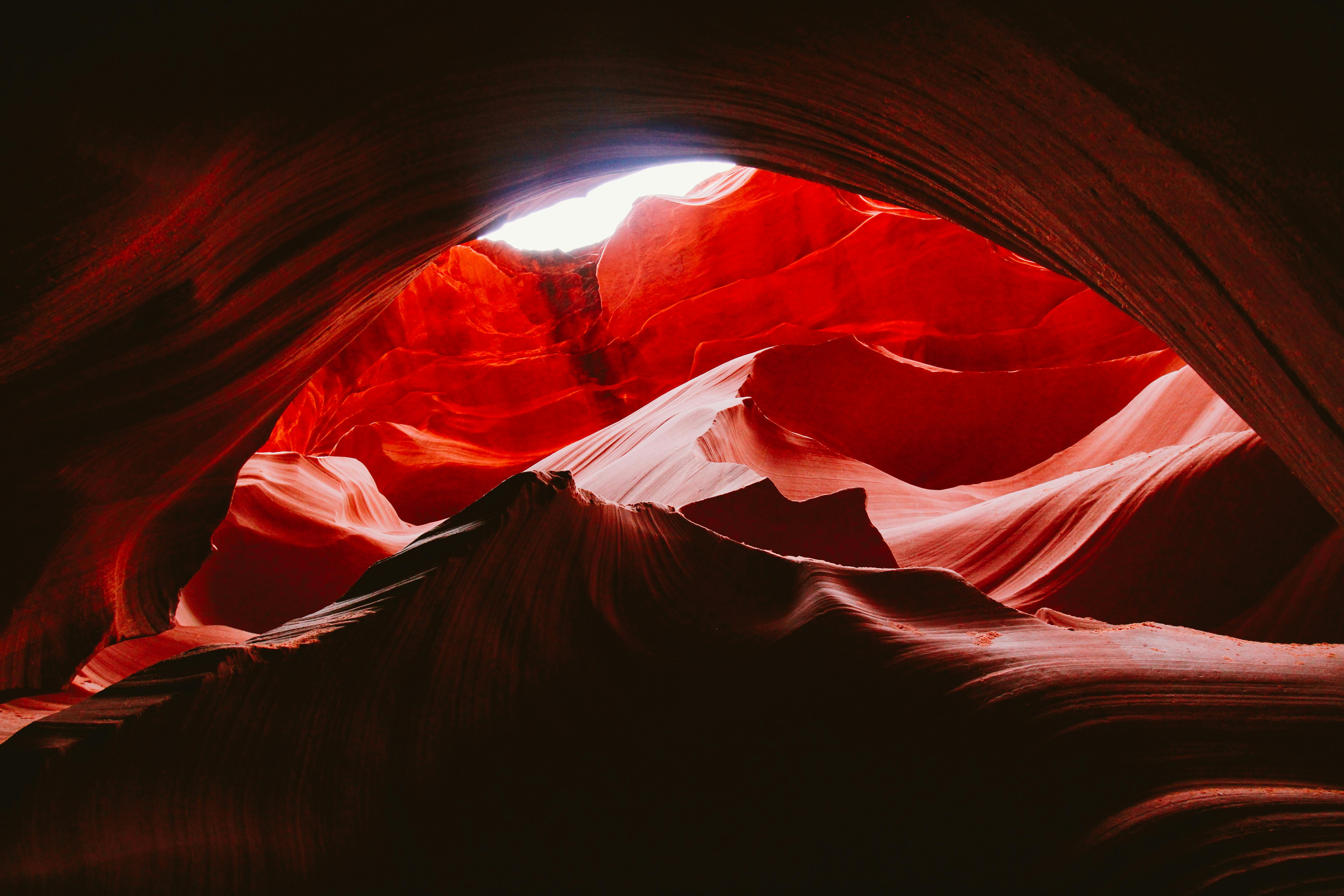
The main feature of the Skywalk is its transparent, reinforced glass flooring, which allows visitors to look directly down into the canyon’s depths. Surrounding the walkway is a curved glass railing that provides unobstructed 360-degree views, making it a perfect spot for photography and awe-inspiring moments. As you step onto the Skywalk, the sensation of walking on air over the canyon’s edge is both exhilarating and humbling. Visitors often describe it as a once-in-a-lifetime experience that combines adventure with the chance to marvel at one of the world’s natural wonders.
Practical information for visitors includes booking tickets in advance, as the Skywalk is a popular attraction. The site offers guided tours that include transportation from nearby hotels and the Grand Canyon West Airport. Visitors should wear comfortable clothing and be prepared for potential wind and temperature changes at high elevations. Since the Skywalk is wheelchair accessible, it welcomes visitors of all ages and physical abilities. Whether you’re seeking adrenaline, breathtaking views, or a unique perspective on the canyon’s grandeur, the Skywalk promises an unforgettable experience that elevates your understanding of this natural wonder.
Bright Angel Trail
The Bright Angel Trail is one of the most renowned and historic routes into the depths of the Grand Canyon. Starting from the South Rim, near Grand Canyon Village, this trail offers a challenging yet rewarding journey through a diverse landscape of desert flora, rocky canyons, and breathtaking vistas. Established in the early 20th century, it has become a favorite among hikers seeking an immersive experience of the canyon’s natural beauty. The trail’s well-maintained switchbacks and shaded rest areas make it accessible for a wide range of visitors, from seasoned hikers to casual adventurers eager to explore below the rim.
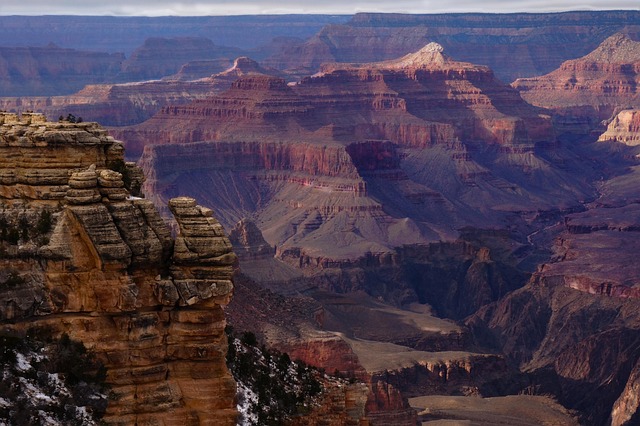
The trail extends approximately 9.5 miles to the Colorado River, with various turnaround points at popular landmarks such as the 1.5-Mile Resthouse, 3-Mile Resthouse, and the Indian Garden. These points allow hikers to choose shorter routes or prepare for the descent into the canyon’s depths. The trail is renowned for its water stations, shaded benches, and informative signage, which help ensure safety and comfort. The descent offers stunning panoramic views, unique rock formations, and a chance to observe the canyon’s rich ecosystem.
Hikers should plan ahead by bringing plenty of water, appropriate footwear, and sun protection. Temperatures can vary dramatically, especially during summer, so early morning starts are recommended. For those interested in a full-day adventure, overnight camping is permitted at designated sites, but permits are required. The Bright Angel Trail provides a profound connection with nature and an appreciation for the immense scale and beauty of the canyon.
Grand Canyon Village
Grand Canyon Village is the historic heart of the South Rim, serving as the primary hub for visitors exploring the canyon. Situated at the edge of the South Rim, it offers a charming blend of history, architecture, and stunning vistas. Established in the early 20th century, the village features a collection of well-preserved buildings, including the historic El Tovar Hotel, the Grand Canyon Railway Depot, and the Kolb Studio. These structures reflect the early days of tourism and exploration, adding a nostalgic charm to the area.
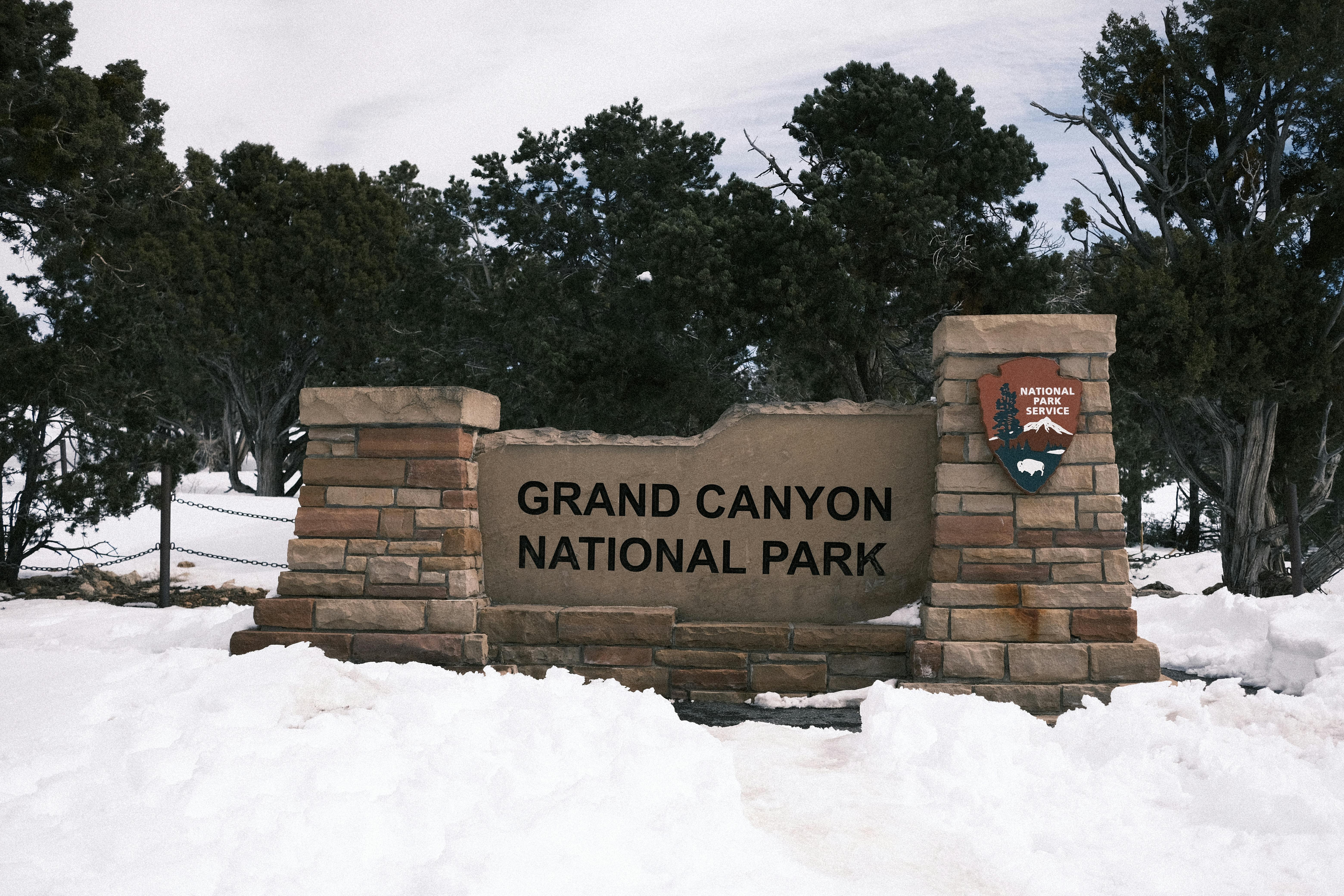
Visitors to Grand Canyon Village can enjoy a variety of activities, from exploring the historic district to visiting the Grand Canyon Visitor Center, where educational exhibits and park information are available. The village also offers numerous viewpoints, such as Mather Point and Yavapai Point, which provide spectacular panoramic views of the canyon. Additionally, the village serves as the departure point for guided rim walks, mule rides, and helicopter tours, making it a versatile base for experiencing the canyon’s grandeur.
Practical tips include arriving early to beat the crowds, especially during peak seasons. The village provides amenities such as restaurants, gift shops, and ranger programs that enrich the visitor experience. Its strategic location makes it ideal for exploring other nearby attractions and trails. Whether you are interested in history, photography, or simply soaking in the awe-inspiring scenery, Grand Canyon Village offers a perfect starting point for your adventure into one of the world’s most extraordinary natural wonders.
Best Time to Visit the Grand Canyon
Understanding the Weather and Climate
The Grand Canyon’s vast size results in significant temperature variations throughout the year. Summers, from June to August, tend to be hot, especially at the bottom of the canyon, with daytime temperatures often exceeding 100°F (38°C). Conversely, winter months, from December to February, bring cooler temperatures, with some areas experiencing snowfall. Spring and fall offer milder weather, making these seasons ideal for outdoor exploration. Spring (March to May) features blooming desert flora, while fall (September to November) offers crisp air and vibrant foliage.
Peak Tourist Seasons and Crowds
The canyon experiences its busiest periods during the summer months and major holidays, such as Memorial Day and Independence Day. During these times, visitor centers, trails, and viewpoints can become crowded, which may diminish the sense of solitude that makes the Grand Canyon so special. Conversely, the winter months see fewer visitors, providing a more peaceful experience. However, limited services and colder weather may pose challenges for some travelers.
Benefits of Visiting During Off-Peak Seasons
- Fewer crowds: Enjoy panoramic views and popular trails with less congestion.
- Lower prices: Accommodation and tour costs often decrease outside peak seasons.
- Unique scenery: Snow-capped rims in winter create stunning vistas, perfect for photography.
Practical Tips for Choosing the Best Time
If you prefer warm weather and lively atmosphere, late spring and early fall are excellent choices. For those seeking tranquility and stunning winter landscapes, visiting from December to February offers a unique experience. Be mindful of weather conditions, especially during winter, when some routes and facilities may be temporarily closed due to snow or ice.
Summary of Pros and Cons
| Season | Pros | Cons |
|---|---|---|
| Summer (June-August) | Warm weather, full services, vibrant atmosphere | Crowded, high temperatures, higher prices |
| Spring (March-May) & Fall (September-November) | Mild weather, fewer crowds, beautiful scenery | Variable weather, some trail closures in shoulder seasons |
| Winter (December-February) | Peaceful, scenic snow views, lower costs | Colder temperatures, limited access, some facilities closed |
Each season offers a different perspective on the Wonders of the World that is the Grand Canyon, and the optimal time for your visit depends on your preferences for weather, crowd levels, and activities.
Getting to the Grand Canyon: Your Gateway to a Wonder of the World
The Grand Canyon stands as one of the most awe-inspiring natural wonders on Earth. Its vast, colorful landscape draws millions of visitors each year, eager to witness its breathtaking vistas. Reaching this iconic destination involves careful planning, as it is nestled in a remote region of northern Arizona. Fortunately, multiple transportation options make the journey accessible for travelers from around the globe, whether you prefer flying, train travel, bus routes, or driving. Here’s a comprehensive guide to help you navigate your way to this marvel of nature.
Flights to the Grand Canyon
The most convenient way for international and long-distance travelers to reach the Grand Canyon is by air. The nearest major airports are Phoenix Sky Harbor International Airport (PHX) and Las Vegas McCarran International Airport (LAS). From these hubs, you can rent a car or take a shuttle to the canyon. Additionally, for a more scenic approach, consider booking a fixed-wing or helicopter tour that departs from these airports directly into the canyon or over its rims. These flights offer a spectacular aerial perspective of this natural wonder, making your journey even more memorable.
Train Travel and Bus Options
For travelers seeking an adventurous and eco-friendly route, train and bus services provide excellent alternatives. The Amtrak Southwest Chief line connects Chicago to Flagstaff, Arizona, with a scenic ride through the American Southwest. From Flagstaff, you can catch a bus or shuttle service to the canyon. Several bus companies, such as Greyhound and local shuttle services, operate routes directly to the Grand Canyon Village, offering a budget-friendly and comfortable travel experience. These options are ideal for those who enjoy leisurely journeys and wish to absorb the stunning landscape along the way.
Driving and Car Rentals
Driving provides the most flexibility and allows you to explore the surrounding areas at your own pace. If you’re arriving from Phoenix, the drive takes approximately 3.5 to 4 hours via Interstate 17 and State Route 64. From Las Vegas, the journey is roughly 4.5 hours, primarily along US Highway 93 and State Route 64. Renting a car is straightforward, with numerous rental agencies available at airports and city locations. Keep in mind that parking at the Grand Canyon’s viewpoints and lodges is limited, so plan accordingly. A road trip also offers the chance to discover nearby attractions, such as Sedona’s red rocks or the historic Route 66.
Travel Tips and Important Information
- Book flights and accommodations well in advance, especially during peak seasons.
- Consider visiting during shoulder seasons like spring or fall to avoid crowds and enjoy milder weather.
- Always check current road conditions and weather forecasts before driving, especially in winter.
- Plan your transportation ahead of time if you’re relying on shuttles or tours, as schedules can vary seasonally.
- Carry sufficient water, wear comfortable shoes, and prepare for temperature fluctuations in the canyon area.
Whichever route you choose, your journey to the Grand Canyon promises to be an unforgettable adventure, leading you closer to one of the world’s most spectacular natural wonders.
Rent a Bicycle
Best Places to Stay in the Grand Canyon: Accommodations for Every Budget
The Grand Canyon, one of the most awe-inspiring Wonders of the World, offers a range of lodging options that allow visitors to immerse themselves in its breathtaking vistas. Whether you seek luxury, comfort, or budget-friendly stays, each accommodation provides a unique way to experience this natural marvel. Below, explore top choices tailored to different budgets, ensuring your visit is as memorable as the canyon itself.
Luxury Options: Indulge in Unparalleled Comfort
For travelers who desire a lavish experience amid the canyon’s grandeur, the El Tovar Hotel stands out as the premier choice. Located right on the South Rim, this historic hotel exudes classic elegance with its rustic charm and modern amenities. Built in 1905, it offers stunning views and a rich history that enhances your immersion into the Wonders of the World. Guests enjoy gourmet dining, spacious rooms, and proximity to key viewpoints, making it ideal for those seeking both comfort and convenience.
Another exceptional luxury option is the Arizona Room at the Grand Canyon Railway Hotel. While slightly more modern, it offers plush accommodations with easy access to the canyon and a touch of old-west charm. Its amenities include a heated outdoor pool, fine dining, and personalized service, perfect for travelers who want to indulge after a day of exploration.
Mid-Range Stays: Comfortable and Convenient
For visitors looking for a balance between comfort and affordability, the Yavapai Lodge offers excellent value. Situated within the park, it provides comfortable rooms with modern furnishings and easy access to the canyon’s viewpoints. The lodge features a casual restaurant and outdoor terraces, allowing guests to relax while soaking in the natural beauty.
Another solid mid-range option is the Bright Angel Lodge. Located near the rim, it combines historic charm with modern amenities. Its cozy cabins and rooms are perfect for those who want proximity to the canyon without the high price tag. The lodge’s central location makes it easy to explore the park’s highlights and attend ranger programs.
Budget-Friendly Choices: Experience the Canyon without Breaking the Bank
For budget travelers, the Grand Canyon Hostel provides a clean, social environment close to the park. It offers dormitory-style accommodations and basic private rooms, making it an excellent choice for backpackers and solo explorers eager to connect with fellow travelers. Though simple, the hostel’s location allows easy access to the canyon’s trails and viewpoints.
Additionally, the Mather Campground offers an authentic outdoor experience within the park. Camping here provides a closer connection to the Wonders of the World, with stunning starry skies and the sounds of nature. Reservations are recommended, especially during peak seasons, to secure a spot in this iconic setting.
In summary, whether you seek opulence, comfort, or adventure, the Grand Canyon’s diverse accommodations ensure every traveler can find their perfect base to witness one of the world’s most extraordinary natural wonders.
Essential Travel Products for Visiting the Grand Canyon
Embarking on a journey to the Grand Canyon, one of the most awe-inspiring natural wonders of the world, requires careful preparation. To ensure you make the most of your adventure, investing in the right travel gear can significantly enhance your experience. Here are two highly recommended products that will prove invaluable during your trip.
1. Lifeproof Fre Series Waterproof Phone Case
The Grand Canyon’s rugged terrain and unpredictable weather mean your smartphone needs protection. The Lifeproof Fre Series Waterproof Phone Case offers robust defense against water, dust, snow, and drops. Its waterproof seal allows you to capture stunning photos even in rainy conditions or near the river without worry. The case features a transparent, scratch-resistant design that preserves your phone’s display clarity, making it perfect for snapping vivid images of the canyon’s breathtaking vistas. Additionally, it offers full access to all buttons and ports, ensuring seamless operation. This case is particularly useful for travelers who want to document their journey without risking damage to their devices. Available on Amazon and directly from the Lifeproof website, it’s a small investment that guarantees peace of mind during your explorations.
2. Merrell Moab 2 Waterproof Hiking Shoes
Comfort and durability are crucial when exploring the expansive trails of the Grand Canyon. The Merrell Moab 2 Waterproof Hiking Shoes are designed to provide excellent support, traction, and protection on uneven terrains. Crafted with waterproof leather and mesh, these shoes keep your feet dry during sudden rain showers or crossing streams. The Vibram outsole offers superior grip on rocky surfaces, reducing the risk of slips. The cushioned midsole ensures all-day comfort, whether you’re hiking along the South Rim or venturing into the canyon itself. These shoes are lightweight yet sturdy, making them ideal for long hikes or casual walks. You can find them on REI, Amazon, or Merrell’s official website, making them accessible for travelers seeking reliable footwear for their natural wonder adventure.
View recommended travel essentials on Amazon
Guidebooks for Exploring the Breathtaking Natural Wonders of the Grand Canyon
While physical gear is essential, having a comprehensive guidebook enriches your understanding and appreciation of the Grand Canyon’s extraordinary landscape. The following books, available on Kindle Unlimited and Audible, offer detailed insights, maps, and historical context to help you navigate and truly connect with this natural marvel.
1. “Grand Canyon: The Complete Guide” by Tom Myers
This guidebook provides an in-depth overview of the canyon’s geology, history, and best viewpoints. It features detailed maps, trail descriptions, and practical tips for both day visitors and those planning extended hikes. Available on Kindle Unlimited, it’s perfect for travelers who want to deepen their knowledge while on the go. The narration on Audible complements the reading experience, making it easy to listen during long drives or walks.
2. “Exploring the Grand Canyon: A Traveler’s Guide” by David B. Williams
Williams’ book offers a compelling narrative that combines travel advice with fascinating stories about the canyon’s formation. It highlights lesser-known viewpoints and hidden gems, encouraging visitors to venture beyond the typical tourist spots. The book’s engaging style, available on Kindle Unlimited and Audible, inspires a deeper appreciation of the canyon’s natural and cultural significance.
3. “Grand Canyon: A Journey Through Time” by David M. Rothman
This book delves into the geological history and formation of the Grand Canyon, helping travelers understand the immense natural forces that shaped it. Its vivid descriptions and detailed illustrations make complex scientific concepts accessible. Available on Kindle Unlimited and Audible, it’s ideal for those eager to learn about the canyon’s ancient past while exploring its present beauty.
Incorporating these guidebooks into your trip ensures a richer, more informed experience of the Grand Canyon’s wonders. Whether you prefer reading or listening, these resources will deepen your connection to one of the world’s most extraordinary natural landmarks.
Click here to try Audible free and explore the world through sound!
Frequently Asked Questions about the Breathtaking Natural Wonders of the Grand Canyon
What makes the Grand Canyon a true wonder of the world?
The Grand Canyon is often regarded as one of the most spectacular natural wonders globally due to its immense size, intricate geology, and breathtaking vistas. Carved over millions of years by the Colorado River, it reveals nearly two billion years of Earth’s geological history in its layered rock formations. Its vastness spans approximately 277 miles (446 km) in length, up to 18 miles (29 km) wide, and over a mile (1.6 km) deep. The canyon’s dramatic cliffs, vibrant colors, and unique formations captivate visitors and showcase nature’s artistry at its finest. Recognized as a UNESCO World Heritage Site, the Grand Canyon stands as a testament to Earth’s dynamic history and natural beauty.
When is the best time to visit the Grand Canyon?
The ideal time to explore the Grand Canyon depends on your preferences. Spring (March to May) and fall (September to November) generally offer mild temperatures, fewer crowds, and excellent visibility. Summer (June to August) is popular but can be very hot, especially at the bottom of the canyon, with temperatures often exceeding 100°F (38°C). Winter (December to February) provides a quieter experience and stunning snow-capped vistas, but some trails and viewpoints may be affected by snow and ice. Always check weather conditions before your trip, especially if planning outdoor activities like hiking or rafting.
What are the best ways to experience the Grand Canyon?
Visitors have a variety of options to appreciate the canyon’s grandeur:
- Rim Tours: Walk along the South Rim or North Rim for panoramic views and visitor centers with informative exhibits.
- Hiking: Trails like Bright Angel or South Kaibab offer accessible routes into the canyon, suitable for different fitness levels.
- Rafting: Experience the Colorado River through guided rafting trips that range from a few hours to several days, providing a unique perspective of the canyon’s interior.
- Helicopter Tours: For an aerial view, helicopter rides offer breathtaking vistas of the canyon’s vastness and geological features.
Each method provides a distinct perspective, enriching your understanding and appreciation of this natural wonder.
Are there any safety tips for visiting the Grand Canyon?
Absolutely. To ensure a safe and enjoyable trip:
- Stay hydrated, especially during hot months, and carry enough water for your activities.
- Wear appropriate footwear and clothing suited for the terrain and weather conditions.
- Always stay on designated trails and viewpoints to avoid falls or accidents.
- If hiking into the canyon, inform someone of your plans and estimated return time.
- Be cautious of extreme temperatures, and avoid strenuous activities during the hottest parts of the day.
Adhering to safety guidelines helps preserve the natural environment and ensures your experience remains positive.
What should I know about the visitor centers and facilities?
The Grand Canyon offers several visitor centers, including the Grand Canyon Visitor Center on the South Rim and the North Rim Visitor Center. These centers provide maps, exhibits, park rangers’ advice, and restrooms. Additionally, there are lodges, campgrounds, and dining options within the park, but availability varies seasonally. It is advisable to make reservations well in advance, especially during peak seasons. Remember to carry sufficient supplies, as services can be limited in more remote areas. Before your trip, check the National Park Service website for current conditions, alerts, and activity permits.
Earn cashback on everything from flights to travel insurance – join now!
Discover the Majestic Wonder of the Grand Canyon
The Grand Canyon stands as a true marvel among the world’s natural wonders, captivating visitors with its awe-inspiring vistas and geological grandeur. From its vibrant layered cliffs to the Colorado River carving through its depths, this iconic destination offers an unparalleled experience that connects us to Earth’s ancient history. Throughout the article, we’ve explored its breathtaking landscapes, diverse ecosystems, and the myriad ways to enjoy this natural masterpiece, whether through hiking, rafting, or simply soaking in the panoramic views.
Why the Grand Canyon Continues to Inspire
The unique geological formations tell a story spanning millions of years, making the canyon a living museum of Earth’s history. Its vastness evokes a sense of humility and wonder, reminding us of nature’s power and beauty. Moreover, the canyon supports a rich variety of flora and fauna, offering a glimpse into thriving ecosystems that have adapted to this rugged environment. Visitors often leave with a renewed appreciation for nature’s artistry and the importance of preserving such treasures for future generations.
Take Action and Embark on Your Adventure
If you’re seeking an unforgettable journey that combines adventure, natural beauty, and history, the Grand Canyon awaits. Plan your visit to witness its grandeur firsthand, whether by exploring its scenic trails, enjoying a guided tour, or experiencing a river raft expedition. Remember, every visit supports conservation efforts, ensuring this wonder remains pristine for years to come. So, don’t just read about it—take the first step toward discovering one of the world’s most spectacular wonders.