
Exploring Tokyo: The Ultimate Urban Wonderland
Tokyo stands as a mesmerizing fusion of tradition and innovation, making it one of the world’s most captivating travel destinations. As Japan’s bustling capital, it offers an unmatched blend of historic temples, futuristic skyscrapers, lively neighborhoods, and cutting-edge technology. Visitors are drawn to Tokyo’s dynamic energy, where centuries-old customs coexist seamlessly with modern trends, creating a city that constantly evolves yet retains its rich cultural roots. Whether you’re wandering through serene gardens, exploring vibrant markets, or marveling at towering cityscapes, Tokyo promises an experience unlike any other.
This article will guide you through the essence of Tokyo’s iconic urban landscape. You will discover what makes this city uniquely fascinating, from its architectural marvels to its cultural hotspots. Expect insights into the city’s diverse districts, hidden gems, and the vibrant atmosphere that keeps millions returning year after year. Prepare to be inspired by Tokyo’s relentless innovation and timeless charm, and learn how to navigate its lively streets with confidence and curiosity.
Travel better with fast delivery, exclusive deals & shows – free with Prime!
Tokyo Tower
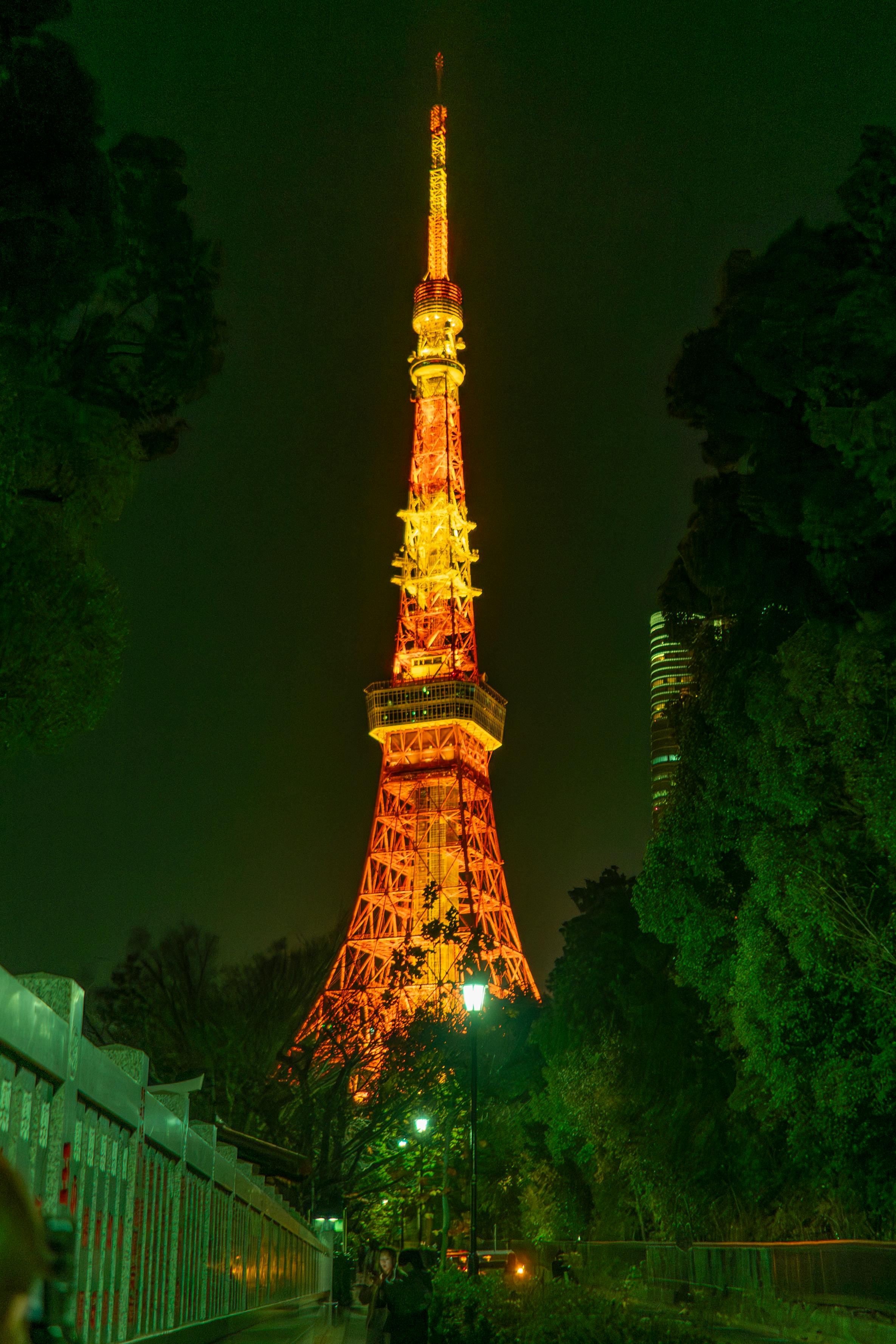
Standing tall as an emblem of Tokyo’s vibrant skyline, Tokyo Tower is a must-visit landmark that captures the essence of Japan’s modernization and cultural heritage. Completed in 1958, this iconic structure was inspired by Paris’s Eiffel Tower but boasts its own distinct character, symbolizing Japan’s post-war rebirth and economic growth. Located in the Minato district, the tower is easily accessible from various parts of the city, making it an ideal destination for travelers seeking panoramic views and a taste of Tokyo’s dynamic energy.
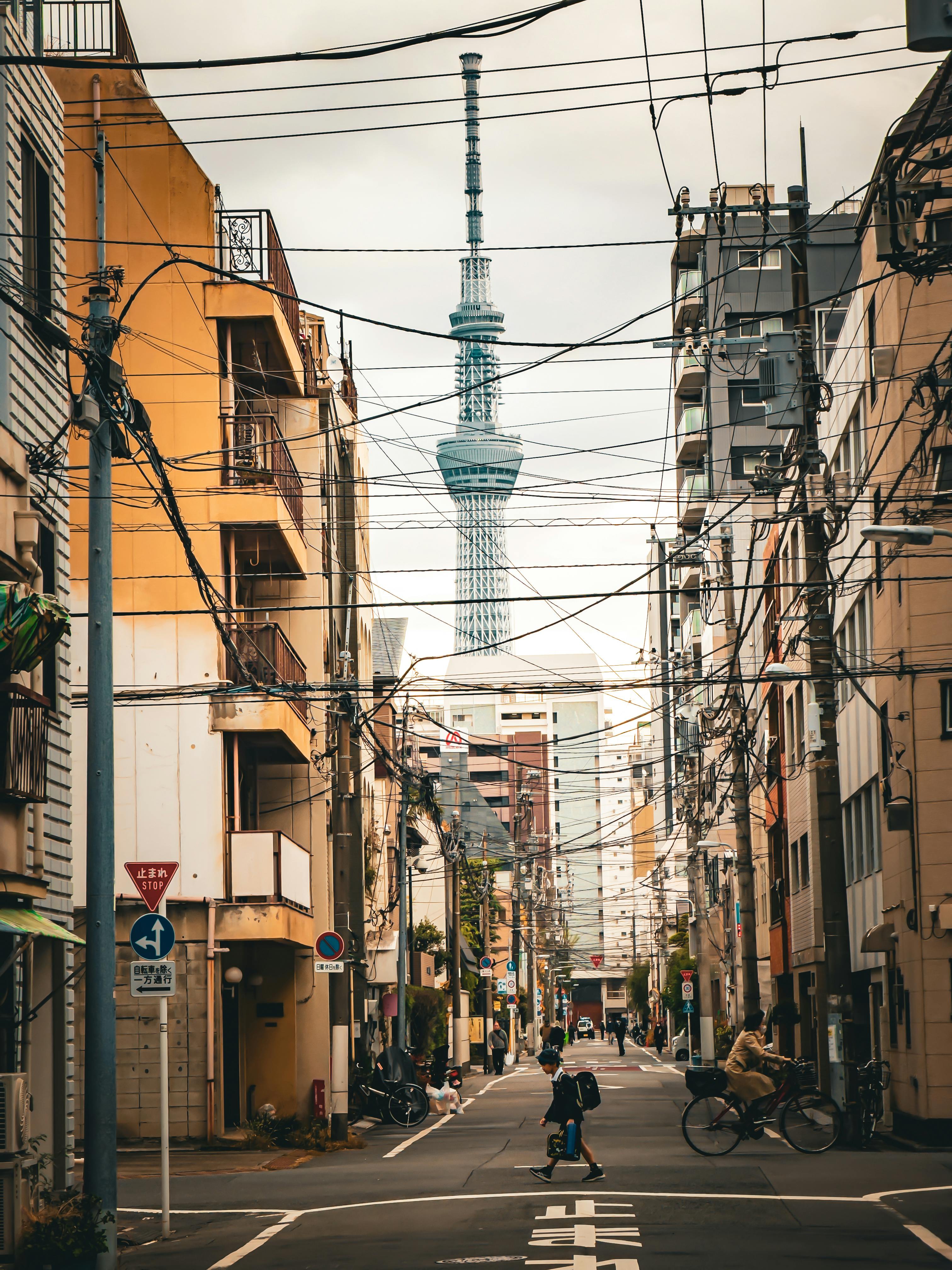
The main features of Tokyo Tower include two observation decks that offer breathtaking vistas of the sprawling metropolis below. The Main Deck, situated at 150 meters, provides a stunning 360-degree view of Tokyo’s skyline, Mount Fuji on clear days, and the distant horizon. The Top Deck, at 250 meters, is a more exclusive space for visitors seeking an even higher vantage point. Besides the observation decks, the tower houses a variety of attractions, including the FootTown building, which contains museums, shops, cafes, and restaurants. The FootTown building also features an aquarium and a small amusement area, making it a family-friendly destination.
Visiting Tokyo Tower is worthwhile not only for the spectacular views but also for the cultural experience it offers. The tower’s illumination at night transforms it into a glowing beacon, symbolizing Tokyo’s vibrant nightlife. Practical information for visitors includes opening hours from 9 am to 11 pm, with last elevator rides at 10:30 pm. Ticket prices vary depending on the deck and age, with discounts often available for early bookings. Accessibility is excellent, with elevators and facilities designed for all visitors. Whether you’re interested in photography, sightseeing, or simply soaking in the city’s energy from above, Tokyo Tower provides an unforgettable perspective on Japan’s capital city.
Senso-ji Temple
As Tokyo’s oldest and most colorful temple, Senso-ji stands as a testament to the city’s rich spiritual heritage and vibrant street culture. Located in the historic Asakusa district, this Buddhist temple dates back to the 7th century and remains a hub of religious activity and cultural festivities. Its striking red gate, towering pagoda, and bustling Nakamise shopping street make Senso-ji a magnet for both pilgrims and tourists eager to experience traditional Japan. The temple’s architecture, with its intricate wooden carvings and vibrant colors, provides a stunning contrast to the modern cityscape surrounding it, immersing visitors in a world where history and contemporary life intertwine.
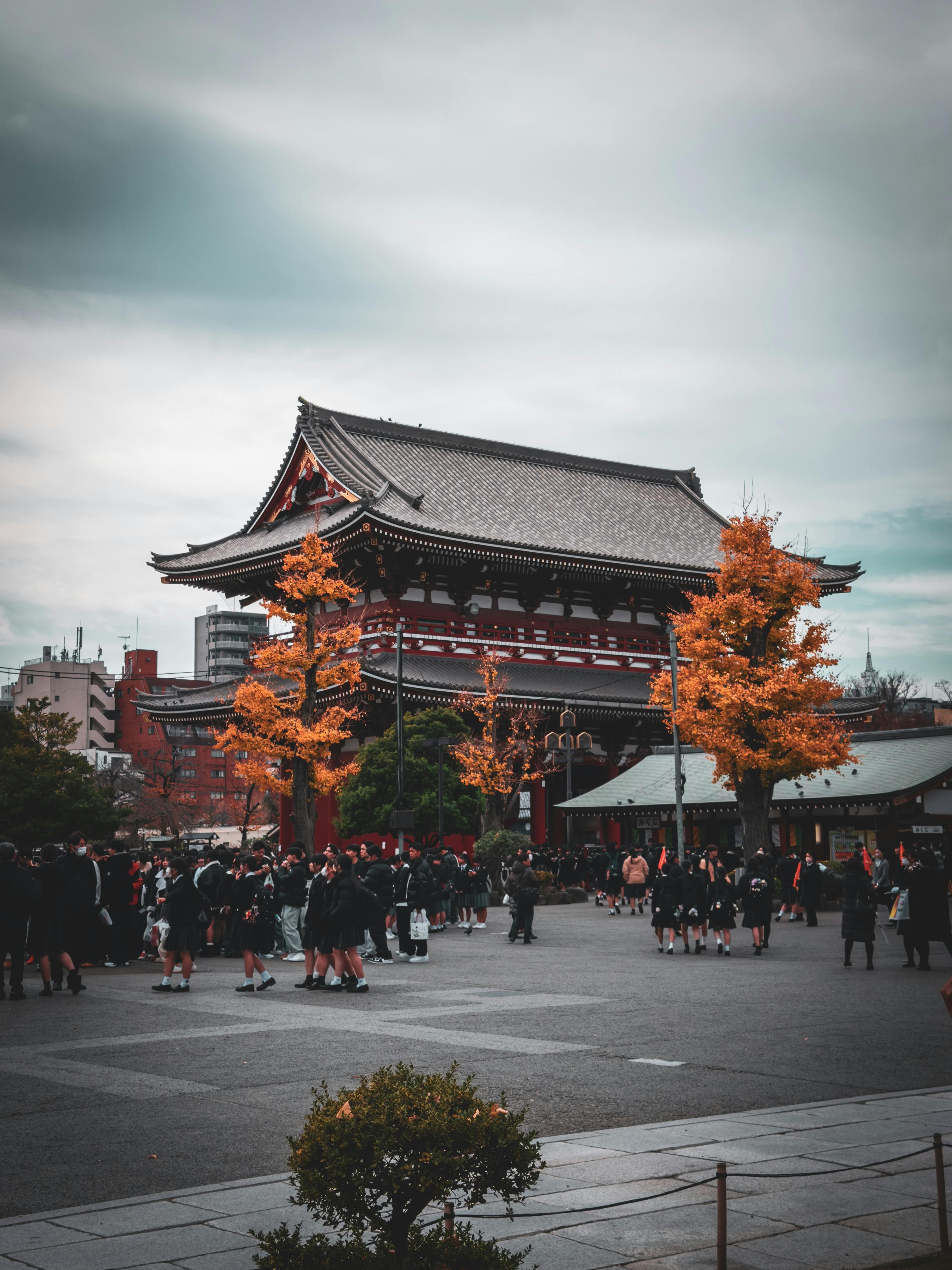
The main attraction at Senso-ji is the impressive Kaminarimon gate, featuring a massive red lantern that is one of Tokyo’s most photographed landmarks. Passing through this gate leads visitors into the Nakamise-dori shopping street, lined with traditional stalls selling souvenirs, snacks, and crafts. The approach to the main hall, or Hondo, is lined with vibrant shops and street performers, creating an energetic atmosphere. Inside the main hall, visitors can observe Buddhist rituals and admire the statue of the goddess Kannon, believed to grant wishes and bring good fortune. The temple grounds also feature a tranquil garden and a five-story pagoda, perfect for quiet reflection amid the lively surroundings.
Visiting Senso-ji provides a deeply enriching experience, offering insight into Japan’s spiritual traditions and local culture. It’s especially lively during festivals like Sanja Matsuri, when the temple bursts into celebrations with traditional music, dance, and parades. Practical tips include arriving early to avoid crowds, especially on weekends and during festivals. The temple is open year-round, and entrance is free. Respectful attire and behavior are appreciated, especially during prayer times. Whether you’re seeking spiritual solace or simply want to enjoy a vibrant cultural scene, Senso-ji Temple remains a must-see destination that embodies Tokyo’s historic soul.
Meiji Shrine
Nestled within a sprawling forested area in the heart of Tokyo, Meiji Shrine offers a peaceful retreat from the city’s hustle and bustle. Dedicated to Emperor Meiji and Empress Shōken, this Shinto shrine was completed in 1920 and quickly became one of Japan’s most revered spiritual sites. The shrine’s location within Yoyogi Park provides a lush, natural setting that contrasts beautifully with Tokyo’s modern skyline, making it a favorite spot for both locals and visitors seeking tranquility and cultural insight. The approach to the shrine, via a wide, tree-lined path, creates a sense of entering a sacred space, where nature and tradition harmoniously coexist.
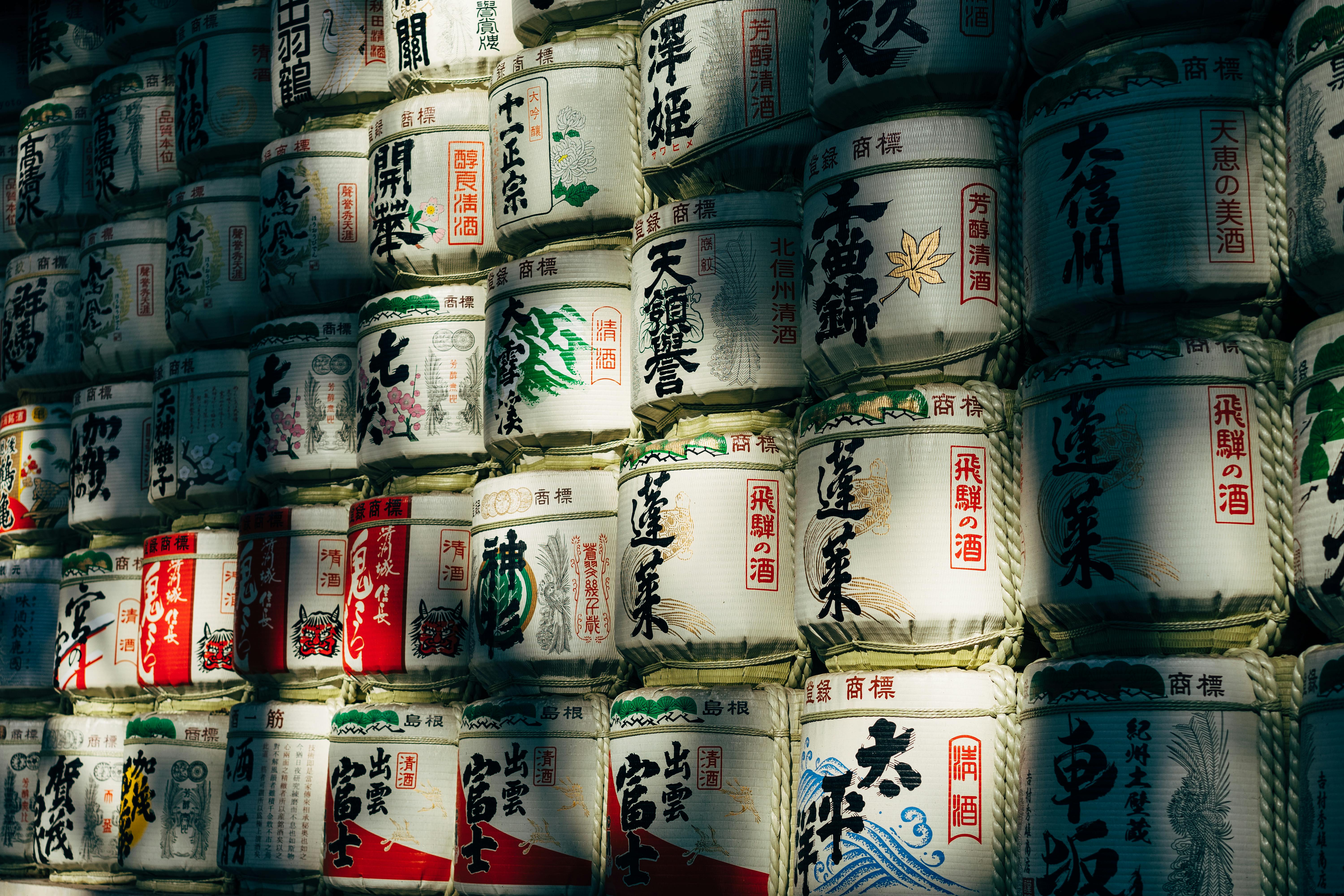
The main shrine buildings are constructed in traditional Nagoya-zukuri style, with a shimmering gold and green roof, and are surrounded by well-maintained grounds. Visitors can participate in traditional rituals such as cleansing at the temizuya (purification fountain), making offerings, or writing wishes on ema (wooden plaques). The shrine’s massive torii gate, made of cypress wood, marks the entrance and symbolizes the transition from the mundane to the sacred. Throughout the year, Meiji Shrine hosts various festivals and ceremonies, including traditional weddings and New Year celebrations, which offer a glimpse into Japan’s spiritual life.
For travelers, Meiji Shrine provides a serene escape from Tokyo’s busy streets, with ample space for walking, reflection, and cultural appreciation. It’s open daily from early morning until sunset, with free admission. The shrine’s location near Harajuku makes it easy to combine a spiritual visit with exploring Tokyo’s trendy fashion and youth culture. Respectful behavior, such as bowing before entering the shrine and refraining from loud noise, is appreciated. Whether you’re interested in Japan’s religious traditions, seeking a moment of peace, or simply wanting to enjoy scenic beauty, Meiji Shrine offers a meaningful and calming experience amid Tokyo’s urban landscape.
Best Time to Visit Tokyo
Understanding the Climate and Seasons
Tokyo experiences four distinct seasons, each offering a unique urban experience. Spring, from March to May, is renowned for its mild weather and breathtaking cherry blossoms, making it a popular time for visitors. Summer, June to August, can be hot and humid, with occasional typhoons, but also offers lively festivals and vibrant city life. Autumn, September to November, provides cooler temperatures and stunning fall foliage that enhances Tokyo’s iconic skyline. Winter, December to February, is generally cold but ideal for exploring indoor attractions and enjoying seasonal illuminations.
Peak Tourist Seasons
The city sees its highest influx of tourists during spring and autumn. The cherry blossom season, especially between late March and early April, draws crowds eager to witness Tokyo’s iconic urban parks and historic sites bathed in pink blooms. Similarly, autumn foliage from late October to November attracts visitors seeking picturesque cityscapes. During these peak times, popular attractions like Shibuya Crossing and Asakusa are bustling, and accommodation prices tend to rise.
Off-Peak Benefits
Visiting Tokyo during the off-peak months—winter (January and February) and late summer—can be highly advantageous. During these periods, you’ll find fewer tourists, shorter lines at major sights, and more affordable hotel rates. Winter also offers a chance to experience Tokyo’s stunning winter illuminations and seasonal festivals without the crowds. Additionally, late summer, despite the heat, features unique local festivals like the Sumida River Fireworks, providing authentic urban experiences away from the crowds.
Summary of Pros and Cons
| Time of Year | Pros | Cons |
|---|---|---|
| Spring (March-May) | Beautiful cherry blossoms, mild weather, vibrant city life | Crowded, higher prices, busy transportation |
| Autumn (September-November) | Stunning fall foliage, comfortable temperatures | Peak season prices, busy at popular spots |
| Winter (December-February) | Fewer tourists, lower prices, festive illuminations | Cold weather, some attractions may have limited hours |
| Summer (June-August) | Festivals, fireworks, lively urban atmosphere | Hot and humid, typhoons, crowded attractions |
Ultimately, the best time to visit Tokyo depends on your preferences. For iconic urban scenes enhanced by seasonal beauty, spring and autumn are ideal. However, if you prefer fewer crowds and better deals, winter and late summer offer excellent opportunities to explore Tokyo’s vibrant cityscape with a more relaxed pace.
Getting to Tokyo: Your Gateway to an Iconic Urban Destination
Tokyo, Japan’s vibrant capital, is renowned for its seamless blend of tradition and innovation. Whether you’re arriving for the bustling city life, historic temples, or cutting-edge technology districts, getting to Tokyo is straightforward thanks to its well-connected transportation network. Planning your journey carefully ensures a smooth start to your adventure in this iconic metropolis.
Transportation Options to Reach Tokyo
Flights
Most international travelers arrive in Tokyo via one of its two major airports: Narita International Airport (NRT) and Haneda Airport (HND). Narita, located about 60 kilometers east of downtown Tokyo, handles the majority of long-haul international flights. Haneda, closer to the city center, offers more domestic flights and some international routes, especially from Asia.
Major airlines from around the world operate direct flights to Tokyo, making it accessible from nearly every continent. When booking, consider flight duration, layovers, and airport convenience. For travelers seeking the fastest route, direct flights from major hubs like Los Angeles, London, or Sydney are ideal.
Train Travel
Japan’s renowned Shinkansen (bullet train) network provides an efficient and comfortable way to reach Tokyo from other Japanese cities. The Tokaido Shinkansen connects Tokyo with Osaka, Kyoto, and Nagoya, with travel times as short as 2.5 hours from Osaka. For travelers arriving from nearby regions, local JR lines and regional trains also offer reliable options.
For those already in Japan, purchasing a Japan Rail Pass can be cost-effective, offering unlimited travel on JR lines including the Shinkansen for a fixed period.
Buses and Coaches
Long-distance buses connect Tokyo with various cities across Japan and neighboring countries. While slower than trains or flights, buses are often a budget-friendly option, especially for travelers with flexible schedules. Major bus terminals like the Shinjuku Expressway Bus Terminal serve as hubs for these routes.
Getting Around Once You Arrive
Tokyo’s extensive public transportation system makes exploring the city convenient. The subway and train networks are punctual, clean, and user-friendly. Purchasing a prepaid Suica or Pasmo card simplifies travel across different modes of transport. For those preferring flexibility, taxis are available but can be costly during peak hours. Car rentals are an option for exploring beyond the city, detailed further below.
Travel Tips and Important Information
- Plan ahead: Check flight schedules and train timetables to avoid last-minute surprises.
- Travel documents: Ensure your passport and any necessary visas are up-to-date before departure.
- Peak seasons: Spring (cherry blossoms) and autumn (fall foliage) are popular, so book flights and accommodations early.
- Language: While English signage is common at airports and major stations, learning basic Japanese phrases can enhance your experience.
- Currency: The Japanese Yen (JPY) is the official currency. Credit cards are widely accepted, but carrying some cash is advisable for smaller establishments.
Rent a Bicycle
Best Places to Stay in Tokyo: A Guide for Every Budget
Tokyo, a vibrant metropolis blending cutting-edge modernity with rich tradition, offers a diverse range of accommodations. Whether you seek luxury, mid-range comfort, or budget-friendly options, the city’s iconic neighborhoods provide the perfect backdrop for your stay. Here’s a curated list of the best places to stay, tailored to different budgets, ensuring you experience Tokyo’s urban allure to the fullest.
Luxury Options: Experiencing Tokyo’s Iconic Urban Elegance
For travelers seeking an exceptional stay, Tokyo’s luxury hotels deliver world-class amenities and breathtaking city views. These establishments are nestled in the city’s most iconic districts, offering easy access to Tokyo Tower, Ginza, and the Imperial Palace.
- The Peninsula Tokyo: Located near the Imperial Palace, this hotel exemplifies refined elegance. Its spacious rooms feature panoramic views of the city or gardens, complemented by impeccable service. The rooftop restaurant offers a stunning skyline backdrop, perfect for a memorable dining experience.
- Mandarin Oriental Tokyo: Situated in Nihonbashi, this hotel combines contemporary design with traditional Japanese touches. Guests enjoy luxurious spa facilities, a rooftop bar, and easy access to historic landmarks. Its sleek, urban aesthetic makes it a true icon of Tokyo’s skyline.
- Park Hyatt Tokyo: Famous for its appearance in the film Lost in Translation, this hotel offers spacious rooms with floor-to-ceiling windows overlooking Mount Fuji or the city. Its sophisticated ambiance and renowned New York Bar make it a destination within a destination.
Mid-Range Options: Comfort and Convenience in Iconic Neighborhoods
Mid-range hotels strike a balance between luxury and affordability, providing comfort while immersing guests in Tokyo’s vibrant urban fabric. These hotels are often located in lively districts like Shinjuku, Shibuya, or Ginza, offering easy access to shopping, dining, and entertainment.
- Shinjuku Granbell Hotel: A modern boutique hotel situated in the heart of Shinjuku, offering stylish rooms and a rooftop terrace. It’s perfect for exploring Tokyo’s bustling nightlife and iconic skyscrapers.
- Hotel Sunroute Plaza Shinjuku: Known for its central location and friendly service, this hotel offers comfortable rooms and quick access to transportation hubs, making it ideal for city explorers.
- Citadines Shinjuku Tokyo: Offering apartment-style accommodations, this option is perfect for longer stays. Its proximity to shopping districts and public transit enhances convenience.
Budget-Friendly Options: Discover Tokyo Without Breaking the Bank
For budget-conscious travelers, Tokyo offers a variety of hostels, capsule hotels, and guesthouses that deliver authentic experiences at affordable prices. Staying in these accommodations allows you to immerse yourself in the city’s dynamic energy without overspending.
- Khaosan Tokyo Original: Located in Asakusa, this hostel offers vibrant dorms and private rooms, fostering a social atmosphere. It’s an excellent choice for meeting fellow travelers and exploring historic sites.
- The Millennials Shibuya: A modern capsule hotel featuring innovative sleeping pods with privacy screens and communal lounges. Its proximity to Shibuya Crossing makes it ideal for experiencing Tokyo’s youth culture.
- Book and Bed Tokyo: Combining a bookstore and hostel, this quirky accommodation provides a cozy environment for book lovers and budget travelers alike, situated in the lively Ikebukuro district.
In summary, Tokyo’s iconic neighborhoods and diverse accommodation options ensure every traveler finds a perfect base. Whether you desire the luxury of panoramic city views, the comfort of mid-range hotels, or the authenticity of budget stays, Tokyo’s vibrant urban landscape awaits to be explored from your ideal home away from home.
Essential Travel Products for Visiting Tokyo
When exploring Tokyo, having the right travel gear can significantly enhance your experience. Two products stand out as especially useful for navigating this vibrant and sprawling metropolis: the Japan Rail Pass and a portable Wi-Fi hotspot.
Japan Rail Pass
The Japan Rail Pass is an invaluable investment for travelers planning to explore Tokyo and beyond. This pass offers unlimited travel on JR trains, including the famous Yamanote Line that circles central Tokyo, making it easy to access major districts such as Shinjuku, Shibuya, and Ginza. It’s available for periods of 7, 14, or 21 days, providing flexibility based on your itinerary. The pass not only saves money but also simplifies transportation, eliminating the need to purchase individual tickets for each journey. It can be purchased online before departure or at designated locations in Japan, and it’s a must-have for visitors eager to maximize their time in the city while reducing transportation costs.
Portable Wi-Fi Hotspot
Staying connected in Tokyo is crucial for navigation, translation, and sharing your experiences in real-time. A portable Wi-Fi hotspot, such as the Japan Wireless device, is an essential travel companion. Compact and lightweight, it fits easily into your pocket or bag, providing reliable internet access throughout your trip. With coverage across Tokyo and other major cities, it ensures seamless connectivity whether you’re in busy districts or exploring less crowded neighborhoods. Many providers offer unlimited data plans, which are perfect for streaming maps, using ride-sharing apps, or translating menus and signs. You can rent a device online prior to your trip and pick it up at the airport or have it delivered to your accommodation, making it a hassle-free way to stay connected during your adventure.
Find these must-have travel items on Amazon
Guidebooks for Iconic Urban Destinations Tokyo
To deepen your understanding of Tokyo’s unique urban landscape, a well-chosen guidebook can be an invaluable resource. The following titles, available on Kindle Unlimited and Audible, provide insightful perspectives, practical tips, and cultural context that will enrich your visit to this iconic city.
Tokyo: The Ultimate Guide by Lonely Planet (Kindle Unlimited and Audible)
This comprehensive guide offers detailed itineraries, neighborhood breakdowns, and insider tips. It covers Tokyo’s most iconic districts such as Shinjuku, Asakusa, and Harajuku, while also highlighting lesser-known gems. The book’s practical advice on transportation, dining, and cultural etiquette ensures travelers are well-prepared. The audiobook version allows you to absorb information during commutes or walks, making it an excellent resource for first-time visitors eager to navigate Tokyo confidently.
Tokyo Urban Explorer by DK Eyewitness (Kindle Unlimited and Audible)
Focusing on Tokyo’s vibrant street life and architectural marvels, this guide emphasizes the city’s dynamic urban environment. It features stunning photographs, detailed maps, and curated itineraries that showcase the city’s modernity intertwined with tradition. Whether you’re interested in exploring Tokyo’s innovative neighborhoods or discovering its historic sites, this book provides a visual and narrative journey that inspires curiosity and adventure.
Discover Tokyo: An Insider’s Guide by Bradt Travel Guides (Kindle Unlimited and Audible)
This guidebook offers a more personalized perspective, emphasizing local experiences, hidden spots, and cultural insights. It’s perfect for travelers seeking authentic encounters beyond tourist hotspots. The audiobook format allows for easy listening during transit or while planning your day’s activities, helping you immerse yourself in Tokyo’s vibrant urban tapestry. It also provides practical tips on navigating the city’s public transport, dining options, and cultural customs, ensuring a smooth and enriching journey.
With these guidebooks at your side, you will gain a richer understanding of Tokyo’s urban landscape, enabling you to explore with confidence and curiosity. Whether you prefer detailed maps, cultural stories, or practical advice, these resources will help you uncover the city’s iconic charm and hidden treasures alike.
Discover top-rated travel books in audio format – free Audible trial available!
Frequently Asked Questions About Iconic Urban Destinations Tokyo
1. What are the must-visit iconic landmarks in Tokyo?
Tokyo boasts a variety of iconic landmarks that capture the city’s vibrant spirit and rich history. The most renowned include the historic Senso-ji Temple in Asakusa, famous for its impressive Kaminarimon Gate and bustling Nakamise Shopping Street. Tokyo Tower offers panoramic city views from its observation decks, reminiscent of Paris’s Eiffel Tower but uniquely Tokyo. Shibuya Crossing is globally recognized as the world’s busiest pedestrian scramble, symbolizing Tokyo’s energetic urban life. Additionally, the Imperial Palace provides a glimpse into Japan’s imperial history, surrounded by meticulously maintained gardens. These landmarks not only define Tokyo’s skyline but also offer immersive experiences into its cultural fabric.
2. How can travelers efficiently explore Tokyo’s urban attractions?
Tokyo’s extensive public transportation system is highly efficient and user-friendly. The Tokyo Metro and Toei Subway networks connect most major districts, making it easy to navigate the city. For convenience, consider purchasing a Suica or PASMO card; these rechargeable cards work seamlessly across trains, buses, and even some shops. To maximize your time, plan your itinerary around districts such as Shinjuku, Shibuya, and Ginza, which are rich in attractions. Walking is also rewarding, especially in neighborhoods like Harajuku and Omotesando, where street fashion and architecture blend seamlessly. Lastly, taxis are available but can be expensive; they’re best reserved for late-night travels or when carrying heavy luggage.
3. When is the best time to visit Tokyo for iconic urban experiences?
The ideal time to visit Tokyo depends on your preferences, but generally, spring (March to May) and autumn (September to November) are considered the best seasons. During spring, cherry blossoms bloom, creating a magical backdrop for city sightseeing. Autumn offers vibrant foliage and comfortable temperatures, perfect for exploring urban parks and streets. Summers (June to August) are hot and humid, but festivals like the Sumida River Fireworks provide unique cultural experiences. Winters (December to February) are cooler but less crowded, with clear skies offering excellent city views. Regardless of the season, early mornings or late evenings are ideal for capturing iconic landmarks without crowds.
4. Are there local tips for experiencing Tokyo’s urban culture authentically?
Absolutely. To truly immerse yourself in Tokyo’s urban culture, consider exploring beyond the main tourist spots. Visit local neighborhoods like Koenji or Shimokitazawa for vintage shopping and indie cafes. Participate in traditional activities such as tea ceremonies or sumo tournaments, which are held at various times throughout the year. Try street food stalls offering authentic snacks like takoyaki or yakitori. Additionally, attending a themed café, such as a robot or cat café, provides a glimpse into Japan’s quirky pop culture. Respect local customs, such as removing shoes when entering certain establishments, and learn basic Japanese phrases to enhance interactions. These experiences will deepen your connection to Tokyo’s dynamic urban life.
5. What practical tips should travelers keep in mind when visiting Tokyo’s iconic destinations?
Planning ahead is key to a smooth visit. Always carry a portable Wi-Fi device or SIM card to navigate and access information easily. Dress comfortably; many attractions involve walking or standing for extended periods. Be mindful of etiquette, like queuing patiently and not speaking loudly on public transportation. For sightseeing, start early to avoid crowds at popular sites. When visiting temples and shrines, remember to follow customs such as cleansing hands at the purification fountain. Lastly, stay hydrated and protect yourself from the sun during summer visits, and layer clothing in winter. These practical tips will help you enjoy Tokyo’s urban icons effortlessly and respectfully.
Explore the Heart of Tokyo’s Urban Charm
Tokyo’s blend of tradition and innovation makes it a truly iconic urban destination. Whether marveling at towering skyscrapers, wandering historic temples, or experiencing vibrant street life, every corner offers something extraordinary. Prepare well, embrace local customs, and remain open to new experiences for a memorable journey through Tokyo’s dynamic cityscape.
Get cashback on flights, hotels & even car rentals – sign up now!
Discovering the Heart of Tokyo: An Unforgettable Urban Adventure
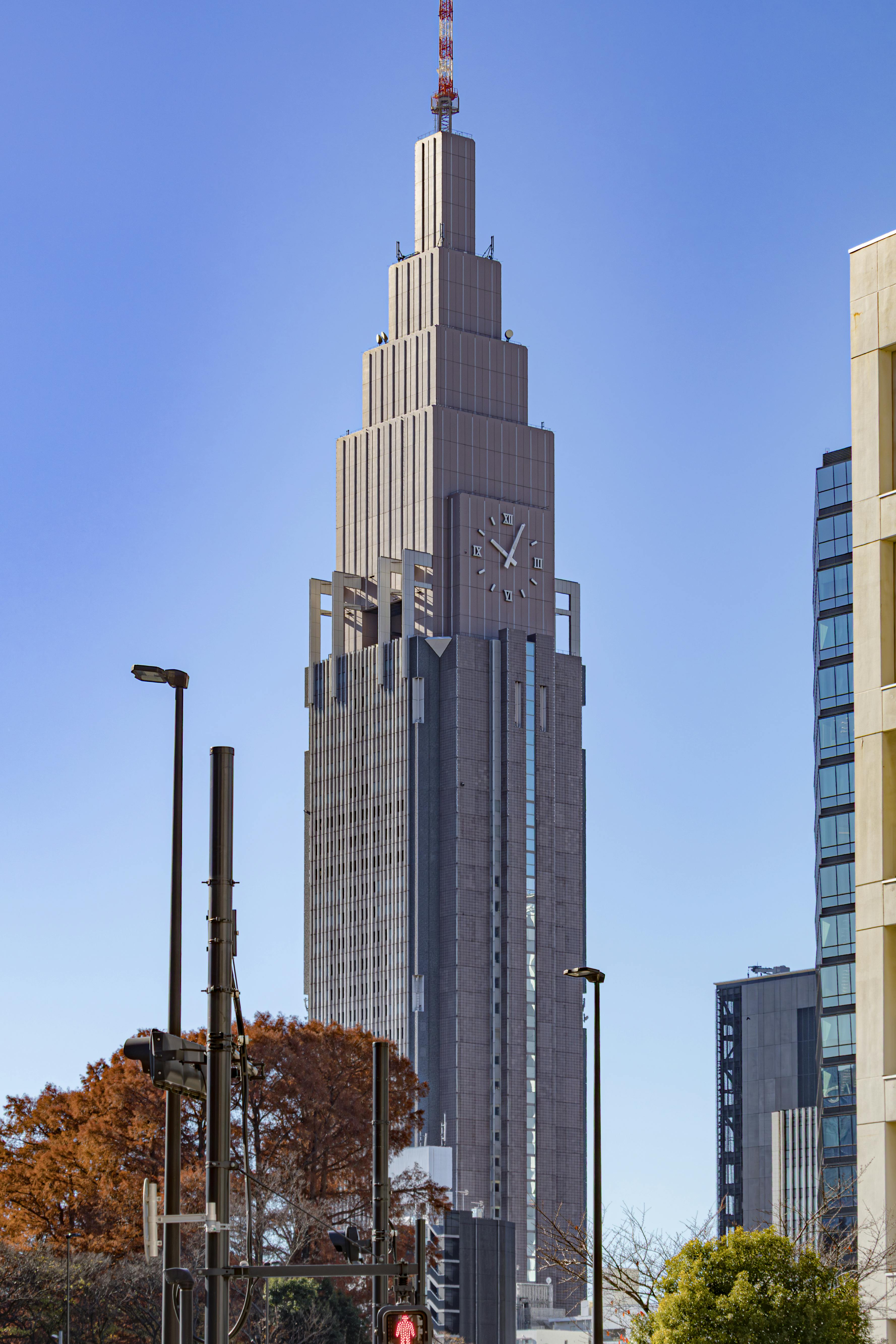
Tokyo exemplifies a city where tradition and modernity coexist harmoniously, offering an unparalleled urban experience. From the towering skyline of Shinjuku to the historic charm of Asakusa, each neighborhood reveals a different facet of the city’s vibrant personality. The bustling streets of Shibuya, home to the world-famous scramble crossing, showcase Tokyo’s energetic spirit, while peaceful spots like Meiji Shrine provide tranquil retreats amid the urban environment.
Key highlights include:
- The futuristic allure of Odaiba with its innovative attractions and waterfront views
- The cultural richness of Ginza, where luxury shopping meets exquisite cuisine
- Iconic landmarks such as Tokyo Tower and Senso-ji Temple that symbolize the city’s diverse heritage
Why Explore Tokyo Further?
Tokyo’s dynamic environment invites exploration beyond the obvious. Whether captivated by its technological marvels, historic sites, or culinary scene, the city offers endless opportunities for discovery. Each visit can uncover new layers of history, innovation, and culture that make Tokyo truly iconic.
Now is an ideal time to plan your adventure. Dive into its neighborhoods, embrace local traditions, and experience the city’s vibrant energy firsthand. Tokyo continues to inspire and astonish visitors at every turn.
Are you entitled to compensation for a delayed flight?