Breathtaking Natural Wonders of Mount Everest
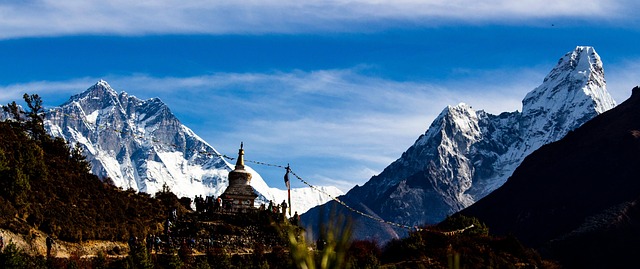
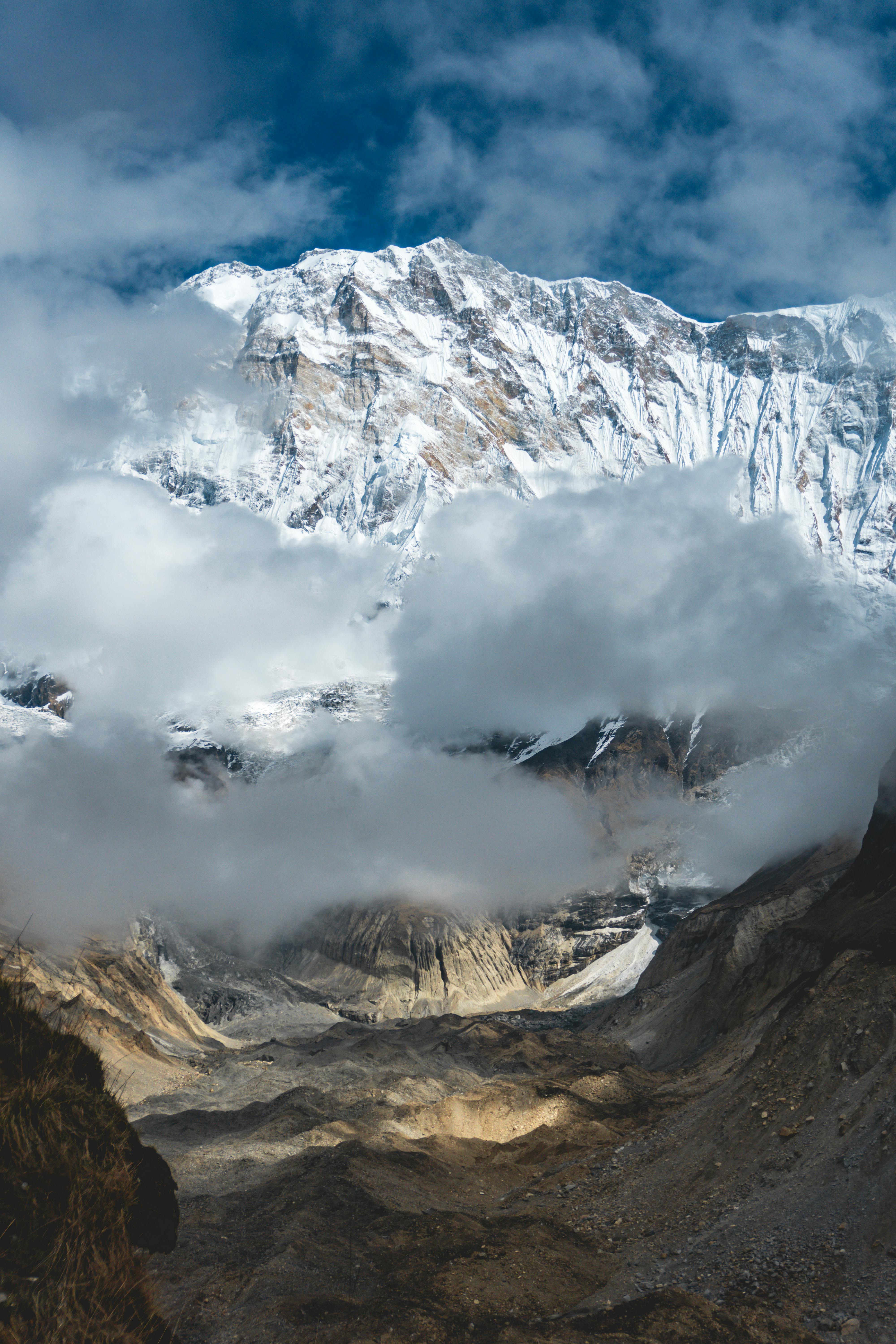
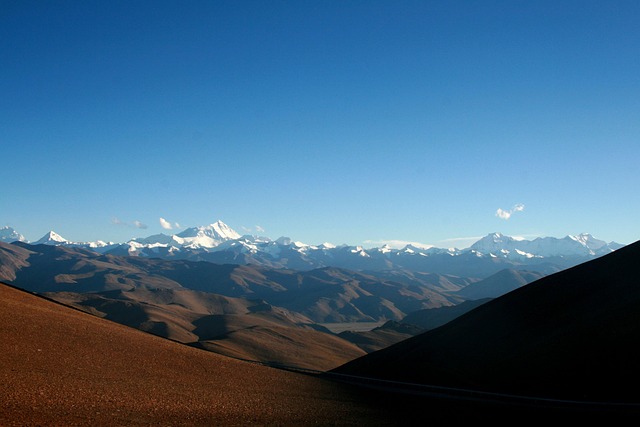
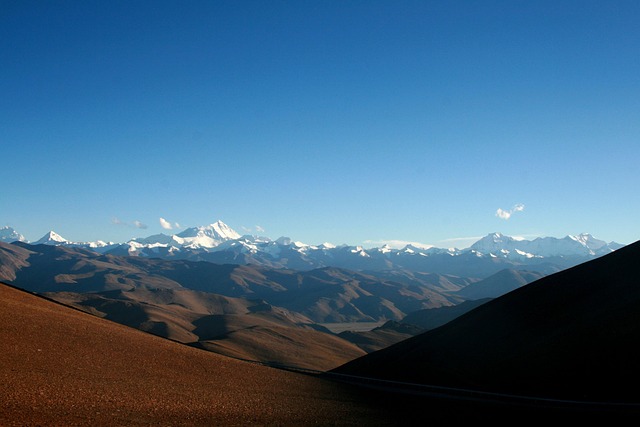
Rising majestically above the Himalayas, Mount Everest stands as the ultimate symbol of nature’s grandeur and human resilience. Known as the highest peak on Earth, this awe-inspiring mountain draws explorers, adventurers, and nature lovers from around the globe. Its towering presence not only signifies a remarkable geological marvel but also embodies the spirit of exploration, inspiring countless stories of daring climbs and breathtaking vistas. As part of the “Wonders of the World,” Everest offers an unparalleled experience that combines raw natural beauty with profound cultural significance. From snow-capped summits to the vibrant Sherpa communities that call the region home, Everest is a destination that promises both adventure and introspection.
In this article, you can expect an in-depth journey through the mountain’s most striking features, the unique ecosystems it sustains, and the cultural tapestry woven into its slopes. We will explore why Everest remains a top travel destination for those seeking to witness one of the planet’s most extraordinary natural wonders. Whether you’re an avid trekker or a curious traveler, Everest’s timeless allure continues to captivate the imagination of all who gaze upon its towering silhouette.
Get premium travel gear faster – free Amazon Prime trial!
Base Camp
Situated at an elevation of approximately 5,364 meters (17,598 feet), Everest Base Camp serves as the iconic starting point for climbers attempting to reach the summit of the world’s highest mountain. Located on the south side of Mount Everest in Nepal’s Sagarmatha National Park, this bustling hub is a testament to human perseverance and adventure. It is not only a vital logistical staging area for mountaineers but also a mesmerizing destination for trekkers and explorers eager to witness the grandeur of Everest up close.
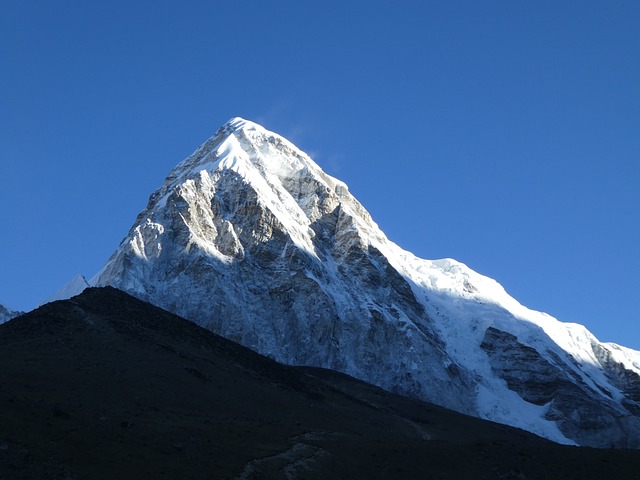
From the moment you arrive at Base Camp, you are immersed in a landscape that combines stark natural beauty with the palpable energy of mountaineering history. Tents, some of which serve as makeshift laboratories, kitchens, and sleeping quarters, dot the rocky terrain. These structures form a temporary village that swells during the climbing season, hosting Sherpas, climbers, and support staff. The camp offers breathtaking panoramic views of Everest’s towering summit, along with neighboring peaks like Nuptse, Lhotse, and Khumbuste.
Visiting Base Camp provides a rare opportunity to witness the preparation and resilience of those attempting to conquer Everest. For trekkers, it is a challenging but rewarding journey that typically takes around two weeks from Lukla, passing through vibrant Sherpa villages, lush forests, and high-altitude deserts. Practical information includes securing permits, hiring experienced guides, and preparing for altitude sickness. It’s essential to pack appropriately, considering the extreme weather conditions, which can range from freezing temperatures to intense sun exposure during the day.
Beyond its logistical significance, Base Camp is a symbol of human determination and the spirit of exploration. Standing amidst the rugged terrain, with Everest looming overhead, visitors gain a profound appreciation for the wonders of the natural world and the extraordinary efforts required to reach its highest point. Whether you are a seasoned mountaineer or a curious traveler, the experience of visiting Everest Base Camp remains a once-in-a-lifetime encounter with one of the world’s most awe-inspiring wonders.
Summit
The summit of Mount Everest, at an elevation of 8,848.86 meters (29,031.7 feet), represents the ultimate achievement for mountaineers worldwide. Reaching this point places climbers among the few who have gazed upon the Earth’s highest point, standing at the pinnacle of the world’s natural wonders. Located on the border between Nepal and Tibet, the summit offers a breathtaking, almost surreal, view of the surrounding Himalayas, clouded only by the thin, crisp air that defines the highest altitude on Earth.
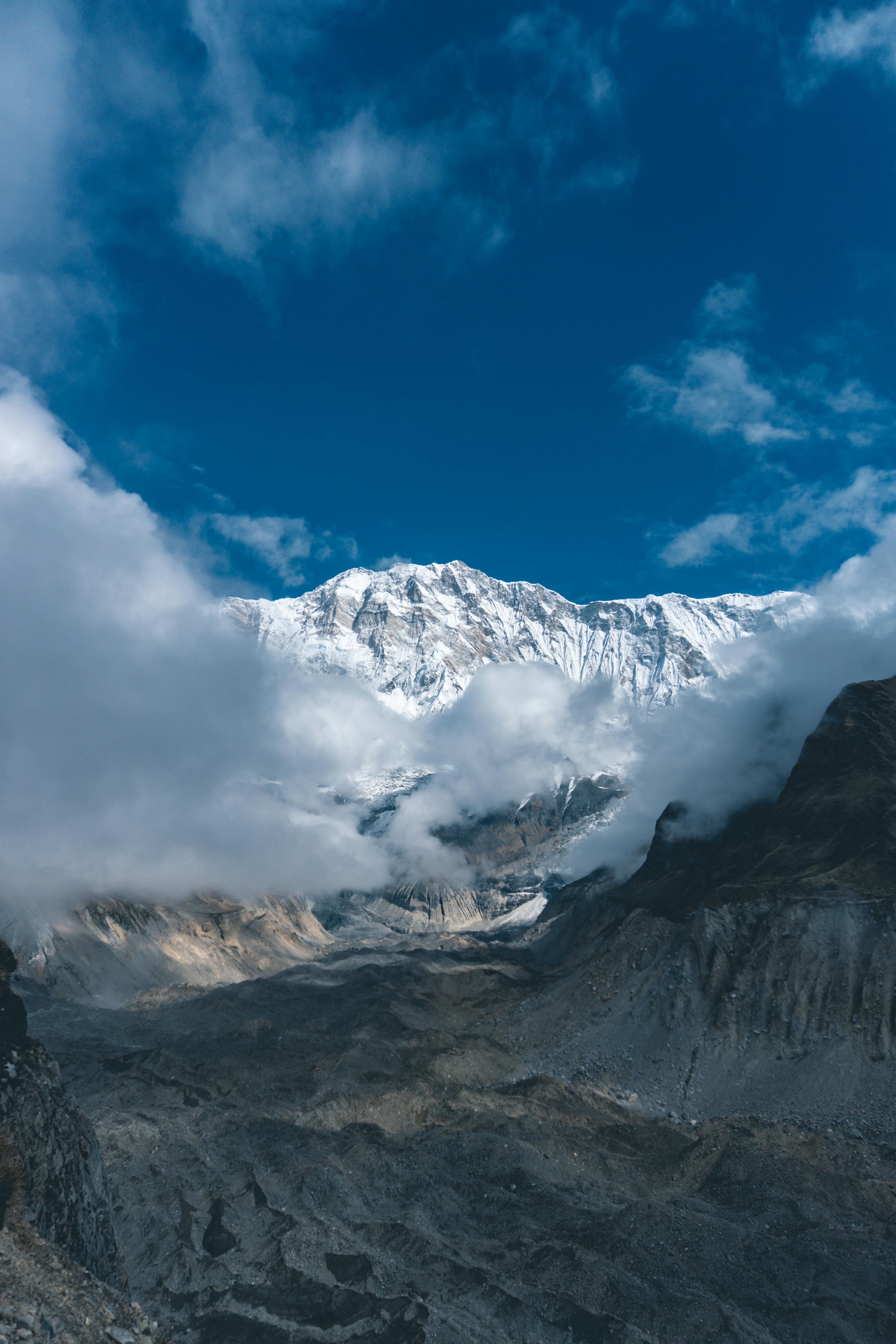
Many climbers describe their summit experience as a profound moment of achievement and reflection. The ascent involves navigating treacherous icy slopes, crevasses, and the infamous Khumbu Icefall, which demands technical skill and courage. The final approach often involves crossing the perilous South Col and the Hillary Step, a nearly vertical rock face just below the summit. The atmosphere at the top is incredibly thin, with oxygen levels significantly lower than at sea level, making every step a testament to human endurance.
Reaching the summit is not just about standing atop the highest point on Earth; it is a culmination of meticulous planning, physical conditioning, and mental resilience. Climbers often spend only a few minutes at the top due to the risk of altitude sickness and rapidly deteriorating weather conditions. Practical considerations include acclimatization schedules, carrying supplemental oxygen, and understanding the dangers posed by avalanches and severe weather.
From the summit, the panoramic views stretch across the Himalayas, revealing some of the world’s highest peaks in all directions. This awe-inspiring vista underscores why Everest is considered one of the ultimate wonders of the natural world. For those fortunate enough to reach this point, it is a moment of unparalleled achievement and a reminder of the incredible power of nature and human determination.
Khumbu Icefall
The Khumbu Icefall is one of the most daunting and visually stunning sections of the Everest climb, located just below Base Camp on the Nepal side. This massive glacier, stretching several hundred meters, acts as a natural barrier between climbers and the higher reaches of the mountain. Its ever-shifting, crevassed surface makes it both a marvel of natural beauty and a significant challenge for mountaineers attempting to traverse it.
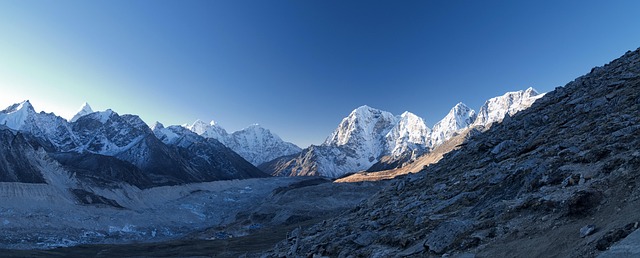
The Icefall is characterized by towering seracs, deep crevasses, and precariously hanging ice blocks that can collapse without warning. The route through the Icefall is carefully fixed with ladders, ropes, and ice screws, but it remains one of the most dangerous sections of the ascent. Sherpas, renowned for their skill and bravery, often lead the way, setting safety lines and clearing debris to facilitate passage for climbers.
Visiting or traversing the Khumbu Icefall provides a visceral experience of Everest’s raw power. The sound of cracking ice and the sight of massive ice formations shifting constantly serve as a reminder of nature’s unpredictability. For climbers, crossing the Icefall requires technical expertise, physical agility, and unwavering focus. It is often regarded as the most perilous part of the ascent, demanding respect and caution at every step.
Practical advice for visitors or climbers includes proper acclimatization, carrying appropriate gear, and working closely with experienced Sherpas. The Icefall’s unpredictable nature means that weather conditions can dramatically influence safety, with storms increasing the risk of avalanches and ice collapse. Despite its dangers, the Khumbu Icefall remains a symbol of Everest’s formidable beauty and a testament to human resilience in the face of nature’s most extreme challenges.
Best Time to Visit Mount Everest
Understanding the Weather Conditions
Mount Everest’s weather is a crucial factor when planning your visit. The mountain experiences extreme cold, high winds, and unpredictable weather patterns. Generally, the most favorable conditions occur during two main periods: pre-monsoon and post-monsoon seasons. During these times, the skies tend to be clearer, and the weather is relatively stable, making trekking and climbing safer and more enjoyable.
Peak Tourist Seasons
The prime times to visit Everest are during late April to early June and late September to October. These periods coincide with the pre-monsoon and post-monsoon seasons, respectively. During these months, the weather is ideal for trekking, with minimal snowfall and clearer visibility. Consequently, these months also attract the highest number of trekkers and climbers, creating a bustling, vibrant atmosphere around Everest Base Camp.
Off-Peak Benefits
Visiting during the off-peak months, such as late December to February and late June to August, offers distinct advantages. Fewer tourists mean a more serene experience, less crowded trails, and often lower costs for permits and accommodations. However, travelers should be prepared for colder temperatures, increased chances of snowfall, and potential weather disruptions. These months are best suited for experienced trekkers seeking solitude and a more authentic wilderness experience.
Summary of Pros and Cons
| Timing | Pros | Cons |
|---|---|---|
| Late April to early June, late September to October |
|
|
| December to February, June to August |
|
|
Ultimately, selecting the best time to visit Mount Everest depends on your priorities—whether you prefer ideal weather and lively activity or solitude and adventure. With careful planning, you can enjoy the wonders Everest offers in any season.
How to Get to Mount Everest: A Comprehensive Guide
Reaching Mount Everest, the tallest peak in the world and a true wonder of the natural world, involves careful planning and understanding of transportation options. Whether you’re an experienced climber or a curious traveler eager to witness the awe-inspiring summit, knowing how to navigate your journey is essential. The journey begins long before you arrive in the Himalayas, involving multiple modes of transportation that bring you closer to this majestic wonder.
Getting There by Air
The most common and practical way to start your journey to Mount Everest is by flying into Nepal. The primary international gateway is Tribhuvan International Airport (KTM) in Kathmandu. Several airlines operate flights from major hubs around the world, including Doha, Dubai, Bangkok, and Delhi. Once in Kathmandu, travelers typically arrange a domestic flight or overland travel to reach the Everest region.
Overland Travel Options
From Kathmandu, travelers have several overland options to approach Everest Base Camp or the starting points of trekking routes. The most popular methods include:
- Bus: Public and tourist buses run regularly from Kathmandu to towns like Namche Bazaar or Lukla, the gateway to Everest. The bus journey offers scenic views but can be lengthy, often taking 8-10 hours.
- Private Jeep or Vehicle: For more comfort and flexibility, hiring a private vehicle allows you to traverse rugged mountain roads at your own pace. This is especially useful for groups or those carrying heavy gear.
- Helicopter: For a faster, more luxurious experience, helicopter charters can transport you directly to Everest Base Camp or nearby airstrips. This option offers breathtaking aerial views of the Himalayas and saves significant time.
Travel Tips and Important Information
When planning your journey, consider the following tips:
- Book flights and transportation well in advance, especially during peak trekking seasons in spring and autumn.
- Altitude acclimatization is crucial; plan for rest days upon arrival at higher elevations.
- Ensure your travel documents, including visas and permits, are in order before departure.
- Travel insurance that covers high-altitude trekking and emergencies is highly recommended.
Getting Around Once There
Within the Everest region, most travel involves trekking or helicopter transfers. Local transportation options are limited due to rugged terrain, making walking the primary means to explore the wonders of this region. Always prepare for unpredictable weather and challenging trail conditions, and consider hiring experienced guides for safety and insights into this extraordinary natural wonder.
Rent a Bicycle
Best Places to Stay in Mount Everest: Accommodations for Every Budget
Embarking on a journey to witness the wonders of the world at Mount Everest is a once-in-a-lifetime experience. Choosing the right accommodation enhances this adventure, allowing you to immerse yourself fully in the majestic surroundings. Whether you seek luxury, comfort, or affordability, Nepal offers a diverse range of options tailored to every traveler’s needs.
Luxury Options: Indulge in Unparalleled Comfort
For those who wish to experience Mount Everest in style, several high-end accommodations provide exceptional service and breathtaking views. These establishments often feature modern amenities, exquisite cuisine, and personalized attention, making your stay as memorable as the mountain itself.
- Everest View Hotel
- Gokyo Lakes Lodge
This hotel is renowned for its panoramic vistas of Everest and the surrounding peaks. Located in Namche Bazaar, it offers luxurious rooms with large windows, plush furnishings, and a warm Himalayan ambiance. It’s perfect for travelers who want comfort without sacrificing proximity to iconic trekking routes.
Perched near the stunning Gokyo Lakes, this lodge combines luxury with natural beauty. It features modern amenities, gourmet dining options, and a cozy atmosphere. Guests can enjoy spectacular sunrise views over Everest, making it an ideal base for explorers seeking serenity and grandeur.
Mid-Range Options: Comfort with Authentic Charm
If you desire a balance between comfort and affordability, mid-range accommodations provide a warm, welcoming experience. These lodges and guesthouses often have charming decor, reliable amenities, and friendly staff, making your stay comfortable without breaking the bank.
- Yeti Mountain Home
- Everest View Lodge
Located in Namche Bazaar, this lodge offers cozy rooms with traditional Himalayan decor. Its central location makes it easy to explore nearby trails, and the on-site restaurant serves delicious local and international dishes.
This lodge provides comfortable rooms with mountain views, warm hospitality, and hearty meals. It’s an excellent choice for trekkers who want a homely atmosphere after a day of adventure.
Budget Options: Affordable Comfort for Adventurers
For budget travelers eager to witness the wonders of Mount Everest, Nepal’s guesthouses and hostels offer affordable yet authentic experiences. These accommodations emphasize local culture, simplicity, and community spirit.
- Everest Guesthouse
- Namche Backpackers Hostel
This guesthouse provides basic but clean rooms, friendly hosts, and communal dining. It’s an excellent choice for backpackers and solo travelers seeking an authentic Himalayan experience.
Offering dormitory-style accommodations, this hostel is perfect for budget-conscious explorers. Its lively atmosphere encourages socializing with fellow adventurers, enriching your Everest journey.
In summary, Mount Everest’s accommodations cater to all travelers, transforming your trek into a luxurious retreat, a cozy adventure, or an affordable exploration. Each option offers a unique way to connect with the wonders of the world, ensuring your stay is as unforgettable as the mountain itself.
Essential Travel Products for Visiting Mount Everest
1. High-Performance Insulated Hiking Boots
When venturing to Mount Everest, one of the most critical pieces of gear is a pair of high-performance insulated hiking boots. Designed specifically for extreme cold and rugged terrain, these boots provide essential warmth, support, and traction. Look for models with Gore-Tex lining to ensure waterproofing, while the insulation keeps your feet warm even in sub-zero temperatures. Features such as reinforced ankle support and slip-resistant soles are vital for navigating icy slopes and rocky paths safely.
Popular options like the Salomon Quest 4D 3 GTX or La Sportiva Nepal Cube GTX are highly recommended for their durability and comfort. These boots are available at outdoor gear retailers such as REI, Backcountry, or Amazon. Investing in quality footwear ensures you stay comfortable during high-altitude treks and reduces the risk of frostbite or injury, making them indispensable for Everest explorers.
2. Portable High-Altitude Water Purifier
Staying hydrated is crucial when trekking at high altitudes, especially on Everest expeditions where water sources can be contaminated. A portable high-altitude water purifier, such as the Grayl Ultralight Purifier or LifeStraw Mission, allows travelers to safely drink from natural sources like glacial streams and mountain springs. These devices are lightweight, easy to carry, and capable of removing bacteria, viruses, and protozoa, ensuring safe hydration without the need to carry large quantities of bottled water.
With features like rapid filtration times and durable construction, these purifiers are perfect for extended trekking periods. They are available at outdoor stores like REI or Amazon. Having a reliable water purifier not only enhances safety but also reduces environmental impact by minimizing plastic waste, which is especially important in pristine mountain environments.
See top-rated travel must-haves on Amazon
Guidebooks for Breathtaking Natural Wonders of Mount Everest
1. “Everest: The Mountaineering History” (Kindle Unlimited & Audible)
This comprehensive guide offers an in-depth look at the mountain’s history, from the first ascents to modern expeditions. It provides travelers with fascinating stories of climbers who have challenged the summit, along with detailed descriptions of the mountain’s geological features. Perfect for those interested in the wonders of the natural world, this book enhances understanding of Everest’s significance and prepares visitors for the awe-inspiring landscape they will encounter.
2. “The Everest Trek: A Journey Through the World’s Highest Mountain” (Kindle Unlimited & Audible)
This travelogue combines vivid storytelling with practical trekking advice. It guides readers through the famous routes, highlighting breathtaking vistas, cultural landmarks, and environmental challenges. For travelers seeking an immersive experience of Everest’s natural beauty, this book offers valuable insights into the terrain’s unique features and how to appreciate them responsibly. It helps visitors visualize their journey, enriching their adventure before they even set foot on the trail.
3. “Mount Everest: The Natural Wonder” (Kindle Unlimited & Audible)
This book explores the geological and ecological marvels of Everest, including its glacial formations, diverse flora and fauna, and climatic conditions. It emphasizes the wonders of the natural world that make Everest a true marvel of natural engineering. For travelers eager to deepen their appreciation of Everest’s environmental significance, this guide provides scientific context and stunning descriptions that enhance the awe experienced during the visit.
Whether you are a seasoned trekker or a curious traveler, these books serve as invaluable companions. They prepare you to appreciate Everest’s grandeur, understand its history, and respect its delicate ecosystem. Coupled with essential gear, these guidebooks ensure your journey to one of the world’s most breathtaking natural wonders is both enriching and memorable.
Make your travel downtime productive! Whether you’re waiting at the airport, on a train, or relaxing at a café, Audible lets you absorb travel books and language lessons anywhere. Try it free today!
Frequently Asked Questions About Breathtaking Natural Wonders Mount Everest
What is the best time of year to visit Mount Everest?
The optimal period to witness Mount Everest’s grandeur is during the pre-monsoon months of late April to early June and the post-monsoon months of September to November. During these times, weather conditions are relatively stable, with clear skies offering spectacular views and safer trekking conditions. Summer months, from June to August, bring heavy monsoon rains, which can cause dangerous landslides and poor visibility. Winter, from December to February, is extremely cold and often features heavy snowfall, making ascents or high-altitude treks more challenging and risky. Planning your visit during these windows ensures a memorable experience with favorable weather and manageable altitude challenges.
How physically demanding is a trek to Everest Base Camp?
While the trek to Everest Base Camp is accessible to many, it remains physically demanding due to high altitudes, unpredictable weather, and rugged terrain. Trekkers should prepare by engaging in cardiovascular exercises, strength training, and altitude acclimatization hikes beforehand. The trek covers approximately 130 kilometers round-trip, with daily hikes averaging 4 to 8 hours. Altitude sickness is a real concern, so proper acclimatization days are integrated into the itinerary. It’s essential to listen to your body, stay hydrated, and ascend gradually. With adequate preparation, most trekkers find the journey both rewarding and achievable, offering a profound connection to one of the world’s most awe-inspiring natural wonders.
What safety precautions should travelers take when visiting Everest?
Safety is paramount when exploring Everest’s surroundings. First, always trek with experienced guides and reputable agencies familiar with high-altitude conditions. Second, acclimatization days help prevent altitude sickness. Third, carry essential gear such as warm clothing, a first aid kit, and reliable communication devices. It’s also vital to stay hydrated, avoid alcohol, and eat nutritious food to maintain energy levels. Weather conditions can change rapidly, so be flexible with your plans. Lastly, listen to your body; if symptoms of altitude sickness appear, descend immediately. Being well-prepared and cautious ensures a safe, enjoyable experience amid the breathtaking natural environment.
Are there any cultural considerations when visiting the Everest region?
Yes, respecting local customs and traditions enhances your experience and shows appreciation for the Sherpa community and other local residents. The Everest region is home to rich Tibetan Buddhist culture, evident in monasteries, prayer flags, and spiritual practices. When visiting monasteries or sacred sites, maintain a respectful attitude, dress modestly, and ask permission before taking photos. It’s customary to remove shoes before entering religious spaces. Additionally, support local businesses by purchasing handmade crafts and local products. Engaging with the community respectfully enriches your journey and promotes sustainable tourism that benefits the region’s residents.
What should I pack for a trip to Mount Everest?
Packing appropriately is crucial for comfort and safety. Essential items include:
- Layered clothing: moisture-wicking base layers, insulating mid-layers, and waterproof outer layers
- Warm accessories: gloves, hats, and thermal socks
- Sturdy hiking boots with good ankle support
- High-quality sleeping bag suitable for cold temperatures
- Sun protection: sunglasses, sunscreen, and lip balm
- Personal medications and a basic first aid kit
- Hydration system and water purification tablets
- Headlamp or flashlight with extra batteries
Remember to pack light but include all essentials, especially for sudden weather changes. Proper gear ensures you stay warm, dry, and comfortable, allowing you to fully enjoy the breathtaking views of this natural wonder.
Experience the Wonders of the World at Everest
Mount Everest embodies the ultimate natural wonder, inspiring awe through its towering presence and rugged beauty. Whether you seek adventure, cultural immersion, or simply wish to witness one of the planet’s most extraordinary landscapes, Everest offers an unforgettable journey. Proper planning, respect for local traditions, and safety precautions will ensure your experience is both enriching and safe. Embark on this awe-inspiring adventure and discover why Everest remains a symbol of nature’s grandeur and human resilience.
Shop, book, save! Get cashback on holiday fashion, travel insurance, and even luggage. Sign up now and start saving!
Discover the Unparalleled Majesty of Mount Everest
In conclusion, Mount Everest stands as a testament to the awe-inspiring wonders of the natural world. Its towering peak, reaching 8,848.86 meters, captures the imagination of adventurers and explorers alike. The breathtaking landscapes surrounding Everest, from the icy Khumbu Glacier to the vibrant Sherpa culture, create a truly immersive experience for travelers seeking to connect with one of the Earth’s most extraordinary wonders. Additionally, the mountain’s significance extends beyond its height; it symbolizes human resilience, determination, and the relentless pursuit of exploration.
Whether you’re an avid mountaineer, a nature enthusiast, or a traveler craving unique cultural encounters, Everest offers something extraordinary. The journey to Everest Base Camp not only challenges physical limits but also provides a profound appreciation for the planet’s natural beauty. Its status as one of the world’s most iconic wonders makes it a must-visit destination for those eager to witness nature’s grandeur firsthand.
Now is the perfect time to plan your adventure. Dive deeper into the history, culture, and breathtaking scenery of Everest. Explore guided tours, learn about local traditions, and prepare for an unforgettable experience that will forever change how you view the natural world.
Embrace the Wonder
Mount Everest is more than just a mountain; it is a symbol of the wonders of the world. Its majestic presence continues to inspire countless explorers and travelers. By exploring Everest, you open yourself to a world of natural beauty, cultural richness, and personal achievement. Don’t just dream about this marvel—take the first step toward experiencing it firsthand. Your adventure awaits, and the mountain’s grandeur promises an unforgettable journey that will stay with you forever.