Discover the Enchanting Natural Wonders of Iceland
Breathtaking Natural Wonders Iceland
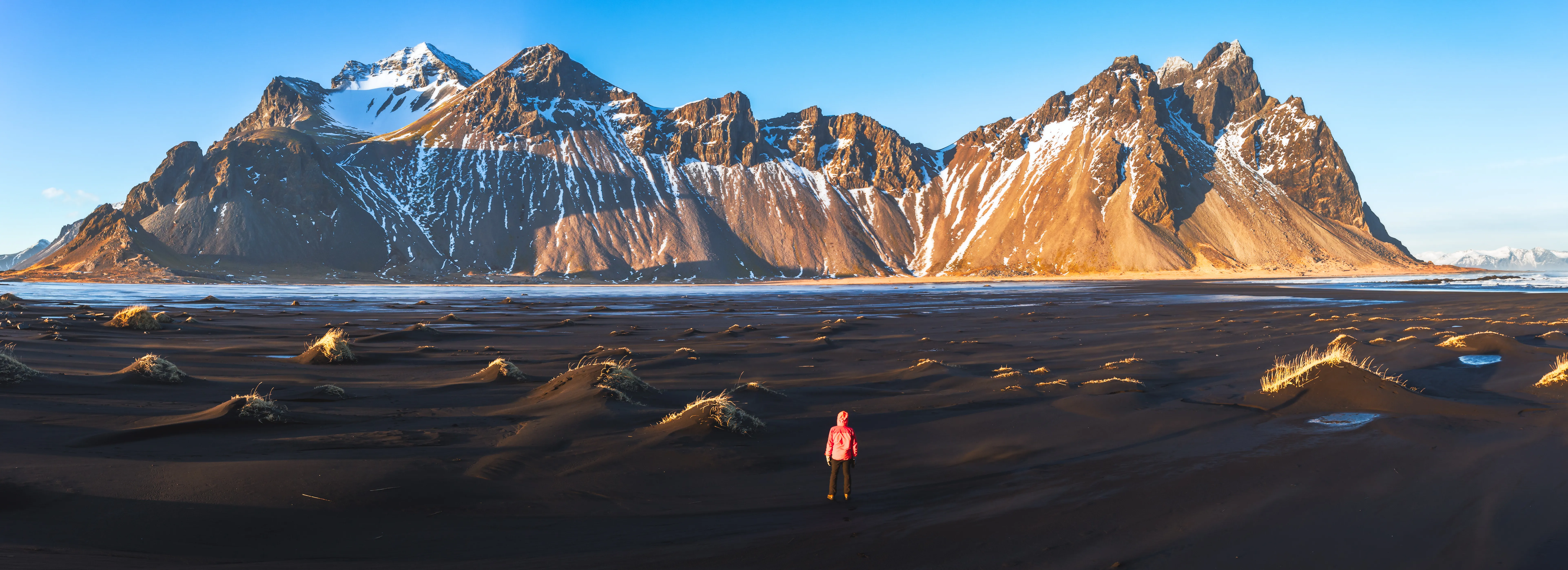
Imagine a land where fire and ice collide, creating a surreal landscape filled with awe-inspiring sights. Iceland, often called the “Land of Fire and Ice,” stands out as one of the world’s most extraordinary travel destinations. Its rugged terrain, shimmering glaciers, active volcanoes, and vibrant geothermal springs make it a living showcase of nature’s most spectacular phenomena. For travelers seeking to witness the wonders of the natural world, Iceland offers an unparalleled experience that combines raw power with delicate beauty. From cascading waterfalls to otherworldly volcanic landscapes, this island nation is truly a treasure trove of natural marvels waiting to be explored. Whether you’re an adventure seeker, a nature lover, or a curious explorer, Iceland promises unforgettable moments that will elevate your appreciation for the Earth’s most breathtaking creations.
In this article, you will discover what makes Iceland a unique wonder of the world. We will explore the diverse landscapes that define this extraordinary island, delve into the geological phenomena that shape its terrain, and highlight the experiences that make it a must-visit destination for travelers worldwide. Prepare to be captivated by the natural artistry of Iceland’s most iconic sights, and learn how this remarkable country continues to enchant visitors with its extraordinary beauty and timeless allure.
Use the free Prime trial right before trips to get last-minute gear and offline shows. Totally worth it.
Blue Lagoon
The Blue Lagoon is one of Iceland’s most iconic natural wonders, drawing visitors from around the world to experience its otherworldly beauty. Located in a stunning geothermal area in southwestern Iceland, near the town of Grindavík and just a short drive from Keflavík International Airport, this geothermal spa offers a unique blend of relaxation, healing, and breathtaking scenery. The lagoon’s mineral-rich waters are renowned for their skin-healing properties, making it not only a visual marvel but also a wellness sanctuary.

The main features of the Blue Lagoon include its striking azure waters, which contrast beautifully with the surrounding black lava fields. The lagoon covers approximately 2.5 square kilometers and maintains a consistent temperature of around 37-39°C (98-102°F) year-round, ensuring a warm and soothing experience regardless of the season. Visitors can indulge in various spa treatments, including silica mud masks, massages, and in-water bar service, all designed to enhance relaxation and skin health.
What makes the Blue Lagoon truly worth visiting is its surreal environment. The mineral-rich waters are teeming with silica, algae, and minerals that give the lagoon its signature milky blue hue and therapeutic qualities. The lagoon’s location within a lava field creates a dramatic landscape that feels almost lunar, offering perfect photo opportunities and a sense of escape from everyday life. The site is also equipped with modern amenities, including a luxurious hotel, restaurants, and a well-organized visitor center.
Practical information for visitors includes pre-booking entry tickets, which are highly recommended, especially during peak seasons. The lagoon is open year-round, and early morning or late evening visits can provide a more tranquil experience. Towels, robes, and swimwear are available for rent, and there are lockers for personal belongings. To maximize your visit, consider combining it with a tour of the surrounding geothermal areas or a visit to the nearby Reykjanes Peninsula, known for its volcanic landscapes and geothermal activity.
Gullfoss
Gullfoss, meaning “Golden Falls,” is one of Iceland’s most spectacular waterfalls and a highlight of the famed Golden Circle route. Located in the Hvítá river canyon in southwest Iceland, Gullfoss is renowned for its impressive two-tiered cascade that plunges approximately 32 meters (105 feet) into a rugged canyon below. This powerful waterfall exemplifies Iceland’s raw natural beauty and has become a symbol of the country’s untamed wilderness.

The main attraction of Gullfoss lies in its dramatic setting and the sheer force of its water. During summer, the waterfall is lively and full of spray, while in winter, it transforms into a frozen spectacle with icy formations creating a fairy-tale landscape. The falls are fed by the Hvítá river, which originates from the Langjökull glacier, adding to the scenic grandeur. Visitors can walk along well-maintained paths that offer multiple viewpoints, allowing for breathtaking photos and close-up views of the roaring waters.
Gullfoss is not only a visual marvel but also a vital part of Iceland’s hydroelectric power system, showcasing how natural beauty and sustainability can coexist. The site is easily accessible, with parking facilities and visitor centers providing information about the geology and history of the falls. It’s worth visiting early in the day or during the shoulder seasons to avoid crowds and experience the falls in a more intimate setting.
Practical tips include wearing sturdy footwear for walking on uneven terrain and dressing appropriately for weather conditions, which can change rapidly. The site is open year-round, and free access makes it an attractive stop for travelers exploring the Golden Circle. Combining Gullfoss with nearby attractions such as Geysir and Þingvellir National Park makes for a comprehensive Icelandic adventure, immersing visitors in the country’s geothermal and geological wonders.
Geysir
The Geysir geothermal area, located in the Haukadalur Valley in southwest Iceland, is one of the most famous geyser fields in the world. It is renowned for its impressive eruptions and as the origin of the word “geyser.” While the original Geysir itself erupts infrequently now, the nearby Strokkur geyser is highly active, erupting every 5 to 10 minutes and shooting boiling water up to 30 meters (98 feet) into the air. This dynamic display attracts countless visitors eager to witness nature’s raw power firsthand.

The main features of the Geysir geothermal area include bubbling hot springs, steaming vents, and vibrant mineral deposits that create a surreal landscape. The area’s geothermal activity is a testament to Iceland’s volcanic origins, and walking through the site offers a fascinating glimpse into the geothermal processes that shape the island. Strokkur’s frequent eruptions provide a reliable and exciting spectacle, making it a favorite stop for travelers on the Golden Circle route.
Visitors can explore well-maintained paths and viewing platforms that allow safe observation of the eruptions and geothermal features. The site also has informative displays explaining the science behind geysers and geothermal energy, highlighting Iceland’s innovative use of renewable resources. The surrounding landscape, characterized by moss-covered lava fields and steaming vents, enhances the otherworldly atmosphere of the area.
Practical tips for visitors include arriving early or later in the day to avoid crowds, wearing waterproof clothing, and keeping a safe distance from the eruptions. The Geysir area is open year-round, and facilities such as parking, restrooms, and a visitor center make the experience comfortable. Combining a visit here with Gullfoss and Þingvellir National Park provides a comprehensive insight into Iceland’s geothermal wonders and geological history, making it an essential stop for anyone exploring the wonders of this volcanic island.
Best Time to Visit Iceland
Understanding the Climate and Seasons
Iceland’s weather varies dramatically throughout the year, influencing the best time to explore its wonders. Summers, from June to August, offer milder temperatures averaging between 10°C and 15°C, with long daylight hours that extend up to 24 hours in some regions. Conversely, winter, from December to February, brings colder temperatures often below freezing, but it also unveils the mesmerizing Northern Lights and snow-covered landscapes. Spring (March to May) and autumn (September to November) are transitional periods, marked by unpredictable weather, but they reveal Iceland’s natural beauty in quieter, more intimate settings.
Peak Tourist Seasons and Their Drawbacks
The summer months are considered peak season, primarily because of the midnight sun and easier access to remote sites. However, popular attractions like the Golden Circle or Jökulsárlón Glacier Lagoon become crowded, and prices for accommodations and tours tend to rise. If you prefer a bustling atmosphere and lively festivals, summer is ideal. But, if you seek tranquility and unique photographic opportunities, the busy season might detract from your experience.
Off-Peak Benefits and When to Visit for Unique Experiences
Visiting during shoulder seasons—spring and autumn—can be highly rewarding. During these periods, you encounter fewer tourists, which means more intimate encounters with Iceland’s wonders of the world. The landscape transforms with blooming wildflowers in spring and vibrant fall foliage, creating stunning backdrops. Additionally, off-peak travel often results in lower prices and more flexible availability. Winter, while colder, offers the chance to witness the Northern Lights and explore icy glaciers, appealing to adventurous travelers seeking extraordinary sights.
Summary of Pros and Cons
| Time of Year | Pros | Cons |
|---|---|---|
| Summer (June – August) |
|
|
| Winter (December – February) |
|
|
| Spring & Autumn |
|
|
Choosing the right time to visit Iceland depends on your interests. Whether you want to witness the midnight sun, see the Northern Lights, or enjoy quieter, more affordable travel, understanding these factors helps you select the optimal season to explore this extraordinary destination.
Getting to Iceland: Your Gateway to the Wonders of the World
Embarking on a journey to Iceland opens the door to some of the most breathtaking natural wonders on Earth. Known for its volcanic landscapes, majestic waterfalls, and vibrant geothermal activity, Iceland is a destination that promises unforgettable experiences. To fully enjoy these marvels, understanding the best ways to reach this island nation is essential. Whether you’re arriving from Europe, North America, or elsewhere, multiple transportation options make accessing Iceland both convenient and exciting.
Flights: The Most Popular and Convenient Option
The most common way to reach Iceland is by air, with Keflavík International Airport (KEF) serving as the primary gateway. Several major airlines, including Icelandair, Delta, and British Airways, offer direct flights from major hubs across Europe and North America. Flights from cities like London, New York, and Toronto typically take around 5 to 7 hours, depending on the departure point. During peak seasons, airlines often add extra flights to accommodate the surge of travelers eager to explore Iceland’s wonders.
Traveling by Train and Bus
While Iceland’s rugged terrain limits extensive train travel, bus services provide a reliable alternative for exploring the country once you arrive. Bus routes connect major towns and popular tourist spots, offering a scenic and budget-friendly way to see the landscape. However, for those seeking more flexibility, renting a car might be preferable.
Car Rentals: Freedom to Explore Iceland’s Natural Wonders
Renting a car provides the ultimate freedom to discover Iceland’s hidden gems at your own pace. Major rental companies operate at Keflavík Airport and in Reykjavik, offering a variety of vehicles suited for different terrains. Before renting, ensure your driver’s license is valid internationally, and familiarize yourself with local driving laws. Traveling by car allows you to access remote locations like the Diamond Circle or the Westfjords, which are often unreachable by public transport.
Useful Travel Tips and Important Information
- Book flights well in advance during peak seasons, especially summer and the Northern Lights season.
- Consider purchasing travel insurance that covers weather-related delays, as Iceland’s weather can be unpredictable.
- Check visa requirements based on your nationality—many travelers can enter visa-free for short stays.
- Pack appropriate clothing for variable weather conditions, especially if you plan to explore outdoor wonders.
- Familiarize yourself with local driving laws and road conditions, particularly in winter months when roads may be icy.
By choosing the right transportation options and preparing accordingly, your journey to Iceland will be smooth and filled with anticipation for the awe-inspiring sights that await. From soaring into Keflavík Airport to driving through volcanic landscapes, every step brings you closer to experiencing the wonders of this extraordinary destination.
Rent a Bicycle
Best Places to Stay in Iceland: Accommodations for Every Budget
Known for its stunning natural wonders, Iceland offers a range of accommodations that allow travelers to immerse themselves in its otherworldly landscapes. Whether you seek the luxury of a five-star retreat, the comfort of mid-range hotels, or budget-friendly hostels, Iceland’s diverse options ensure a memorable stay. Here, we explore the top choices tailored to different budgets, each providing a unique gateway to experiencing the country’s extraordinary sights.
Luxury Options: Indulge in Iceland’s Finest
For travelers seeking unparalleled comfort and service, luxury accommodations in Iceland elevate the experience of exploring the country’s natural wonders. The Hotel Borg in Reykjavik exemplifies elegance with its Art Deco style and central location. It offers plush rooms, a sophisticated spa, and gourmet dining, perfect for unwinding after a day of sightseeing. Meanwhile, The Retreat at Blue Lagoon combines the magic of Iceland’s geothermal waters with upscale amenities. Guests enjoy private access to the famous Blue Lagoon, exclusive treatment rooms, and panoramic views of the surrounding lava fields. These options are ideal for those wishing to indulge while being close to Iceland’s iconic sites.
Mid-Range Hotels: Comfort with Convenience
Mid-range accommodations strike a balance between affordability and quality, making them perfect for travelers eager to explore Iceland’s wonders without overspending. The Fosshotel Reykjavik offers modern rooms, a central location, and excellent amenities such as a wellness center and on-site restaurant. For a unique experience, consider staying at Icelandair Hotel Reykjavik Marina, which boasts stylish decor inspired by Iceland’s maritime history. These hotels provide comfortable stays, easy access to major attractions, and a welcoming atmosphere that enhances your Icelandic adventure.
Budget Options: Explore Without Breaking the Bank
For budget-conscious travelers, Iceland offers hostels and guesthouses that provide a cozy base for exploring the country’s wonders. Kex Hostel in Reykjavik is a popular choice, featuring vibrant communal spaces, dormitory beds, and private rooms. Its lively atmosphere fosters social interactions with fellow travelers, making it an ideal spot for solo explorers or backpackers. Alternatively, Guesthouse Sunna provides simple, clean rooms at an affordable rate, with a friendly vibe and close proximity to city sights. These options ensure that even the most budget-minded travelers can enjoy Iceland’s awe-inspiring landscapes without compromising comfort.
| Budget Level | Recommended Accommodation | Highlights |
|---|---|---|
| Luxury | Hotel Borg | Elegant Art Deco, central location, spa services |
| Mid-Range | Fosshotel Reykjavik | Modern amenities, convenient location |
| Budget | Kex Hostel | Vibrant social scene, affordable dorms and private rooms |
Ultimately, choosing your accommodation in Iceland depends on how close you want to be to the country’s natural marvels and your personal comfort preferences. Each of these options provides a unique vantage point to witness Iceland’s wonders, from shimmering glaciers to volcanic landscapes that seem to belong to another world.
Essential Travel Products for Exploring the Wonders of Iceland
1. Iceland Waterproof Hiking Boots
When venturing into Iceland’s breathtaking landscapes, a sturdy pair of waterproof hiking boots is indispensable. Brands like Salomon X Ultra 3 Mid GTX or Merrell Moab 2 Waterproof provide excellent ankle support, traction, and waterproofing, ensuring your feet stay dry even when crossing icy streams or walking through muddy terrains. These boots are designed with breathable membranes that prevent moisture buildup, keeping your feet comfortable during long hikes. Whether you’re exploring the volcanic terrains of the Reykjanes Peninsula or trekking through Þingvellir National Park, reliable footwear enhances safety and comfort. You can purchase these boots at outdoor retailers such as REI or Amazon, ensuring quick delivery and a wide selection tailored to Iceland’s diverse terrain.
2. Compact 4-Season Travel Sleeping Bag
For travelers planning to explore Iceland’s remote regions or enjoy the unique experience of camping under the Northern Lights, a high-quality 4-season sleeping bag is vital. Look for models like the Marmot Tundra or The North Face Inferno, which are designed to withstand sub-zero temperatures. These sleeping bags feature thermal insulation, water-resistant shells, and compact packing sizes, making them ideal for Iceland’s unpredictable weather. They provide warmth during chilly nights in mountain cabins or wilderness camping, ensuring restful sleep after days filled with wonder. Available at outdoor stores and online platforms such as Backcountry or REI, these sleeping bags are essential for safely experiencing Iceland’s natural marvels up close.
Shop trusted travel essentials via Amazon
Guidebooks for Discovering Breathtaking Natural Wonders in Iceland
1. “Iceland: The Ultimate Guide to the Land of Fire and Ice” (Kindle Unlimited, Audible)
This comprehensive guide offers detailed insights into Iceland’s most iconic natural wonders, from the majestic waterfalls of Seljalandsfoss to the otherworldly landscapes of Vatnajökull Glacier. It provides practical advice on the best times to visit, hidden gems, and local customs. The book’s vivid descriptions help travelers visualize Iceland’s dramatic scenery, inspiring adventures off the beaten path. Its Kindle Unlimited availability makes it a cost-effective resource, while the Audible version allows for easy listening during long drives or outdoor excursions, enriching your journey with engaging narration.
2. “Breathtaking Iceland: A Photographic Journey” (Kindle Unlimited, Audible)
This visually stunning book combines breathtaking photography with insightful commentary on Iceland’s natural marvels. It guides travelers through the country’s most awe-inspiring sites, including the geysers of Haukadalur and the black sand beaches of Vik. The narrative emphasizes the wonder of Iceland’s diverse ecosystems and geological formations, helping visitors appreciate the significance of each location. Available on Kindle Unlimited and Audible, it’s perfect for those who prefer to immerse themselves in the country’s beauty through vivid images and compelling storytelling, whether at home or on the road.
3. “Iceland’s Natural Wonders: A Traveler’s Guide” (Kindle Unlimited, Audible)
This practical guide offers detailed itineraries that focus solely on Iceland’s natural attractions. It includes maps, tips for avoiding crowds, and suggestions for capturing the perfect photographs of glaciers, waterfalls, and volcanic craters. The book’s emphasis on sustainable tourism encourages visitors to respect and preserve Iceland’s fragile environment. Its availability on Kindle Unlimited and Audible makes it accessible for travelers who want a flexible, informative companion to their adventures, ensuring they don’t miss any of Iceland’s awe-inspiring wonders.
By combining the right travel gear with insightful guides, visitors can truly unlock the marvels of Iceland’s natural world. Whether exploring volcanic landscapes or chasing the Northern Lights, these resources help make your journey unforgettable.
Why carry bulky books when you can listen? With Audible’s free trial, you get access to travel memoirs, destination guides, and expert walking tours. Whether you’re exploring a new city or learning about its history, let Audible be your travel companion!
Frequently Asked Questions About Breathtaking Natural Wonders Iceland
What are the must-see natural wonders in Iceland?
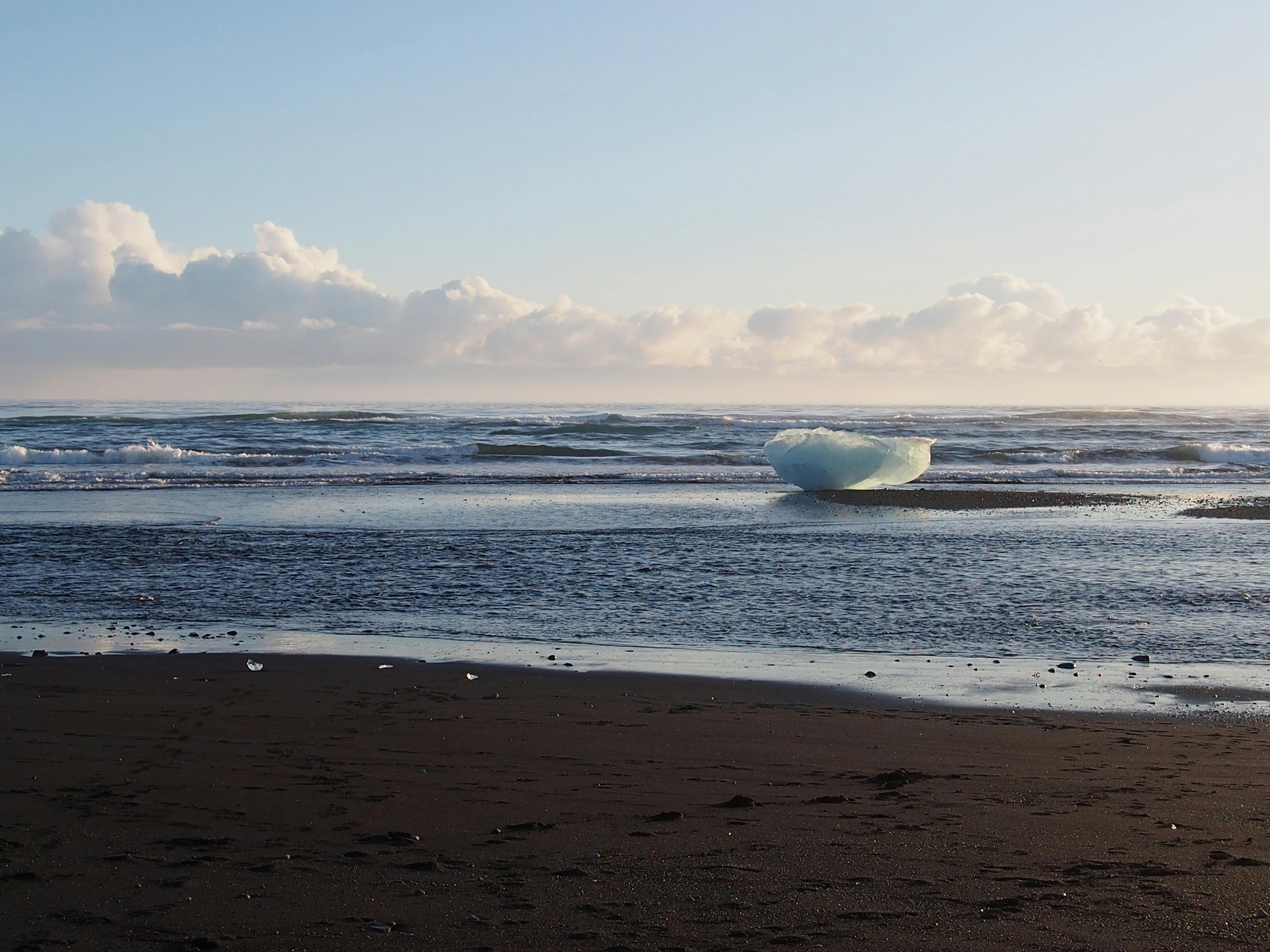
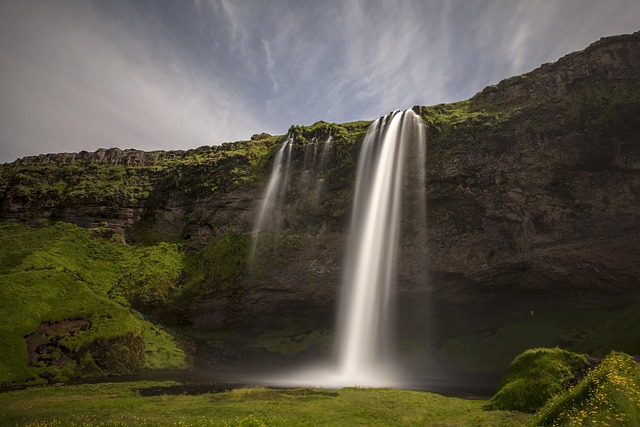
Iceland is renowned for its diverse and dramatic landscapes. Key attractions include the iconic Gullfoss Waterfall, the geothermal area of Geysir, and the majestic Jökulsárlón Glacier Lagoon. Don’t miss the otherworldly Seljalandsfoss and Skógafoss waterfalls, which offer stunning photo opportunities. For a unique experience, explore the Diamond Beach, where icebergs wash ashore, creating a surreal scene. These sites exemplify Iceland’s status as a true wonder of the natural world, showcasing glaciers, volcanoes, waterfalls, and geothermal activity all in one destination.
When is the best time to visit Iceland to see these wonders?
The ideal time depends on your interests. For the midnight sun and accessible highland routes, visit during the summer months from June to August. This period offers longer daylight hours, perfect for sightseeing and outdoor activities. Conversely, if you want to witness the mesmerizing Northern Lights and enjoy fewer crowds, plan your trip between September and March. Keep in mind that winter conditions can be challenging, but they also enhance the chance to see icy landscapes and auroras. Always check local weather forecasts and road conditions before traveling during winter.
Are guided tours necessary to explore Iceland’s natural wonders?
While self-driving allows flexibility, many travelers find guided tours invaluable, especially for remote or challenging sites. Expert guides provide insights into Iceland’s geology, history, and folklore, enriching your experience. Additionally, tours often include transportation, which is practical given the sometimes unpredictable weather and road conditions. For those interested in unique activities like glacier hiking or ice caving, guided excursions are essential for safety and expertise. Whether you choose a small-group tour or a private guide, professional assistance ensures a more comprehensive and secure exploration.
What should I pack for visiting Iceland’s natural wonders?
Given Iceland’s variable weather, packing appropriately is crucial. Essential items include:
- Layered clothing: thermal underwear, fleece, waterproof jacket, and windproof outer layers
- Sturdy, waterproof hiking boots for uneven terrains
- Warm accessories: gloves, hat, and scarf
- Camera with extra batteries and memory cards for capturing scenic vistas
- Swimsuit for relaxing in geothermal pools
- Reusable water bottle, as tap water is pure and safe to drink
Preparing for sudden weather changes ensures comfort and safety during your adventures in Iceland’s unpredictable environment.
Is it safe to visit Iceland’s natural wonders?
Yes, Iceland is generally safe for travelers. However, visitors should respect nature’s power and adhere to safety guidelines. Always stay on designated paths, especially around waterfalls, glaciers, and geothermal areas, to avoid accidents. Be cautious of changing weather conditions, and check local advisories before venturing into remote areas. If you plan activities like glacier hiking or ice caving, ensure your guides are certified and experienced. With proper precautions, exploring Iceland’s natural wonders is a safe and awe-inspiring experience that leaves lasting memories.
What unique perspectives make Iceland’s wonders stand out?
Iceland’s natural attractions are truly extraordinary because they showcase the planet’s raw power and delicate beauty simultaneously. The interplay of glaciers, volcanoes, and geothermal activity creates landscapes that seem almost surreal. Moreover, Iceland’s commitment to preserving its environment ensures these wonders remain pristine for future generations. Experiencing these landscapes offers a profound connection to Earth’s natural history, making Iceland a must-visit for those seeking to witness the wonders of the world firsthand.
Click here & start earning cashback on travel & shopping!
Discover the Unmatched Wonders of Iceland
Exploring Iceland’s breathtaking natural marvels reveals why this island is considered a true wonder of the world. From majestic glaciers and volcanic landscapes to stunning waterfalls and geothermal springs, Iceland offers a diverse and captivating natural tapestry. The mesmerizing Northern Lights, black sand beaches, and the surreal Jökulsárlón glacier lagoon are just a few of the highlights that make Iceland stand out among global destinations.
What makes Iceland truly exceptional is its ability to showcase both the raw power and delicate beauty of nature. Visiting these wonders allows travelers to connect deeply with Earth’s extraordinary forces, fostering awe and respect. Whether you seek adventure, serenity, or discovery, Iceland’s landscapes promise unforgettable experiences that will leave a lasting impression. Planning your trip now ensures you can immerse yourself in this natural wonderland and witness firsthand the awe-inspiring phenomena that have fascinated explorers for generations. Don’t just dream about Iceland—make it your next destination and let its extraordinary beauty redefine your understanding of the natural world.